
Bible Location

Crete

Also known as: Crete - Greek island
A Visit With Jesus

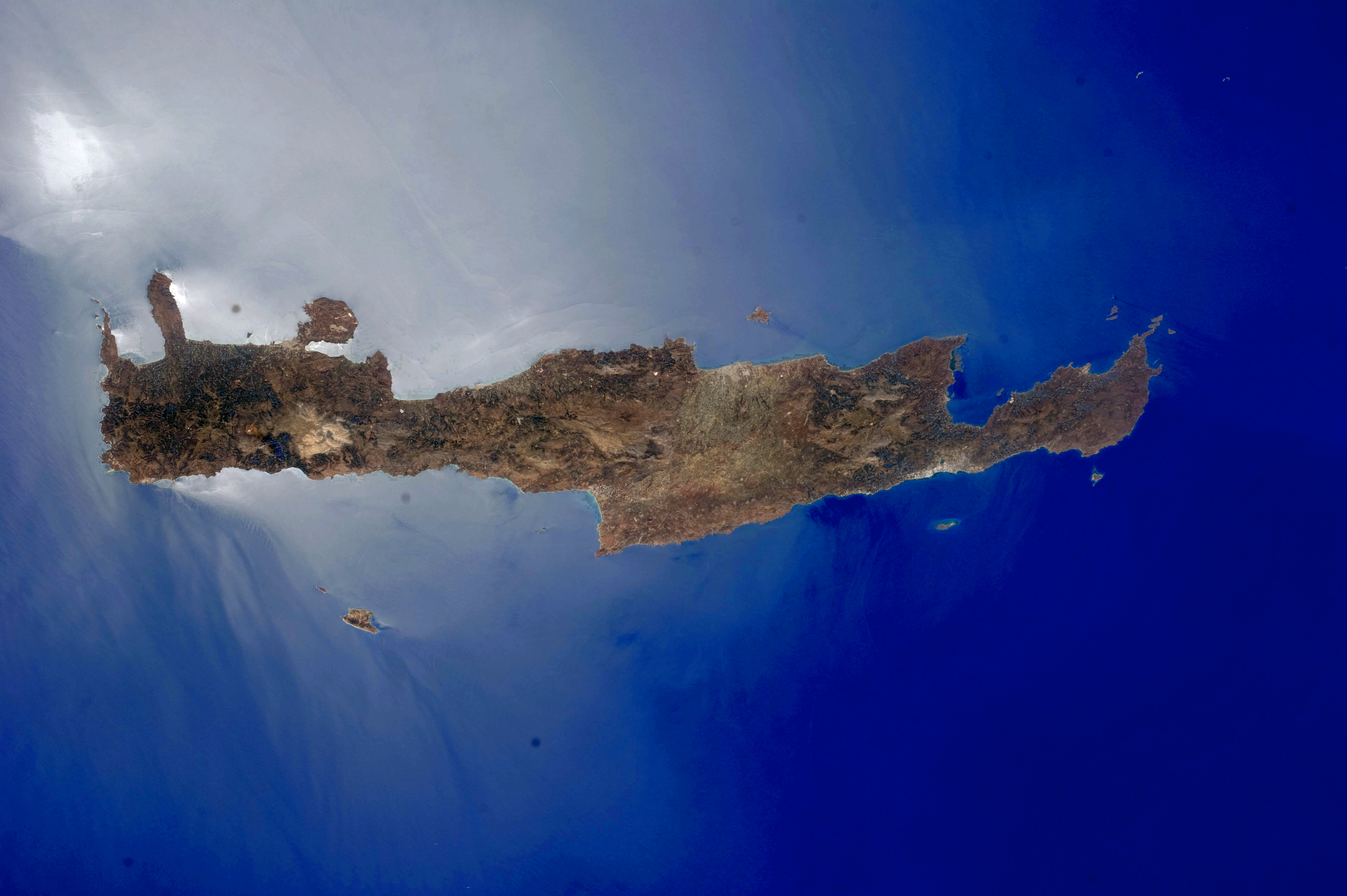
Crete is a large island in the eastern Mediterranean south of mainland Greece. It possessed an ancient and influential civilization and remained strategically important through Greek, Hellenistic, Roman, and Byzantine periods.

The New Testament mentions Cretans among those present at Pentecost and describes Paul sailing along the coast of Crete during his voyage to Rome. The letter to Titus indicates that Christian communities had become established on the island.

Titus 1:5 states that Paul left Titus in Crete to put remaining matters in order and appoint elders in the towns.

Crete

Biblical Significance

Acts 2:11 includes visitors from Crete among those in Jerusalem at Pentecost who heard the apostles declaring the mighty works of God in their own languages.

Crete figures prominently in Acts 27 during Paul's voyage as a prisoner to Rome. The ship sailed with difficulty along the island's southern coast and reached a harbor called Fair Havens near the city of Lasea. Against Paul's warning, the voyage continued and the ship was subsequently caught in a violent storm.

Titus 1:5 indicates an established Christian presence on Crete. Paul had left Titus there to organize the churches and appoint elders in every town.

Historical Background

Crete was home to the Bronze Age Minoan civilization, one of the earliest complex civilizations of the Aegean world. In later centuries Greek-speaking communities occupied the island, which contained numerous independent cities.

Rome conquered Crete in the first century BC and eventually administered it together with Cyrenaica. During the New Testament period maritime traffic between the eastern Mediterranean, Greece, Egypt, and Italy frequently passed near the island.

Crete's long coastline and mountain ranges strongly influenced travel. The difficult sailing conditions described in Acts 27 fit the hazards of ancient Mediterranean navigation late in the sailing season.

Modern Identification

Biblical Crete is unquestionably the modern Greek island of Crete. There is no uncertainty concerning the regional identification.

Several individual locations named in Acts 27, including Fair Havens and Lasea, have also been associated with sites along the island's southern coast, although the precision of individual identifications varies.

Scripture References

Related Resources

Sources

Bible: Acts 2:11, Acts 27:7-21, Titus 1:5-14; historical studies of Roman Crete; archaeological and geographical research concerning the southern Cretan ports mentioned in Acts 27