
Bible Location

Chorazin

A Visit With Jesus

Chorazin was a Galilean town near Capernaum and the Sea of Galilee. The Gospels do not describe individual miracles performed there, but Jesus states that Chorazin had witnessed many of His mighty works.

Matthew 11:21 and Luke 10:13 record Jesus pronouncing a woe upon Chorazin and neighboring Bethsaida because the people had not responded to these works with repentance.

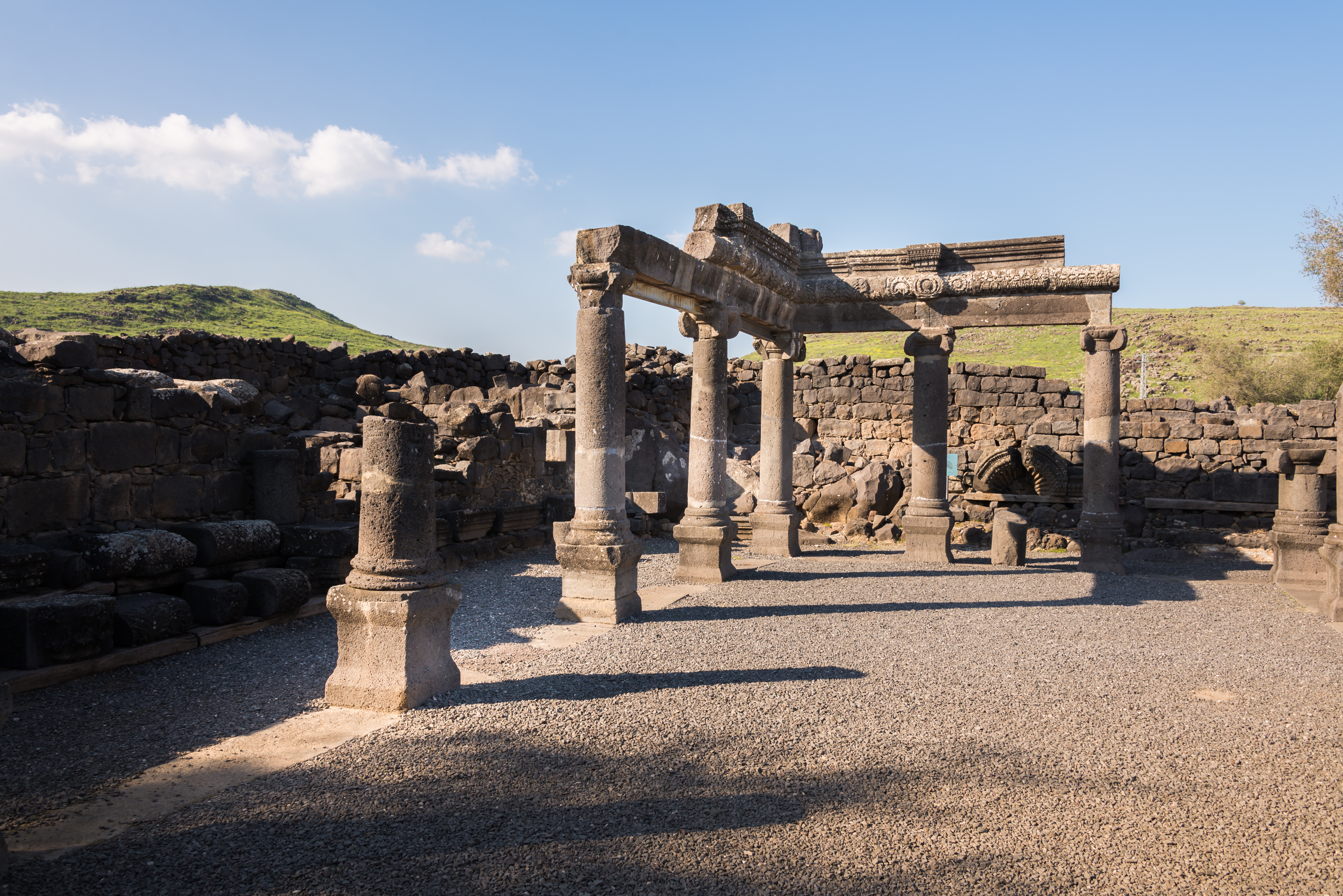
The town is generally identified with the ruins of Khirbet Kerazeh, also called Korazim, on the basalt hills north of the Sea of Galilee.

Chorazin

Biblical Significance

Chorazin is mentioned explicitly only in Matthew 11:21 and Luke 10:13. In both passages Jesus pairs it with Bethsaida and declares that if the mighty works performed in these Galilean towns had occurred in Tyre and Sidon, those pagan cities would have repented.

The statement indicates that Jesus conducted more ministry in Chorazin than the surviving Gospel narratives individually describe. The town therefore provides an important reminder that the Gospels record selected events rather than every act of Jesus' ministry.

Chorazin also illustrates the biblical theme that receiving greater revelation brings greater responsibility. Its inhabitants had witnessed extraordinary evidence yet failed to respond appropriately.

Historical Background

Chorazin stood in the Galilean region north of Capernaum. Archaeological remains at Khirbet Kerazeh demonstrate settlement in antiquity, although many of the prominent ruins visible today belong to centuries after the ministry of Jesus.

The site is especially known for a synagogue constructed from the dark basalt characteristic of the region. Among its finds is a carved stone seat bearing an Aramaic inscription, often discussed in connection with the type of synagogue seat referred to as "Moses' seat."

Later Jewish sources remember Chorazin as an agricultural community noted particularly for its wheat.

Modern Identification

Chorazin is generally identified with Khirbet Kerazeh, or Korazim, several miles north of Capernaum. The preservation of the name and the geographical relationship to Capernaum and the Sea of Galilee strongly support the identification.

The impressive synagogue remains at the site date later than the New Testament period and should not be presented as the building in which Jesus personally taught. They nevertheless demonstrate the continuing Jewish community that occupied Chorazin in later antiquity.

Scripture References

Related Resources

Sources

Bible: Matthew 11:21-24, Luke 10:13-16; Encyclopedia of the Bible: Chorazin; archaeological studies of Khirbet Kerazeh/Korazim and its synagogue