
Bible Location

Cappadocia

Also known as: Cappadocia Region in Asia Minor
A Visit With Jesus

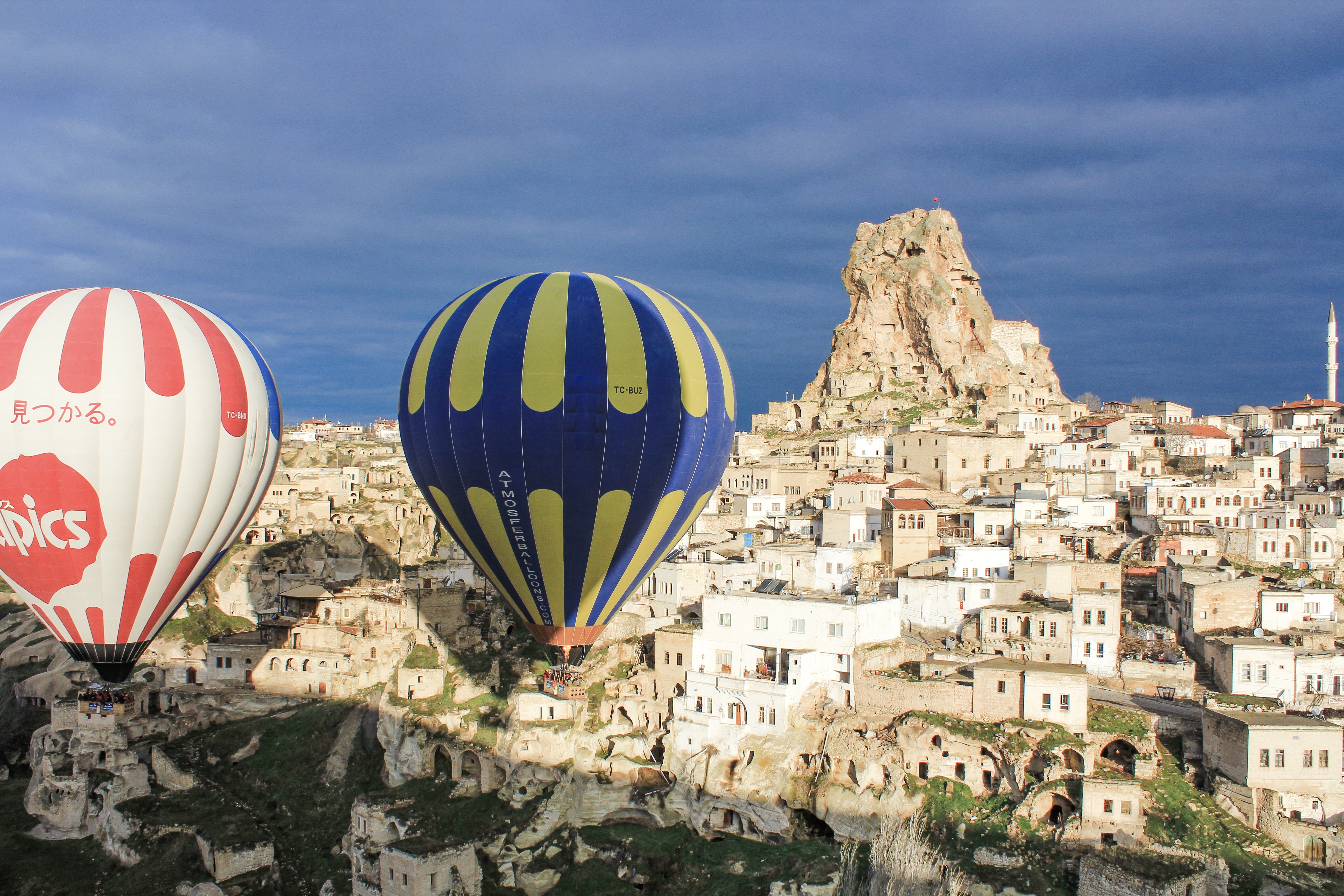
Cappadocia was a large inland region of central and eastern Asia Minor, corresponding to part of modern Turkey. Its landscape included high plateaus, mountains, valleys, and distinctive volcanic formations.

Acts 2:9 names people from Cappadocia among those present in Jerusalem at Pentecost who heard the apostles speaking in their own languages. First Peter 1:1 later addresses believers scattered through several regions of Asia Minor, including Cappadocia.

The region subsequently became an important center of Christianity and played a major role in the history of the early church.

Cappadocia

Biblical Significance

Cappadocia first appears in the New Testament in Acts 2:9. Jews or Jewish converts from Cappadocia were among the international gathering in Jerusalem at Pentecost and witnessed the outpouring of the Holy Spirit and Peter's proclamation concerning Jesus.

Its second explicit New Testament appearance is in 1 Peter 1:1, where Christians in Pontus, Galatia, Cappadocia, Asia, and Bithynia are included among the recipients of the letter.

These references demonstrate that Jewish communities and, subsequently, Christian congregations were present within the interior regions of Asia Minor during the first century.

Historical Background

Cappadocia occupied the high interior plateau of Anatolia. It had earlier been incorporated into the Persian Empire and subsequently developed as a Hellenistic kingdom before coming increasingly under Roman influence.

In AD 17 Cappadocia became a Roman province. Its location near the eastern frontier gave it strategic importance in Roman relations with Armenia and Parthia.

Christianity became deeply established in Cappadocia in subsequent centuries. The region is particularly associated with the fourth-century Cappadocian Fathers Basil of Caesarea, Gregory of Nazianzus, and Gregory of Nyssa.

Modern Identification

Ancient Cappadocia corresponds broadly to a region of central Turkey rather than to a single modern administrative unit. The historical region included territory surrounding cities such as Caesarea, modern Kayseri.

The popular modern tourist designation "Cappadocia" often refers more narrowly to the volcanic landscape around Nevsehir, Goreme, and nearby valleys. Biblical and Roman Cappadocia was geographically more extensive than this modern tourist region.

Scripture References

Related Resources

Sources

Bible: Acts 2:9, 1 Peter 1:1; Roman geographical and administrative sources concerning Cappadocia; historical studies of Roman Asia Minor and early Christianity in Cappadocia