
Bible Location

Capernaum

A Visit With Jesus

Capernaum was a fishing community on the northwestern shore of the Sea of Galilee and became one of the principal centers of Jesus' Galilean ministry. Matthew 4:13 describes Jesus leaving Nazareth and making His home at Capernaum.

The Gospels record Jesus teaching in its synagogue, healing numerous people there, calling disciples in the surrounding region, and using Capernaum as a base while traveling throughout Galilee.

The ancient town is securely identified with the ruins at Kfar Nahum. Excavations have uncovered residential structures, a monumental later synagogue, and a house that developed into an early Christian place of worship and has traditionally been associated with Peter.

Capernaum

Biblical Significance

Capernaum appears repeatedly in all four Gospels. Matthew 4:13 describes Jesus settling there after leaving Nazareth. Mark 1 records Jesus teaching in the synagogue, casting out an unclean spirit, and healing Simon Peter's mother-in-law and many other people.

Other events associated with Capernaum include the healing of the paralytic, the healing of a centurion's servant, teaching concerning the bread of life in John 6, and several encounters with disciples and opponents.

Despite witnessing many miracles, the city did not respond with the repentance appropriate to what it had seen. Matthew 11:23-24 records Jesus warning Capernaum that its privileges brought corresponding accountability.

Historical Background

Capernaum developed along the Sea of Galilee in a region supported by fishing, agriculture, and traffic moving around the lake and through Galilee. The Gospel accounts reflect this environment through fishermen, boats, tax collection, and frequent travel between lakeside communities.

Archaeological excavations have revealed basalt houses arranged around courtyards. One residential complex received unusual treatment beginning in the early Christian period and was eventually incorporated into a Byzantine octagonal church. Christian tradition identified this location with the house of Peter.

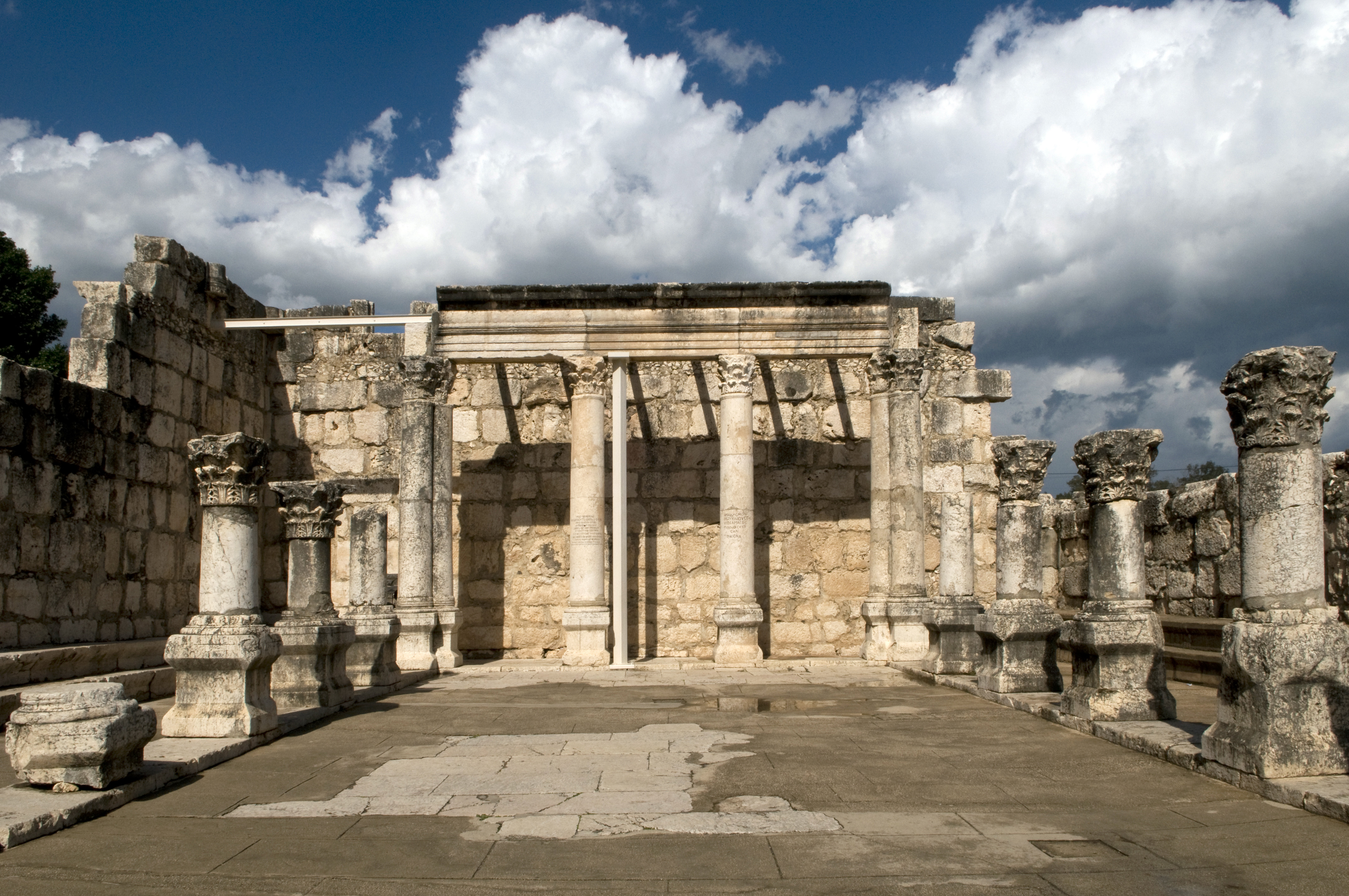
A large limestone synagogue also survives at Capernaum. The visible structure dates later than Jesus' lifetime, although earlier remains beneath it have contributed to discussion of the first-century synagogue mentioned in the Gospels.

Modern Identification

Biblical Capernaum is securely identified with Kfar Nahum on the northwestern shore of the Sea of Galilee. The site's location, ancient remains, name, and early literary testimony strongly support the identification.

The archaeological identification of the town itself is not seriously disputed. Greater caution is appropriate concerning individual structures. The house traditionally identified with Peter has evidence of very early Christian veneration, but archaeology cannot prove the identity of its first-century owner.

Similarly, the prominent white limestone synagogue visible today belongs to a later period, although earlier remains at the location may relate to the synagogue community of the New Testament period.

Scripture References

Related Resources

Sources

Bible: Matthew 4:13, Matthew 8-11, Mark 1-2, Luke 4, John 6:24-59; archaeological excavations of Capernaum by Virgilio Corbo and Stanislao Loffreda; Biblical Archaeology Society: The House of Peter; historical studies of ancient Capernaum