
Bible Location

Canaan

Also known as: Canaan Region on the Eastern shore of the Mediterranean
A Visit With Jesus

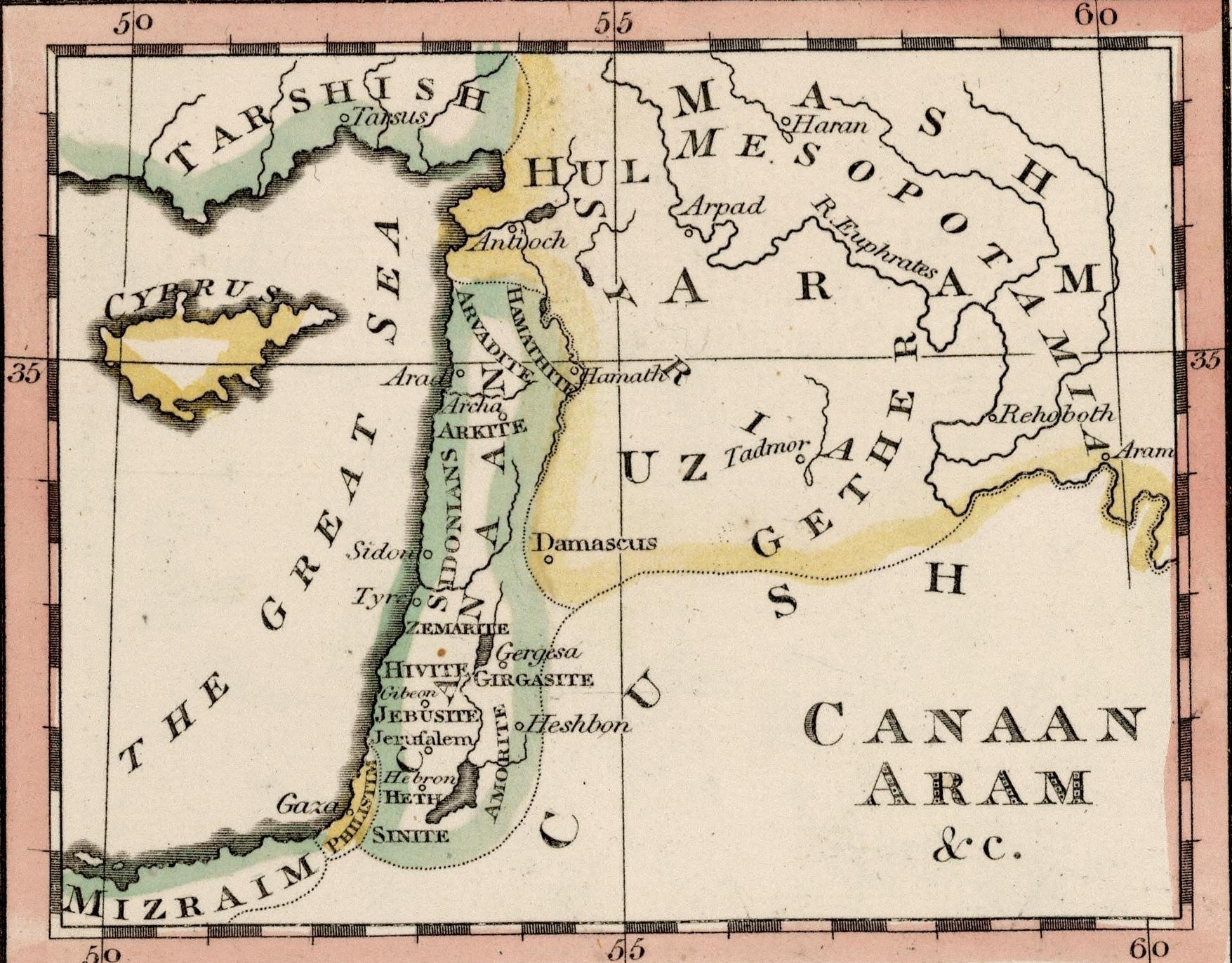
Canaan was the ancient region along the eastern Mediterranean that forms the principal geographical setting of much of the Old Testament. Its extent varied according to period and context, but broadly included the land later occupied by Israel and neighboring Canaanite peoples.

Genesis introduces Canaan both as a person, the son of Ham, and as the land inhabited by his descendants. Abraham entered Canaan in response to God's call, and the promises concerning this land became central to the biblical accounts of Abraham, Isaac, Jacob, and their descendants.

By the time of Joshua, Canaan contained numerous cities and local kingdoms rather than a single unified Canaanite state. The biblical conquest and settlement narratives describe Israel entering and occupying portions of this land.

Canaan

Biblical Significance

Canaan is fundamental to the biblical story of God's covenant with Abraham. Genesis 12 records Abraham entering the land after God promised to show him a land and make of him a great nation. Genesis 13:12 describes Abraham dwelling in Canaan, and subsequent passages repeatedly connect the land with God's promises to the patriarchs.

After Israel's deliverance from Egypt, the journey through the wilderness was directed toward Canaan. Numbers 13 describes the spies being sent to explore the land, and the books of Joshua and Judges recount Israel's entrance, conquest, settlement, and continuing interaction with its Canaanite inhabitants.

Canaan therefore functions in Scripture not merely as a geographical term but as the land connected with covenant promise, inheritance, obedience, judgment, and Israel's developing national history.

Historical Background

Canaan was part of the larger ancient Near Eastern world linking Egypt, Syria, Anatolia, and Mesopotamia. During the Bronze Age it contained numerous city-states whose rulers frequently competed with one another while at times acknowledging the authority of larger regional powers, especially Egypt.

Egyptian texts and the Amarna correspondence provide important evidence for the political world of Late Bronze Age Canaan. Cities such as Hazor, Megiddo, Lachish, Jerusalem, and Gezer participated in networks of diplomacy, warfare, trade, and tribute.

The inhabitants of Canaan shared related West Semitic languages and cultural traditions but were not politically unified. During the transition into the Iron Age, new political and ethnic identities emerged in the region, including Israel, Judah, Philistia, Phoenicia, Ammon, Moab, and Edom.

Modern Identification

Canaan was a historical region rather than a single city, and its boundaries changed through time. In broad terms it included much of modern Israel, the Palestinian territories, Lebanon, and portions of Jordan and Syria.

Ancient texts do not always use the term with identical geographical limits. AVWJ should therefore represent Canaan as a broad eastern Mediterranean region rather than imply a single permanent political boundary.

Scripture References

Related Resources

Sources

Bible: Genesis 9:18-27, Genesis 12-13, Genesis 15, Numbers 13-14, Joshua 1-12; Amarna Letters; Egyptian New Kingdom texts concerning Canaan; archaeological and historical studies of Bronze and Iron Age Canaan