
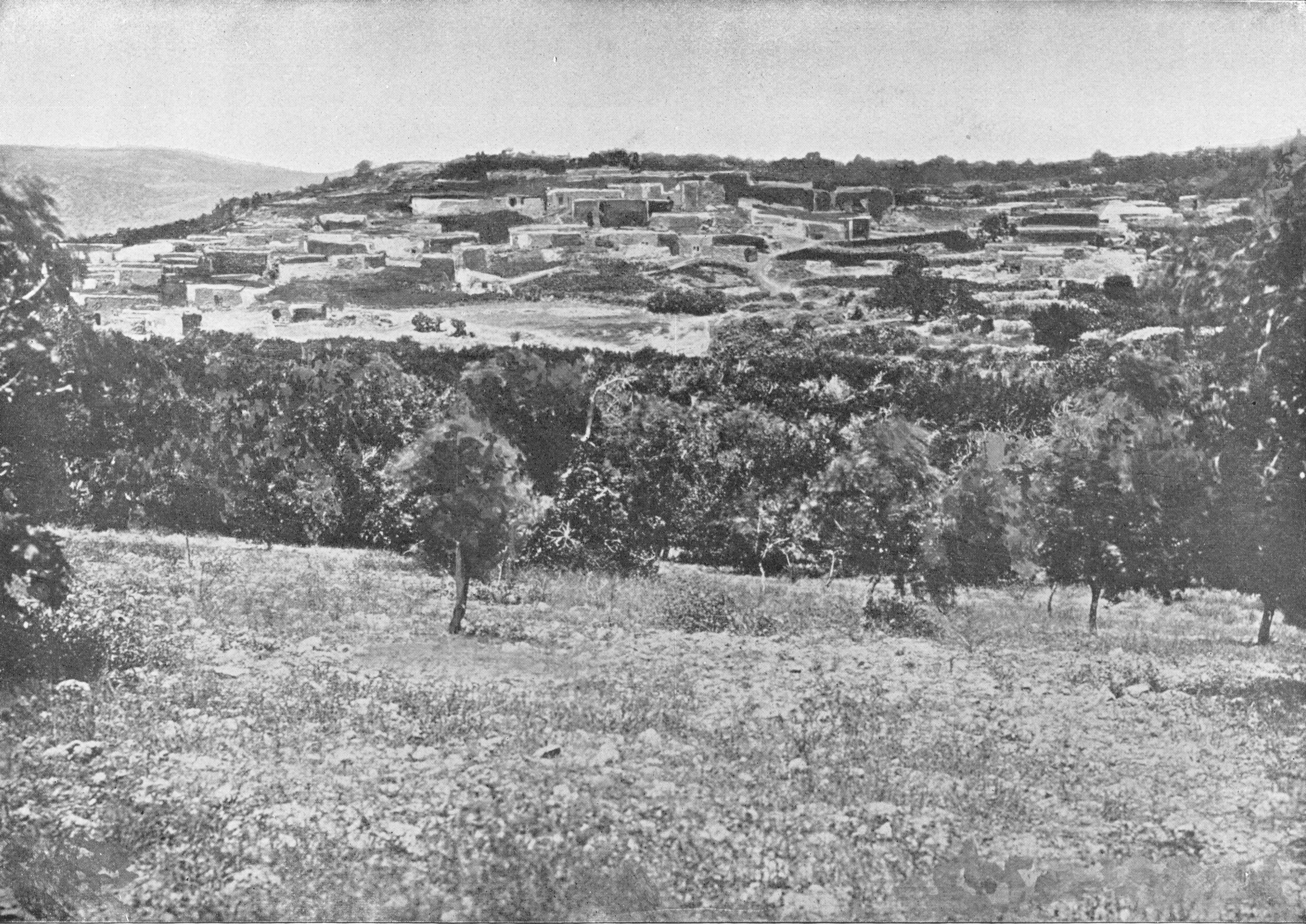
Bible Location

Cana

Also known as: Cana Galilee
A Visit With Jesus

Cana was a village in Galilee remembered principally as the setting of Jesus' first recorded sign in the Gospel of John. At a wedding feast there, Jesus turned water into wine, and John 2:11 states that through this sign He revealed His glory and His disciples believed in Him.

Cana appears again when Jesus healed the son of a royal official and in John 21:2 as the hometown of Nathanael.

The precise location of biblical Cana is debated. Kafr Kanna and Khirbet Qana are the two best-known candidates, with other locations having also been proposed.

Cana

Biblical Significance

John 2:1-11 places Jesus, His mother, and His disciples at a wedding in Cana of Galilee. When the wine ran out, Jesus instructed servants to fill six stone water jars. The water became wine, which John identifies as the first of Jesus' signs.

Jesus later returned to Cana in John 4:46-54. While there, a royal official from Capernaum asked Him to heal his son. Jesus declared that the son would live, and the healing occurred at the same hour.

John 21:2 also identifies Nathanael as being from Cana in Galilee. The village is therefore associated both with Jesus' early signs and with one of His disciples.

Historical Background

The Gospel of John identifies the village specifically as Cana of Galilee, but no surviving first-century inscription has yet settled its exact location.

Kafr Kanna, northeast of Nazareth, developed a strong Christian tradition identifying it as Cana and has long been an important pilgrimage destination. Khirbet Qana, farther northwest, has also attracted significant archaeological attention.

Excavations at Khirbet Qana have revealed a Jewish village occupied during the Hellenistic and Roman periods as well as evidence of later Christian veneration. These discoveries have strengthened the argument for Khirbet Qana without eliminating competing proposals.

Modern Identification

The identification of Cana remains disputed. Kafr Kanna is the best-known traditional site and has been associated with the wedding miracle in Christian pilgrimage tradition for centuries.

Khirbet Qana is an important archaeological alternative. Its ancient name, Roman-period Jewish settlement remains, geographical position, and evidence of later Christian commemoration have led a number of researchers to regard it as a strong candidate.

AVWJ should therefore distinguish the traditional identification at Kafr Kanna from the archaeological case for Khirbet Qana rather than presenting either location as conclusively established.

Scripture References

Related Resources

Sources

Bible: John 2:1-11, John 4:46-54, John 21:2; archaeological research concerning Khirbet Qana; historical Christian traditions concerning Kafr Kanna; geographical studies of Cana of Galilee