
Bible Location

Bethlehem

A Visit With Jesus

Bethlehem was an ancient town in the hill country of Judah approximately six miles south of Jerusalem. Also associated in Scripture with Ephrath or Ephrathah, it became one of the most important locations in biblical history.

Rachel died and was buried near Bethlehem, and the town later became the setting of the book of Ruth and the home of David's family. Micah 5:2 identifies Bethlehem Ephrathah as the place from which a future ruler of Israel would come.

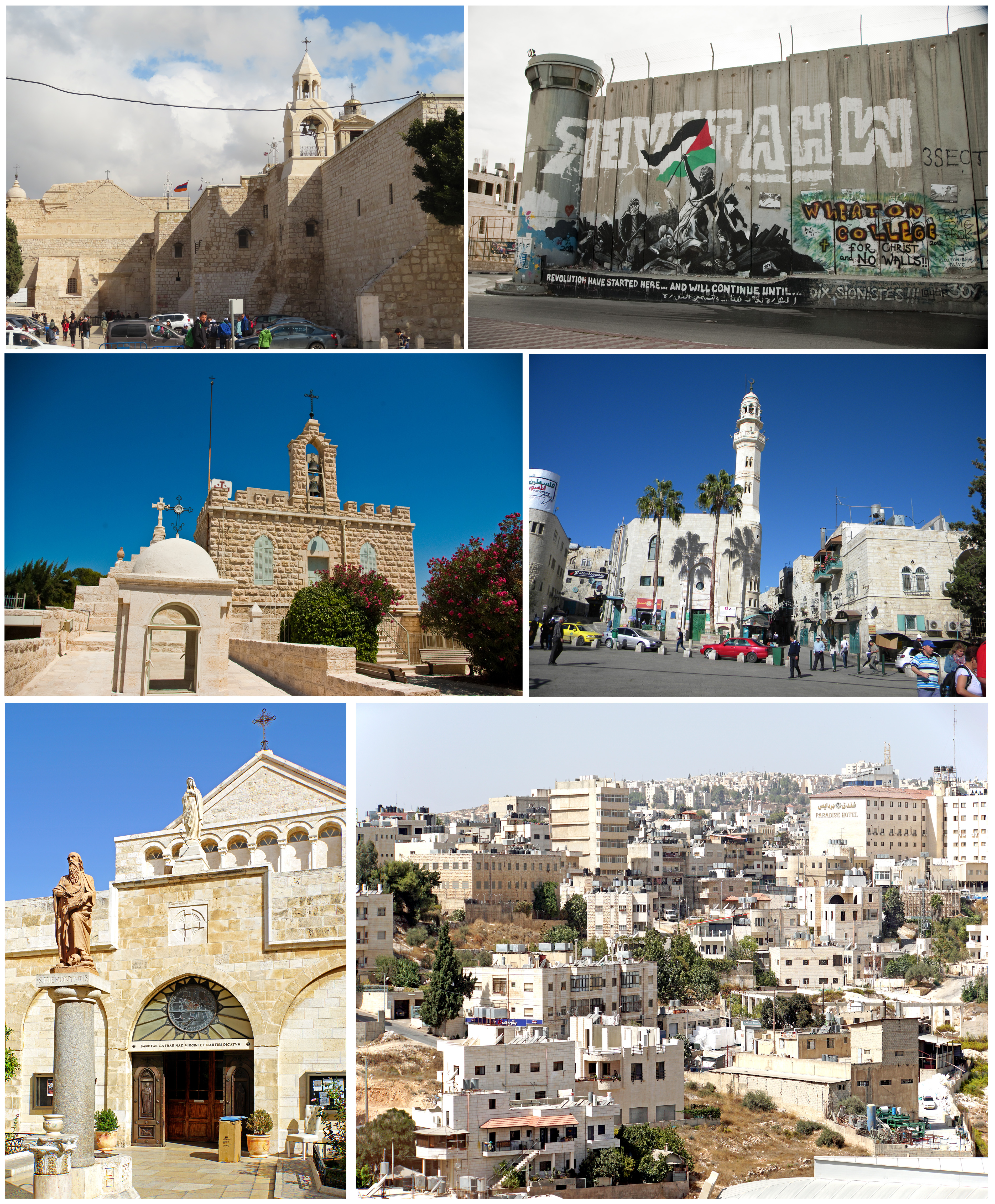
In the New Testament, Bethlehem is identified as the birthplace of Jesus. The ancient town has continued as a populated community into the modern period and is today the Palestinian city of Bethlehem.

Bethlehem

Biblical Significance

Bethlehem is associated with several major biblical narratives. Genesis 35:19 and Genesis 48:7 connect the area with the death and burial of Rachel. The book of Ruth centers on Bethlehem, where Naomi returned with Ruth and where Ruth met Boaz. Their descendants included David.

David was born and raised in Bethlehem, and 1 Samuel 16 describes Samuel coming there to anoint him. The city consequently became known as the City of David.

Micah 5:2 foretells that a ruler of Israel would come from Bethlehem Ephrathah. Matthew 2 and Luke 2 identify Jesus' birth at Bethlehem, explicitly connecting His birthplace with David and, in Matthew, with Micah's prophecy.

Historical Background

Bethlehem occupied the Judean hill country near the principal ridge route south of Jerusalem. Its surrounding agricultural land supported grain cultivation, vineyards, olive trees, and livestock, all of which fit naturally with the setting of Ruth and other biblical narratives.

The town's association with David gave it lasting importance in Jewish and Christian memory. Early Christians identified a location in Bethlehem as the place of Jesus' birth, and Constantine and his mother Helena sponsored the construction of a church there in the fourth century AD.

The present Church of the Nativity incorporates later rebuilding but preserves this ancient Christian tradition. Bethlehem has remained inhabited through Byzantine, Islamic, Crusader, Ottoman, and modern periods.

Modern Identification

The identification of biblical Bethlehem with the modern city of Bethlehem south of Jerusalem is secure. The location and name have demonstrated strong continuity through antiquity and later history.

The traditional site of Jesus' birth lies beneath the Church of the Nativity. The Christian tradition identifying this location is very ancient, but archaeology cannot independently demonstrate that the particular grotto is the exact place where Jesus was born.

The city itself, however, is unquestionably the Bethlehem of Judea referred to in the biblical and ancient historical sources.

Scripture References

Related Resources

Sources

Bible: Genesis 35:19, Genesis 48:7, Ruth 1-4, 1 Samuel 16, Micah 5:2, Matthew 2:1-6, Luke 2:1-20; UNESCO World Heritage Centre: Birthplace of Jesus, Church of the Nativity and the Pilgrimage Route, Bethlehem; historical and archaeological studies of Bethlehem