
Bible Location

Bethel

A Visit With Jesus

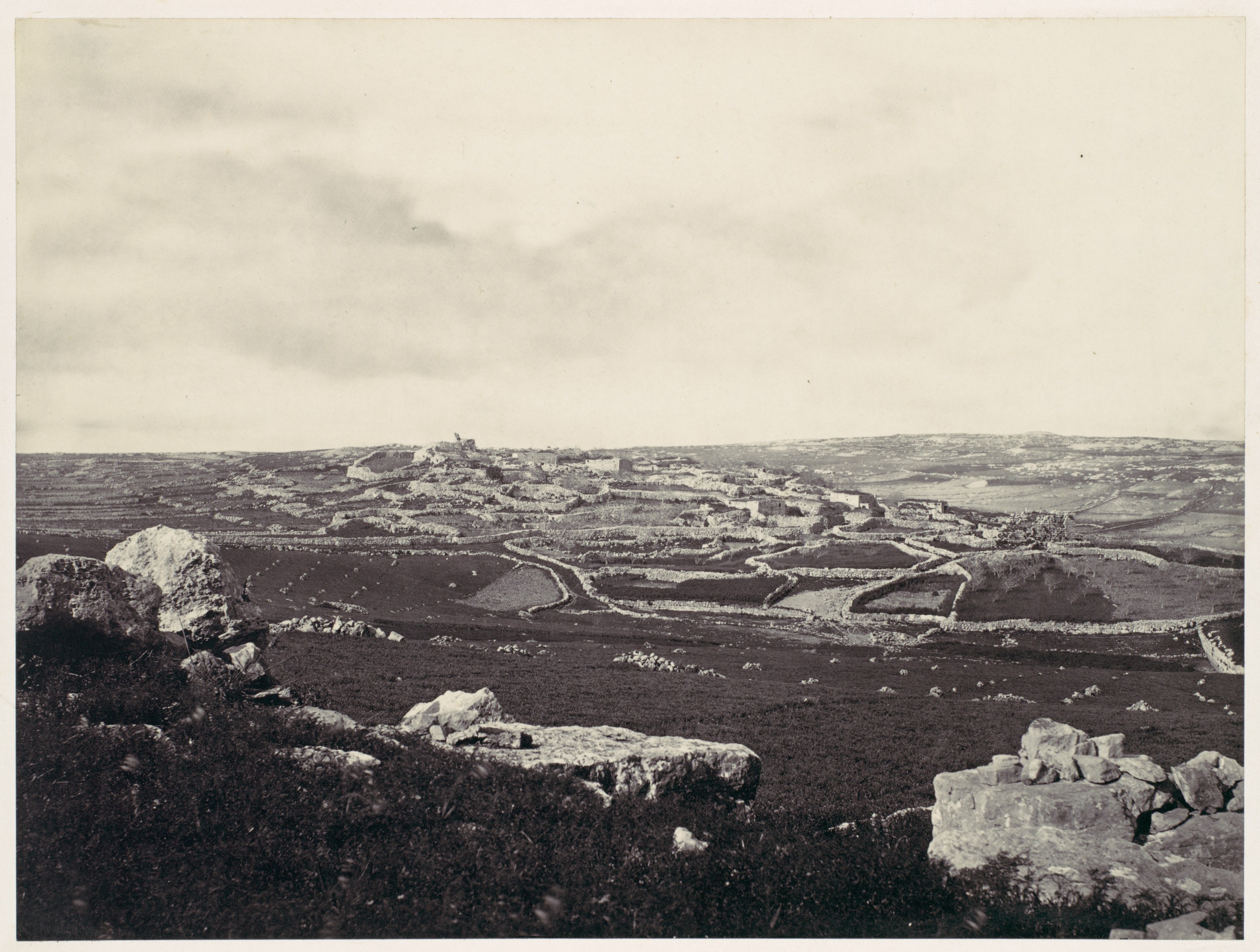
Bethel was one of the most important biblical towns in the central hill country of Canaan. Originally known as Luz, it became closely associated with the patriarch Jacob, who named the place Bethel, meaning "house of God," after his vision of the stairway reaching toward heaven.

Abraham had earlier camped near Bethel and built an altar in the region. During the period of the judges and Samuel, Bethel remained an important Israelite center. After the division of the monarchy, Jeroboam I established a royal sanctuary there for the northern kingdom of Israel.

Most scholars identify ancient Bethel with modern Beitin north of Jerusalem, although an alternative identification at el-Bireh has been proposed.

Bethel

Biblical Significance

Bethel appears repeatedly throughout the Old Testament. Abraham built an altar east of Bethel in Genesis 12:8 and returned to the area in Genesis 13:3-4. The place became especially important in Genesis 28, when Jacob dreamed of a stairway between earth and heaven and received God's covenant promises. Jacob named the place Bethel and later returned there to build an altar.

During the conquest and settlement periods, Bethel stood near the border of Benjamin and Ephraim. Samuel later included Bethel in his circuit as judge in 1 Samuel 7:16.

After the kingdom divided, Jeroboam I established a calf shrine at Bethel. The prophets subsequently condemned the worship practiced there, making Bethel an important example of the contrast between its earlier sacred associations and the later idolatry of the northern kingdom.

Historical Background

Bethel occupied an important position along the north-south ridge route through the central hill country. Its location helped make it significant both strategically and religiously throughout several periods of Israelite history.

Excavations at Beitin uncovered remains from the Bronze and Iron Ages and later periods. The archaeological evidence demonstrates a substantial ancient settlement, although individual structures mentioned in the biblical narratives have not been securely identified.

The city belonged at different times to the territories associated with Benjamin and the northern kingdom. After Jeroboam established Bethel as a royal religious center, it became one of the principal sanctuaries of Israel and consequently a frequent target of prophetic criticism.

Modern Identification

Most scholars identify biblical Bethel with Beitin, approximately ten miles north of Jerusalem. The similarity of the ancient and modern names, geographical relationships to surrounding biblical sites, historical testimony, and archaeological remains have contributed to this identification.

A minority proposal places Bethel at modern el-Bireh, arguing from ancient road distances, topography, and historical geographical sources. This alternative has not displaced Beitin as the predominant scholarly identification.

AVWJ can therefore locate Bethel at Beitin while noting that its precise identification has been challenged and is not completely beyond dispute.

Scripture References

Related Resources

Sources

Bible: Genesis 12:8, Genesis 13:3-4, Genesis 28:10-22, Genesis 35:1-15, Joshua 7:2, 1 Samuel 7:16, 1 Kings 12:26-33, Amos 7:10-17; Interactive Archaeological Map: Bethel; OpenBible.info Biblical Geography: Bethel; archaeological and geographical studies of Beitin and el-Bireh