
Bible Location

Zorah

A Visit With Jesus

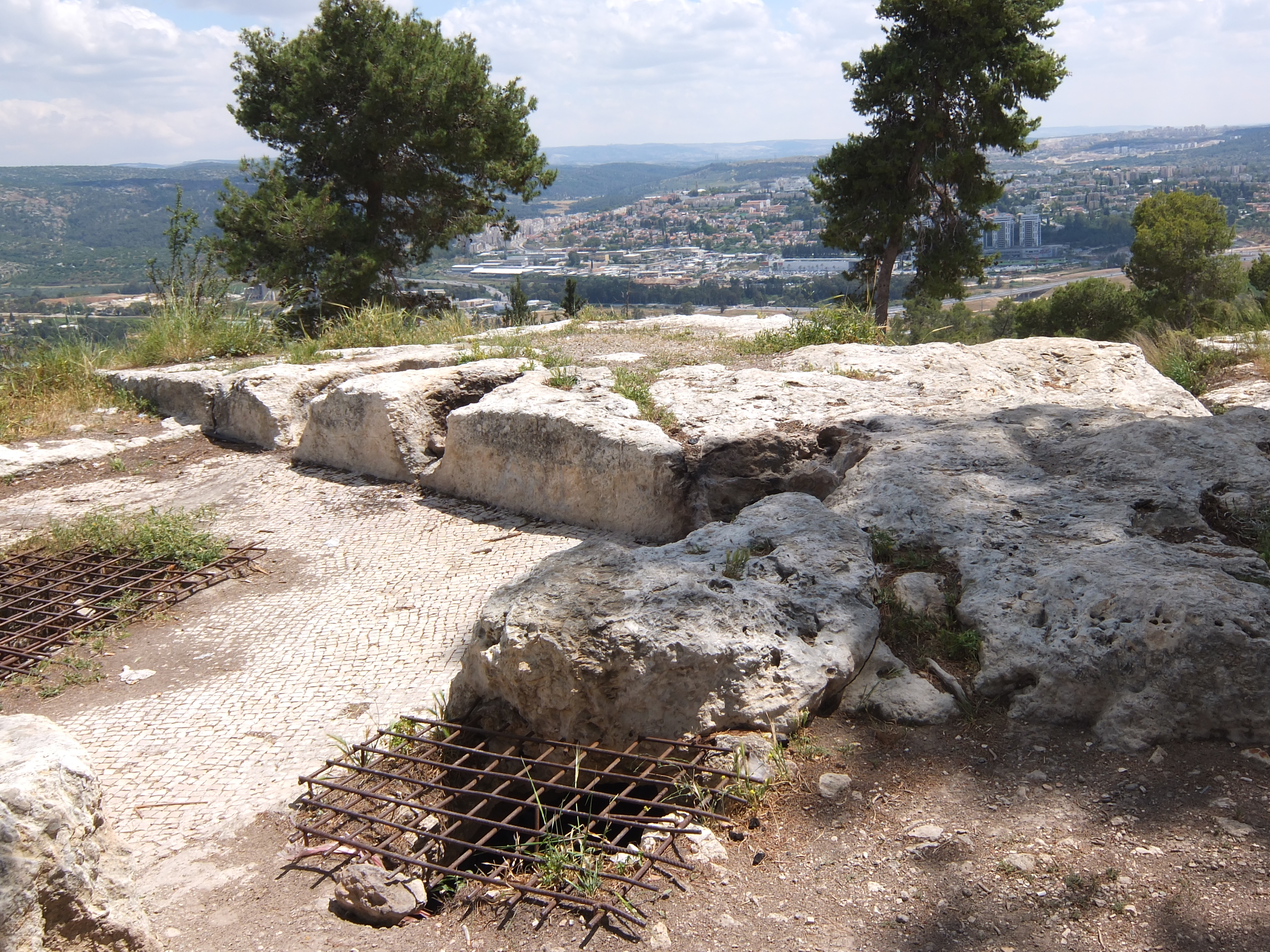
Zorah was a town in the Judean foothills overlooking the Sorek Valley. It is especially important as the hometown of Manoah and his son Samson.

Zorah originally belonged to the territory assigned to Judah but was later associated with the tribe of Dan. The neighboring town of Eshtaol frequently appears with it in the Samson narratives and in the history of the Danites.

Zorah is commonly identified with Tel Tzora near the former village of Sar'a west of Jerusalem.

Zorah

Biblical Significance

Joshua lists Zorah among towns associated with Judah and later within the territory allotted to Dan.

Judges introduces Manoah as a man of Zorah from the clan of the Danites. His wife received the announcement that she would give birth to Samson.

As Samson grew, the Spirit of the Lord began to stir him in the area between Zorah and Eshtaol.

After Samson's death at Gaza, his family recovered his body and buried him between Zorah and Eshtaol in the tomb of Manoah his father.

Zorah also appears in the account of Danites who left the region and eventually captured Laish in northern Canaan.

Historical Background

Zorah occupied a strategic hill overlooking the Sorek Valley in the Shephelah, a border region between the Judean highlands and the Philistine coastal plain.

This geographical setting fits the Samson narratives particularly well because Samson repeatedly moves between Israelite communities in the foothills and Philistine settlements farther west.

The town continued to be important after the period of the judges and is listed among places fortified by Rehoboam.

Modern Identification

Biblical Zorah is commonly identified with Tel Tzora near the former village of Sar'a, west of Jerusalem and overlooking the Sorek Valley.

The preservation of the ancient name and the geographical relationship with the Sorek Valley and neighboring Eshtaol make the identification strong.

Nearby locations traditionally identified as the tombs of Samson and Manoah belong to later tradition and cannot be demonstrated archaeologically.

Scripture References

Related Resources

Sources

Bible: Joshua 15:33, Joshua 19:41, Judges 13:2-25, Judges 16:31, Judges 18:2-11, 2 Chronicles 11:10, Nehemiah 11:29; historical geography and archaeological surveys of the Sorek Valley and Tel Tzora