
Bible Location

Urkesh

A Visit With Jesus

Urkesh was an important ancient Hurrian city in northern Mesopotamia. It flourished during the third and early second millennia BC and possessed political and religious importance in the region of the upper Khabur River.

Urkesh is not named in the Bible. Its value for AVWJ lies in providing historical and cultural background for northern Mesopotamia, the broader region associated with Harran and several patriarchal traditions.

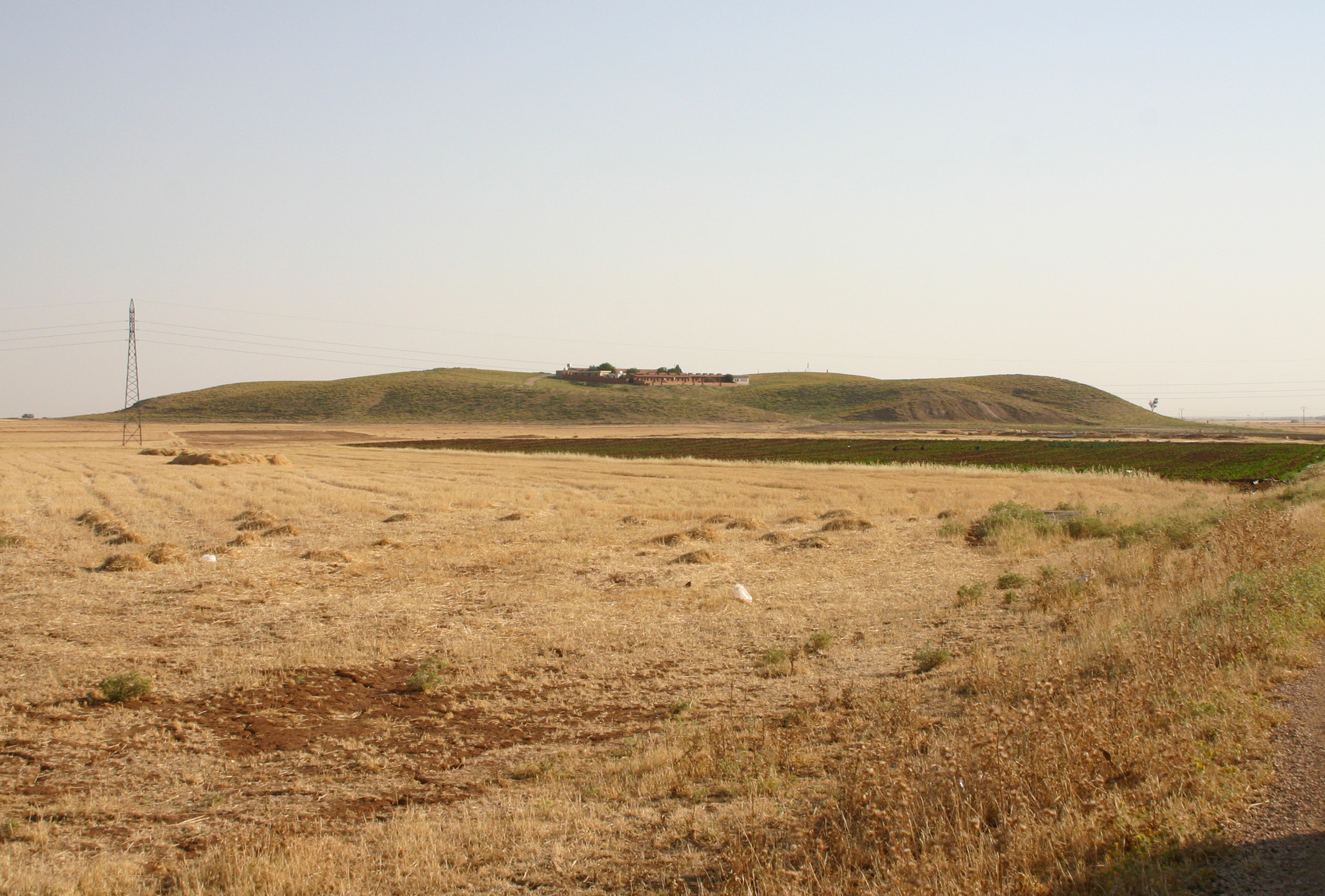
The city has been securely identified with Tell Mozan in northeastern Syria through archaeological excavation and inscriptions bearing the ancient name.

Urkesh

Biblical Significance

Urkesh is not explicitly mentioned in the biblical text.

Its relevance to biblical history is geographical and cultural. The city belonged to the wider northern Mesopotamian world through which important ancient routes connected Syria, Anatolia, and Mesopotamia.

The patriarchal narratives preserve connections with northern Mesopotamian places including Harran and Aram-Naharaim. Urkesh provides archaeological evidence for the complex urban cultures that existed in this broader region.

Historical Background

Urkesh was an important center of Hurrian civilization. The Hurrians played a substantial role in northern Mesopotamia and Syria during the Bronze Age.

Excavations have uncovered a royal palace, monumental religious architecture, seal impressions, administrative material, and inscriptions identifying rulers of Urkesh.

The city maintained cultural and political relationships with other Mesopotamian powers, including the Akkadian world.

Urkesh declined in political importance during the second millennium BC, although occupation at the site continued.

Modern Identification

Ancient Urkesh is securely identified with Tell Mozan in northeastern Syria near the modern Turkish border.

Seal impressions and inscriptions discovered at the site provide direct evidence for the ancient name and its rulers, making this identification substantially more secure than many biblical geographical identifications.

AVWJ should nevertheless make clear that Urkesh is included as historical background and is not itself a location named in Scripture.

Related Resources

Sources

No direct biblical reference; archaeological excavations at Tell Mozan; Hurrian inscriptions and seal impressions from Urkesh; Akkadian-period historical sources; archaeological and historical studies of northern Mesopotamia and Hurrian civilization