
Bible Location

Ur of the Chaldees

Also known as: Ur of the Chaldeans
A Visit With Jesus

Ur of the Chaldees, or Ur of the Chaldeans, is named in Genesis as the homeland from which Terah departed with Abram, Sarai, and Lot before settling at Harran. God later reminded Abraham that He had brought him out of Ur of the Chaldeans.

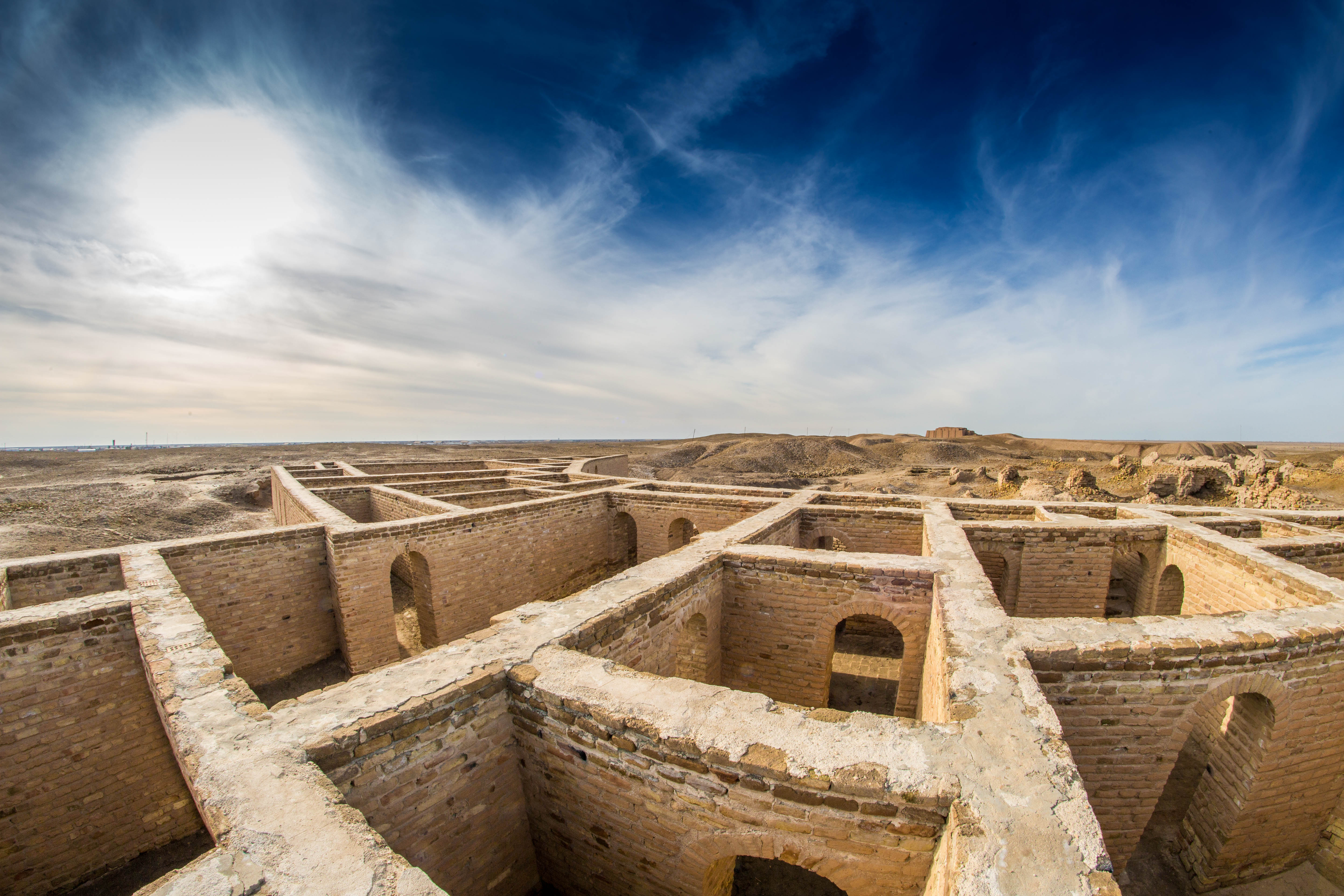
The traditional and widely accepted identification is the great ancient city of Ur at Tell el-Muqayyar in southern Mesopotamia, in modern Iraq.

Although alternative northern locations have occasionally been proposed, the southern Mesopotamian identification remains the principal archaeological and historical candidate.

Ur of the Chaldees

Biblical Significance

Genesis records that Terah took his son Abram, his grandson Lot, and Sarai from Ur of the Chaldeans intending to travel toward Canaan. They reached Harran and settled there.

After Terah's death, God called Abram to leave his country and kindred and journey to the land that God would show him.

Genesis 15 records God identifying Himself to Abram as the Lord who brought him out of Ur of the Chaldeans to give him the land of Canaan.

Nehemiah later recalls the same tradition while recounting God's covenant faithfulness to Abraham.

Historical Background

Ur was one of the major cities of ancient southern Mesopotamia and played an especially important role in Sumerian civilization.

The city became the center of the powerful Third Dynasty of Ur near the end of the third millennium BC. Monumental construction included the famous ziggurat associated with the moon god Nanna.

Archaeological excavations revealed temples, houses, administrative records, graves, and thousands of cuneiform tablets documenting the city's long history.

The biblical expression "Ur of the Chaldeans" employs terminology associated with a people prominent in southern Babylonia during a considerably later historical period. Scholars have proposed several explanations for this chronological feature of the biblical wording.

Modern Identification

Ur of the Chaldeans is traditionally and widely identified with Tell el-Muqayyar in southern Iraq near ancient channels of the Euphrates.

The archaeological identification of Tell el-Muqayyar as ancient Ur is certain because of inscriptions and extensive excavation.

What remains open to discussion is whether this southern city is specifically the Ur intended by the Abraham narrative. Alternative northern Mesopotamian proposals have been advanced, but the southern Ur remains the predominant identification.

Scripture References

Related Resources

Sources

Bible: Genesis 11:27-32, Genesis 15:7, Nehemiah 9:7; Sumerian and Akkadian cuneiform records; Royal Cemetery of Ur; archaeological excavations at Tell el-Muqayyar; historical and geographical studies concerning Ur and the patriarchal narratives