
Bible Location

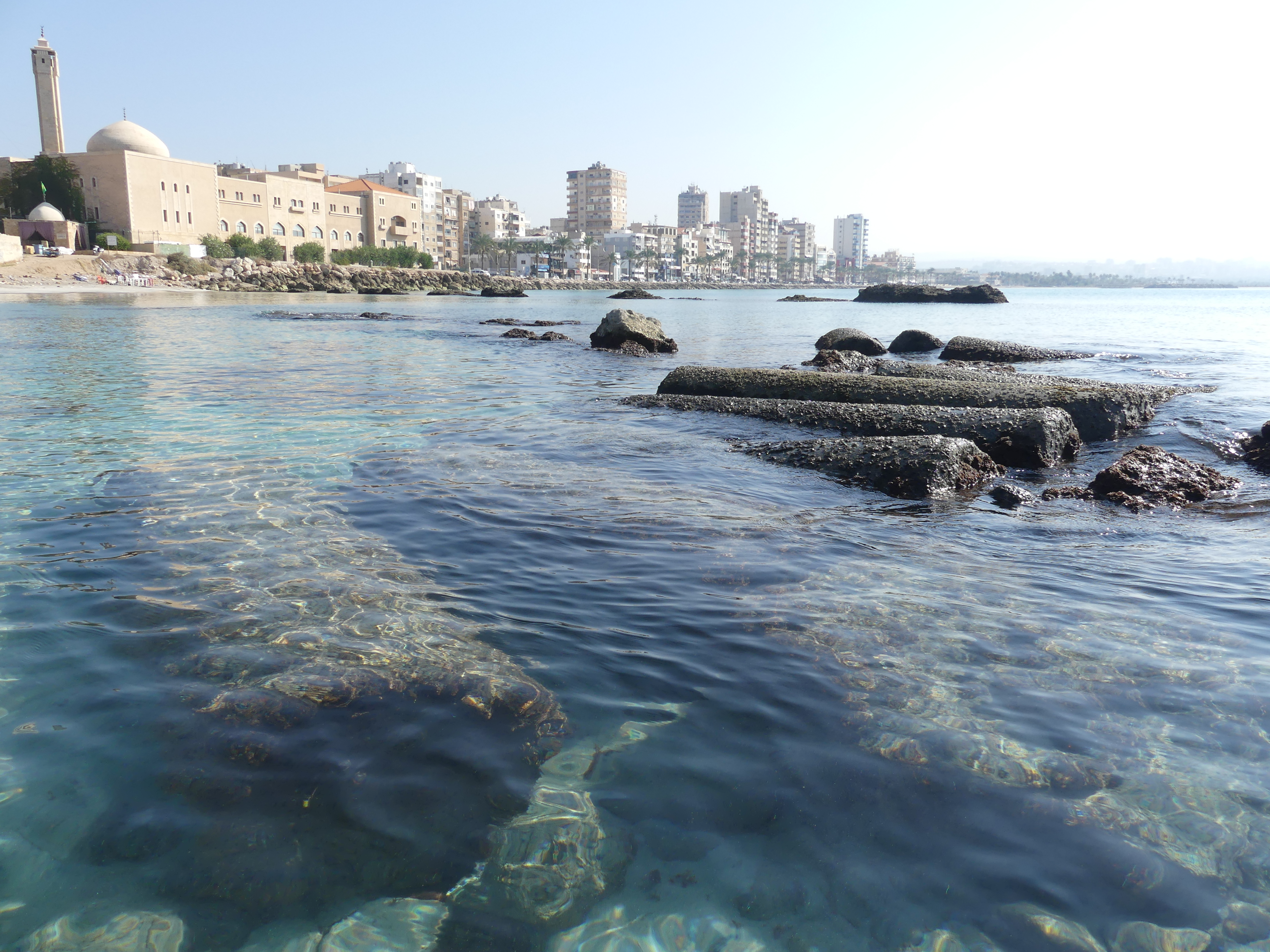
Tyre, Lebanon

Also known as: Tyre
A Visit With Jesus

Tyre was one of the most important Phoenician cities of the eastern Mediterranean. Ancient Tyre included a mainland settlement and a heavily fortified island city just offshore.

The Bible records extensive relations between Tyre and Israel. Hiram king of Tyre supplied David and Solomon with timber, craftsmen, and other resources, while the prophets later pronounced judgments against the wealthy maritime city.

Tyre also appears in the New Testament. Jesus traveled into the region of Tyre and Sidon, and Paul visited Christian believers at Tyre during his journey to Jerusalem.

Tyre, Lebanon

Biblical Significance

Hiram king of Tyre maintained friendly relations with David and later Solomon. Tyrian cedar, craftsmen, and technical expertise contributed to David's palace and to Solomon's Temple and royal building projects.

Tyre became famous for maritime commerce. Isaiah and Ezekiel describe its wealth, ships, merchants, and extensive international trade while also announcing divine judgment upon its pride and power.

Jesus traveled into the region of Tyre and Sidon, where a Gentile woman appealed to Him for the healing of her daughter.

During Paul's final journey toward Jerusalem, his ship landed at Tyre. Paul remained there for seven days with Christian disciples before continuing southward.

Historical Background

Tyre was one of the leading cities of Phoenician civilization. Its position on the Mediterranean allowed its merchants and sailors to participate in extensive commercial networks throughout the ancient world.

The city consisted historically of settlements on the mainland and an offshore island. The island location made Tyre exceptionally difficult to capture.

Tyre came under pressure or domination from Assyria and Babylonia but retained substantial commercial importance. Alexander the Great besieged the island city in 332 BC and constructed a causeway from the mainland to reach it.

Accumulated sediment around Alexander's causeway eventually transformed the former island into a peninsula connected permanently to the mainland.

Modern Identification

Ancient Tyre is securely identified with the modern Lebanese city of Tyre, known in Arabic as Sur.

The ancient island is now connected to the mainland by a broad accumulation of sediment around the causeway originally constructed during Alexander the Great's siege.

Archaeological remains survive both within the modern city and in surrounding areas, although continuous occupation has obscured portions of the ancient settlement.

Scripture References

Related Resources

Sources

Bible: 2 Samuel 5:11, 1 Kings 5:1-18, 1 Kings 7:13-14, 1 Kings 9:10-14, Isaiah 23, Ezekiel 26-28, Matthew 15:21-28, Mark 7:24-31, Acts 21:3-7; Assyrian and Babylonian records; classical accounts of Alexander's siege; Phoenician inscriptions and archaeological studies of Tyre