
Bible Location

Sumer

Also known as: Sumer (Sumeria) - Mesopotamian state and region
A Visit With Jesus

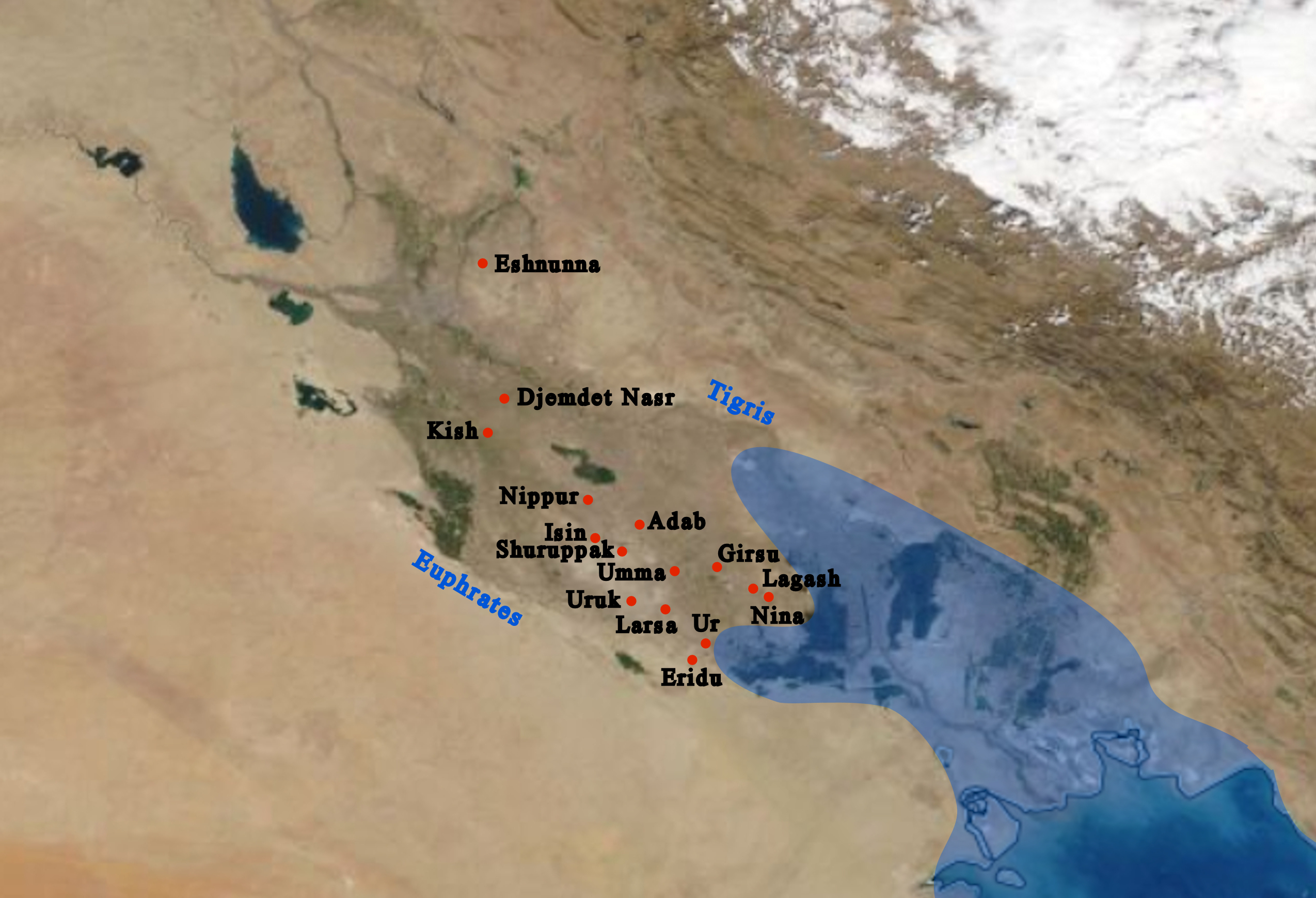
Sumer was the ancient civilization of southern Mesopotamia in the region surrounding the lower Tigris and Euphrates Rivers. Its cities included Ur, Uruk, Eridu, Lagash, Nippur, and others that played major roles in the earliest urban history of the ancient Near East.

The Bible does not use the modern scholarly name Sumer, but several biblical locations and traditions belong to the same southern Mesopotamian geographical world. The land of Shinar is often associated broadly with Babylonia and southern Mesopotamia.

Sumer provides important historical background for understanding the ancient Near Eastern world reflected in the earliest chapters of Genesis.

Sumer

Biblical Significance

Although the name Sumer does not occur in the Bible, southern Mesopotamia forms an important part of biblical geography.

Genesis places Babel, Erech, Akkad, and other early cities in the land of Shinar. Erech is generally identified with ancient Uruk, one of the great cities of Sumer.

Abraham is described as coming from Ur of the Chaldeans. The identification of biblical Ur with the famous southern Mesopotamian city of Ur is traditional and widely held, although alternative proposals have existed.

Mesopotamian literature and archaeology also provide valuable comparative material for studying biblical accounts of creation, flood traditions, kingship, temples, law, and urban civilization.

Historical Background

Sumerian civilization flourished in southern Mesopotamia during the fourth and third millennia BC. Independent city-states developed complex systems of government, religion, agriculture, trade, and monumental construction.

The Sumerian language is unrelated to the Semitic languages of later Akkadian-speaking Mesopotamians. Sumerians played a major role in the development and use of cuneiform writing.

Political dominance shifted repeatedly among cities and dynasties. Sumerian cultural traditions nevertheless remained influential long after Sumerian ceased to be commonly spoken.

Modern Identification

Ancient Sumer occupied southern Mesopotamia, principally within modern southern Iraq.

Its major archaeological sites include Ur, Uruk, Eridu, Nippur, Lagash, and other ancient settlements between and around the lower Tigris and Euphrates.

Sumer should be treated as an ancient cultural and geographical region rather than equated directly with a biblical political entity.

Scripture References

Related Resources

Sources

Bible: Genesis 10:10, Genesis 11:1-9, Genesis 11:28-31; Sumerian and Akkadian cuneiform texts; archaeological excavations at Ur, Uruk, Nippur, Eridu, Lagash, and other southern Mesopotamian sites; historical studies of ancient Sumer