
Bible Location

Sinai Peninsula

Also known as: Sinai
A Visit With Jesus

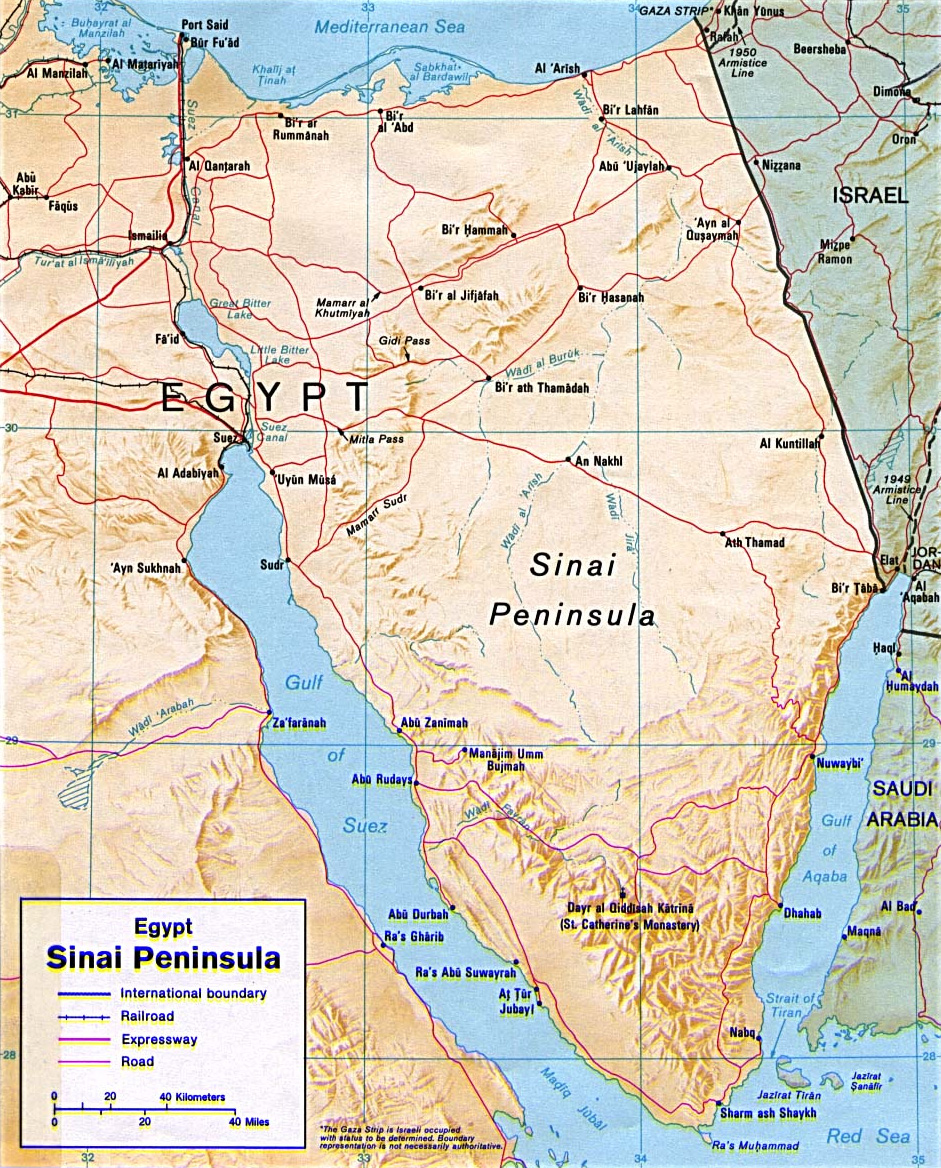
The Sinai Peninsula is the triangular desert region between the Gulf of Suez and the Gulf of Aqaba connecting Egypt with the southern Levant. It provides the traditional geographical setting for much of Israel's wilderness journey following the Exodus.

The Bible does not use the modern expression "Sinai Peninsula" as a political or geographical unit. Instead, it refers to the wilderness of Sinai and Mount Sinai, together with numerous wilderness stations.

The traditional location of Mount Sinai lies in the southern peninsula, but its precise identification remains debated.

Sinai Peninsula

Biblical Significance

After leaving Egypt, Israel traveled through wilderness territory and eventually entered the Wilderness of Sinai. There the nation encamped before the mountain where God established His covenant with Israel.

At Mount Sinai Moses received the commandments and covenant laws. Israel also constructed the tabernacle and established the priestly system during its extended encampment in the region.

The Sinai narratives occupy a central place in Exodus, Leviticus, and Numbers and form the geographical setting for Israel's transition from an escaped population to a covenant community.

Historical Background

The Sinai Peninsula has served throughout history as a land bridge between Egypt and southwestern Asia. Its northern routes provided communication between Egypt and Canaan, while its southern mountains and mineral districts attracted mining expeditions from Egypt.

Ancient Egyptian activity in Sinai included mining for turquoise and copper, particularly at locations such as Serabit el-Khadim and Wadi Maghara.

The biblical wilderness itinerary has generated extensive geographical debate because many ancient place-names cannot be identified securely and several different locations have been proposed for Mount Sinai.

Modern Identification

The modern Sinai Peninsula forms part of Egypt and lies between the Mediterranean Sea to the north, the Gulf of Suez to the west, and the Gulf of Aqaba to the east.

The peninsula itself is geographically certain, but identifying individual biblical wilderness stations within it is much more difficult.

Jebel Musa in southern Sinai is the best-known traditional identification of Mount Sinai, but alternative locations have been proposed. AVWJ should distinguish the certainty of the peninsula from the uncertainty surrounding the precise biblical mountain.

Scripture References

Related Resources

Sources

Bible: Exodus 16-40, Leviticus 1-27, Numbers 1-10, Numbers 33; ancient Egyptian inscriptions from Sinai; archaeological and historical studies of Sinai; historical geography of the Exodus route and Mount Sinai