
Bible Location

Sidon

A Visit With Jesus

Sidon was one of the great Phoenician cities of the eastern Mediterranean coast. Located in modern Lebanon, it possessed a long history extending through the Bronze Age, Iron Age, Persian, Hellenistic, Roman, and later periods.

The Bible frequently uses the Sidonians as representative of Phoenician culture. Sidon appears in Israel's territorial descriptions, the narratives concerning Jezebel and Elijah, prophetic oracles, and the ministry of Jesus.

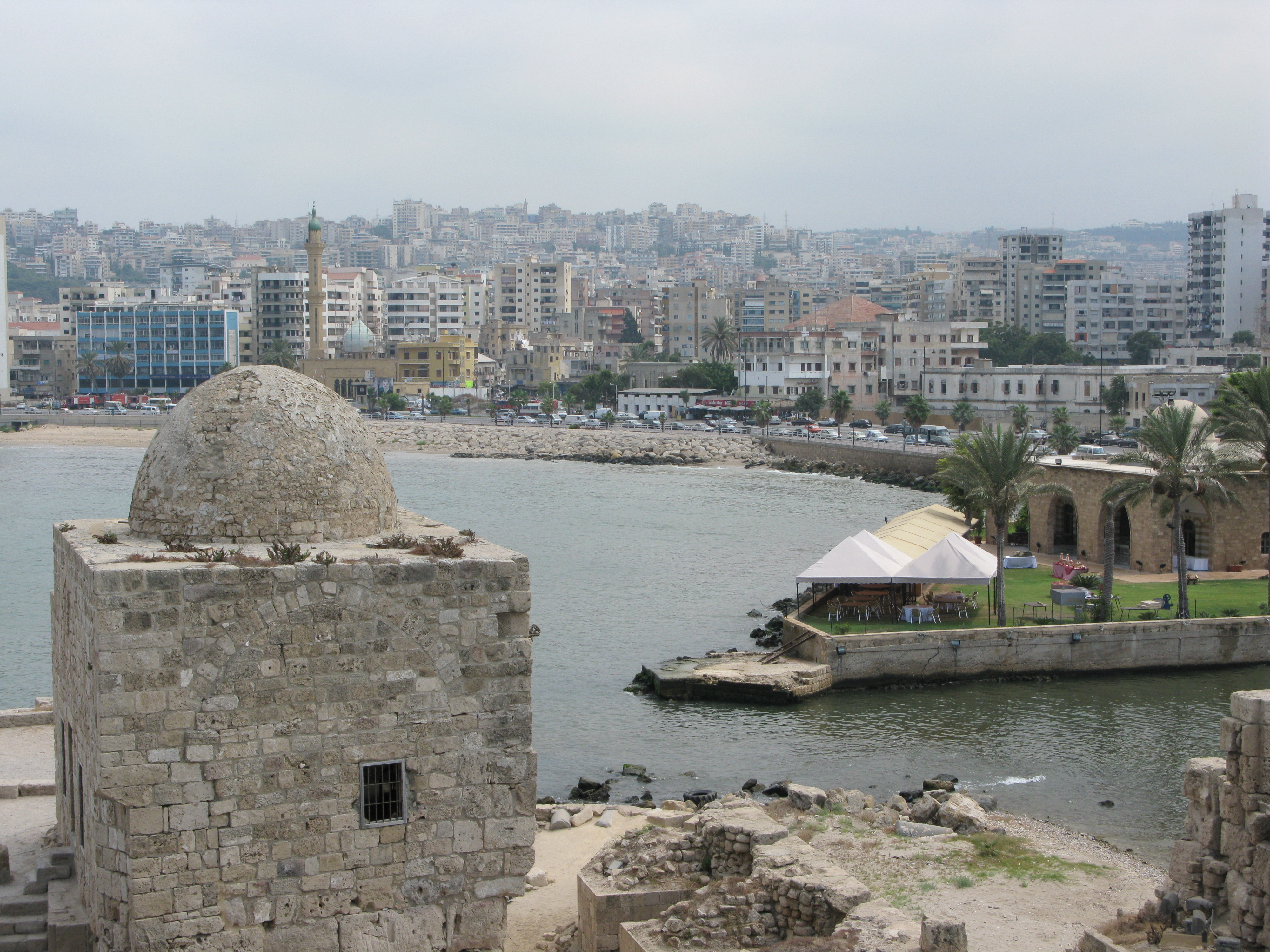
Ancient Sidon lies beneath and around the modern Lebanese city of Sidon, also known as Saida.

Sidon

Biblical Significance

Genesis names Sidon in connection with the descendants of Canaan, and later biblical texts repeatedly use Sidon as an important northern coastal landmark.

During the monarchy, Ahab married Jezebel, daughter of Ethbaal king of the Sidonians. Her promotion of Baal worship became central to the religious conflict described in the Elijah narratives.

Elijah himself was sent to Zarephath, a town belonging to Sidon, where a widow provided for him during the drought.

The prophets pronounced judgments concerning Sidon and neighboring Phoenician cities. In the New Testament, Jesus traveled into the region of Tyre and Sidon, and people from Sidon were among those who came to hear Him.

Paul also stopped at Sidon during his voyage as a prisoner toward Rome.

Historical Background

Sidon was one of the oldest and most influential cities of the Phoenician coast. Its harbor and maritime connections supported extensive Mediterranean trade.

The city was an important center of craftsmanship, commerce, and religious life. Archaeological excavations have uncovered remains extending from the Bronze Age through later antiquity, including temples and extensive burial evidence.

Sidon alternated between independence and submission to larger empires, including Egypt, Assyria, Babylonia, Persia, the Hellenistic kingdoms, and Rome.

During the Persian period, Sidonian kings exercised considerable regional importance before a major revolt against Persian rule ended disastrously in the fourth century BC.

Modern Identification

Ancient Sidon is securely identified with modern Sidon, or Saida, on the Mediterranean coast of Lebanon.

Because the modern city overlies substantial portions of the ancient settlement, archaeological investigation has necessarily been conducted in selected areas rather than across the entire ancient city.

The continuity of the name, ancient literary evidence, inscriptions, and archaeological remains leave no meaningful doubt concerning the identification.

Scripture References

Related Resources

Sources

Bible: Genesis 10:15-19, Joshua 11:8, Judges 3:3, 1 Kings 16:31, 1 Kings 17:9, Isaiah 23, Jeremiah 25:22, Ezekiel 28:20-24, Matthew 15:21, Mark 7:24-31, Luke 6:17, Acts 27:3; Phoenician inscriptions; Assyrian and Persian records; archaeological excavations at Sidon