
Bible Location

Shiloh (biblical city)

Also known as: Shiloh
A Visit With Jesus

Shiloh was an important Israelite religious center in the hill country of Ephraim. After Israel entered Canaan, the tabernacle was established there, and Shiloh became the principal sanctuary associated with the Ark of the Covenant during much of the period of the judges.

Shiloh is especially associated with Eli, Hannah, and the childhood of Samuel. The sanctuary later lost its central role, and biblical prophets remembered Shiloh as a warning that possession of a sanctuary did not protect a disobedient people from judgment.

Biblical Shiloh is securely identified with Khirbet Seilun.

Shiloh (biblical city)

Biblical Significance

Joshua records the congregation of Israel assembling at Shiloh and setting up the tent of meeting there. From Shiloh, Joshua continued the allocation of tribal territories.

The book of Judges describes annual religious celebrations at Shiloh.

First Samuel introduces Elkanah and Hannah traveling regularly to Shiloh to worship. Hannah prayed there for a son and subsequently dedicated Samuel to the Lord's service under Eli.

During the conflict with the Philistines, the Ark was taken from Shiloh into battle and captured. Although Scripture does not explicitly narrate the destruction of Shiloh at that point, later passages indicate that its sanctuary had suffered judgment and ceased to function as Israel's principal worship center.

Historical Background

Shiloh occupied a relatively secluded valley in the hill country of Ephraim along the route between Bethel and Shechem.

Judges 21 gives unusually detailed geographical directions, placing Shiloh north of Bethel, east of the highway from Bethel to Shechem, and south of Lebonah.

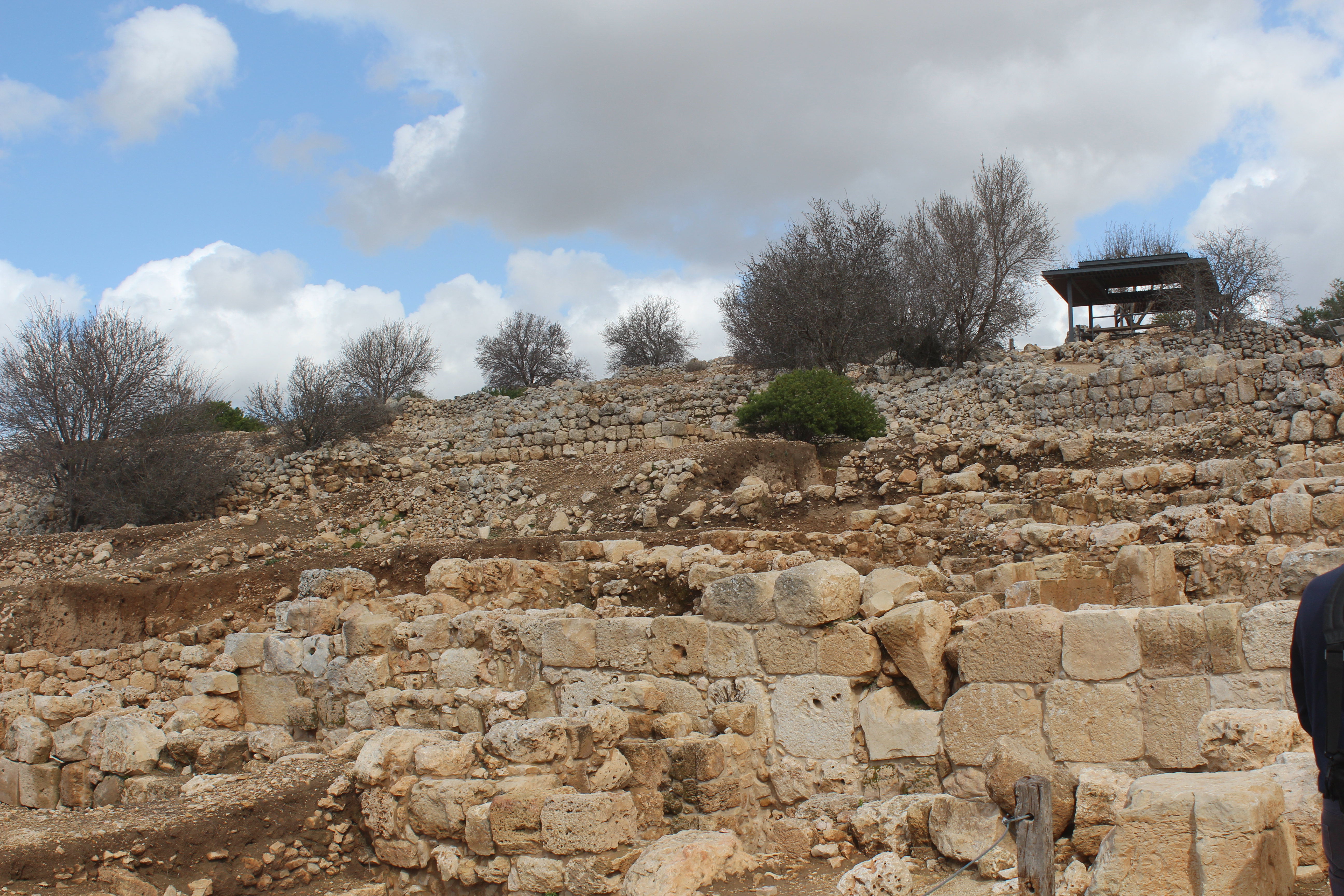
Archaeological excavations at Khirbet Seilun have uncovered evidence of settlement during the Iron Age I period corresponding broadly to the era in which the Bible places the Israelite sanctuary there.

Evidence of destruction and abandonment near the end of Iron Age I has often been connected with the loss of Shiloh described indirectly in later biblical texts, although archaeology cannot identify the responsible attackers with certainty.

Modern Identification

Biblical Shiloh is securely identified with Khirbet Seilun in the central highlands.

The ancient name is preserved in the modern place-name, and the location agrees closely with the detailed geographical description in Judges 21:19.

Excavations have confirmed occupation during the biblical period. Proposed locations for the tabernacle within or adjacent to the site remain debated, and no archaeological feature can presently be identified with certainty as the biblical tabernacle itself.

Scripture References

Related Resources

Sources

Bible: Joshua 18:1-10, Joshua 19:51, Judges 18:31, Judges 21:19-23, 1 Samuel 1-4, Psalms 78:60, Jeremiah 7:12-14, Jeremiah 26:6-9; archaeological excavations at Khirbet Seilun; historical geography of the central highlands