
Bible Location

Samaria

Also known as: Samaria - City and Region
A Visit With Jesus

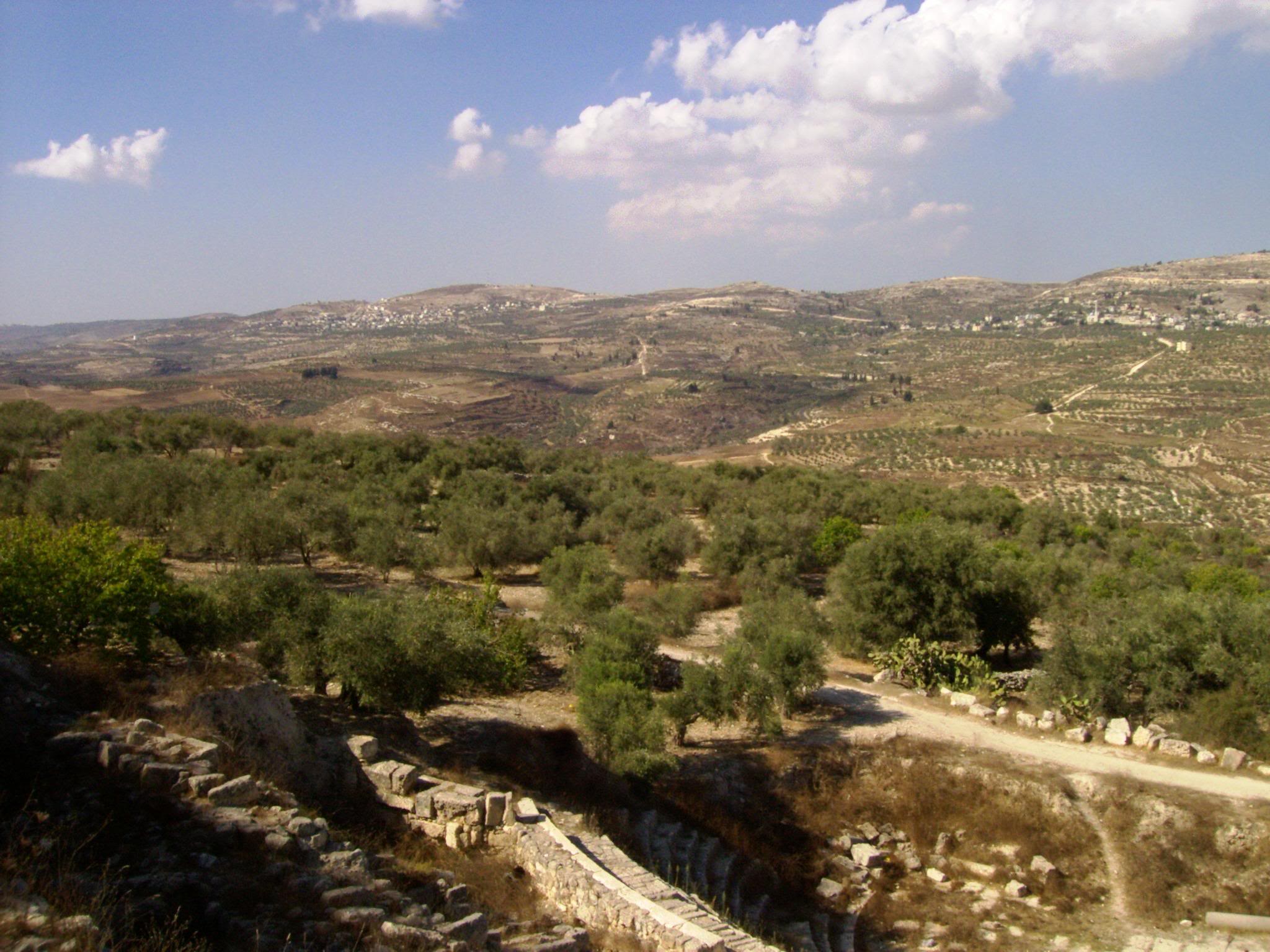
Samaria was both an ancient city and, in later usage, the surrounding central region of the land. King Omri founded the city of Samaria as the capital of the northern kingdom of Israel after purchasing the hill from Shemer.

Samaria remained the political center of the northern kingdom until its conquest by Assyria in the late eighth century BC. The city was later rebuilt and developed under Hellenistic, Hasmonean, and Roman rulers.

By New Testament times the name Samaria also designated the region between Judea and Galilee inhabited substantially by the Samaritan community.

Samaria

Biblical Significance

First Kings records Omri purchasing the hill of Samaria from Shemer and building a city there, which he named Samaria after the former owner of the hill.

Samaria became the capital of the northern kingdom under Omri and his successors. Ahab constructed important royal buildings there, and the ministries of Elijah and Elisha repeatedly intersect with events involving the city and its kings.

The Assyrians besieged Samaria during the reign of Hoshea. After the city fell, inhabitants of the northern kingdom were deported and populations from other parts of the Assyrian Empire were settled in the region.

In the New Testament, Jesus traveled through Samaria, and Acts describes the gospel spreading there through the ministry of Philip and later the apostles Peter and John.

Historical Background

Omri established Samaria as the capital of Israel during the ninth century BC. Its hilltop position and defensible setting made it well suited to serve as a royal administrative center.

Archaeological excavations have uncovered major Iron Age royal architecture, fortifications, carved ivory fragments, and ostraca recording administrative transactions.

Assyria captured Samaria after a prolonged siege in the late eighth century BC and incorporated the region into its provincial system.

The city continued through subsequent periods. Herod the Great extensively rebuilt it and renamed it Sebaste in honor of Augustus. The surrounding region continued to be known as Samaria.

Modern Identification

The ancient city of Samaria is securely identified with the archaeological site of Sebastia, northwest of modern Nablus.

The term Samaria must nevertheless be interpreted according to context. In Old Testament accounts it may refer specifically to the capital city or, increasingly, to the northern kingdom. In later periods it commonly refers to the broader central region.

AVWJ should distinguish the ancient city of Samaria from the larger geographical region whenever the biblical passage permits.

Scripture References

Related Resources

Sources

Bible: 1 Kings 16:23-28, 1 Kings 20-22, 2 Kings 6-7, 2 Kings 17:1-24, Ezra 4, John 4:1-42, Acts 1:8, Acts 8:4-25; Assyrian royal inscriptions; Samaria Ostraca; archaeological excavations at Samaria-Sebaste; Josephus