
Bible Location

Rephidim

A Visit With Jesus

Rephidim was an encampment of the Israelites during their journey from Egypt toward Mount Sinai. It became the setting of two important events: God's provision of water from the rock and Israel's battle with Amalek.

At Rephidim the people complained because they lacked water. Moses struck the rock at God's command, and water was provided for the congregation.

The exact location of Rephidim is unknown because its identification depends heavily upon the still-disputed reconstruction of the Exodus route and the location of Mount Sinai.

Rephidim

Biblical Significance

After leaving the wilderness of Sin, Israel encamped at Rephidim and found no water to drink. The people quarreled with Moses and questioned whether the Lord was truly among them.

At God's direction Moses took elders of Israel and struck the rock at Horeb with his staff. Water came from the rock, and Moses named the place Massah and Meribah because of Israel's testing and quarreling.

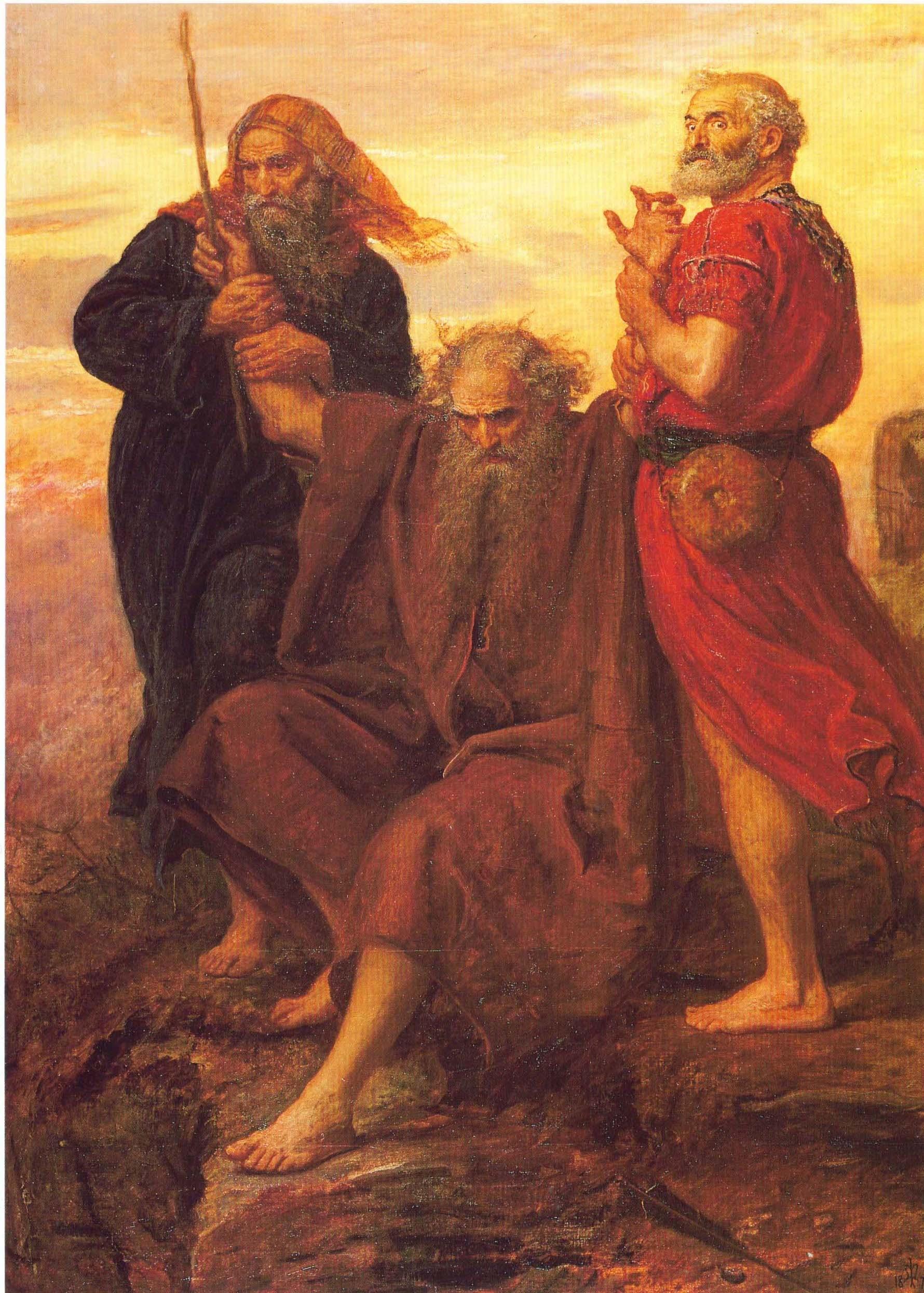
Rephidim was also the location of Israel's first recorded military battle after leaving Egypt. Amalek attacked Israel, and Joshua led Israelite fighters while Moses stood above the battlefield holding up the staff of God.

When Moses' hands became weary, Aaron and Hur supported them until Joshua defeated the Amalekite force. Moses subsequently built an altar called The Lord Is My Banner.

Historical Background

Rephidim belongs to the sequence of wilderness stations between the departure from Egypt and Israel's arrival at Mount Sinai.

Exodus places it after the wilderness of Sin and before the wilderness of Sinai. The narrative also connects the water episode with Horeb, creating an important geographical relationship between Rephidim and the mountain of God.

Because neither the precise Exodus route nor Mount Sinai has been securely identified, attempts to locate Rephidim remain dependent upon competing geographical reconstructions.

Modern Identification

The precise location of Rephidim is unknown.

Traditional reconstructions placing Mount Sinai at Jebel Musa commonly identify Rephidim somewhere in the southern Sinai Peninsula, and Wadi Feiran has frequently been proposed.

Other proposed locations follow alternative reconstructions of the Exodus route. No archaeological evidence presently establishes one candidate as biblical Rephidim.

AVWJ should therefore present Rephidim as an uncertain wilderness location rather than assign it confidently to a particular modern site.

Scripture References

Related Resources

Sources

Bible: Exodus 17:1-16, Exodus 19:2, Numbers 33:14-15; historical geography of the Exodus itinerary; biblical geographical studies concerning Rephidim, Horeb, and Mount Sinai