
Bible Location

Petra

Also known as: Petra (traditionally associated with Sela)
A Visit With Jesus

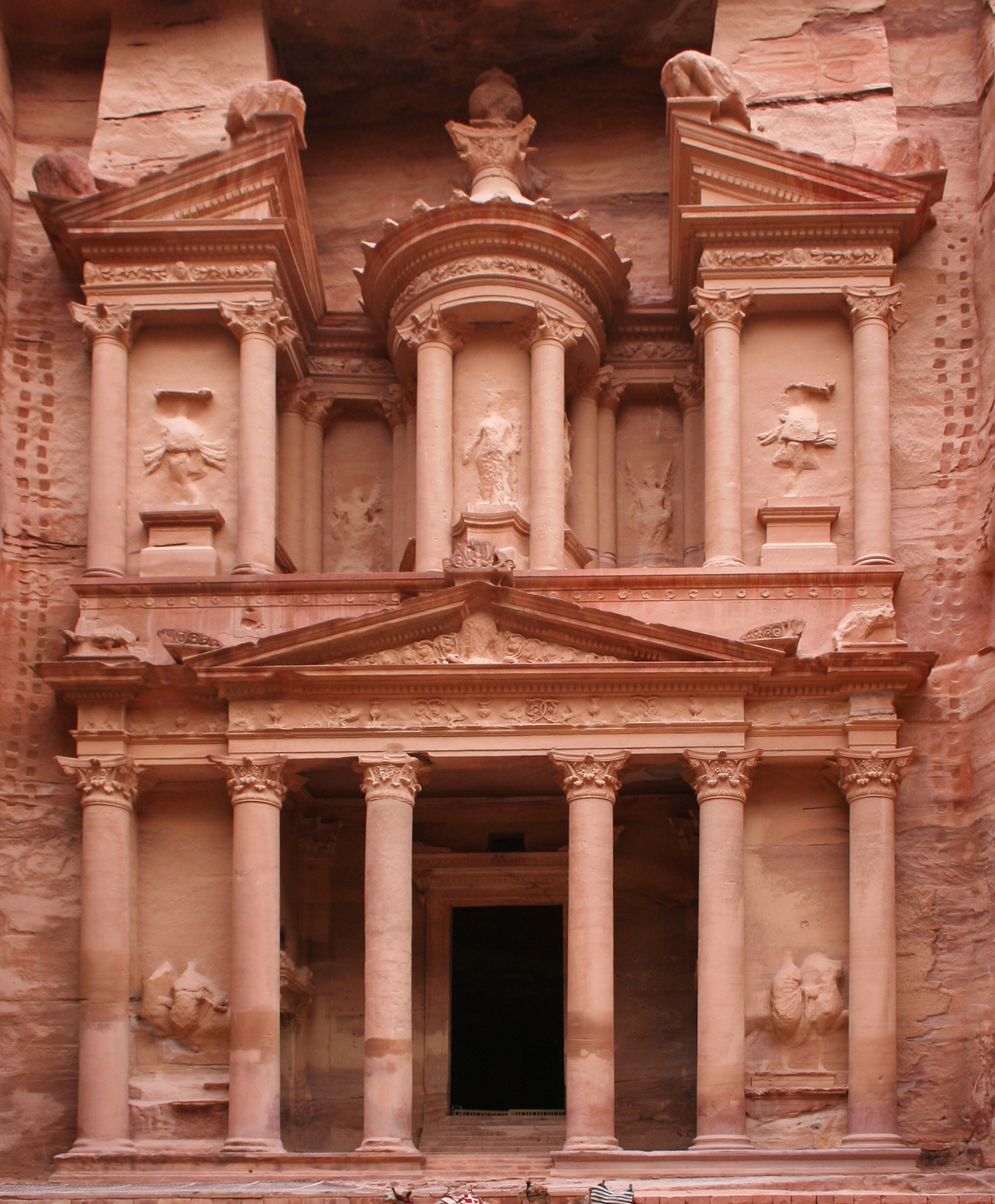
Petra is an ancient city in southern Jordan famous for monumental buildings and tombs carved into sandstone cliffs. It became especially important as a center of the Nabataean kingdom and as a hub of regional trade.

Petra is frequently associated in popular biblical literature with the Old Testament place called Sela, a Hebrew word meaning "rock." However, the identification of biblical Sela with Petra is debated and should not be presented as certain.

Petra itself became most prominent many centuries after several of the Old Testament passages traditionally associated with Sela.

Petra

Biblical Significance

The Old Testament refers to a place called Sela in connection with Edom. Second Kings records Amaziah king of Judah defeating Edomites in the Valley of Salt and capturing Sela, which he renamed Joktheel.

Isaiah also refers to Sela in an oracle involving Moab, while other passages use the ordinary Hebrew word sela for a rock or rocky stronghold.

Petra has long been identified in Christian and popular biblical tradition with Sela because of its location in Edomite territory and its spectacular rocky landscape.

The biblical texts themselves do not provide enough information to demonstrate that every geographical reference to Sela denotes the later city of Petra.

Historical Background

The Petra region was occupied long before the rise of the Nabataean kingdom, but the city achieved its greatest prosperity under the Nabataeans during the centuries surrounding the beginning of the Christian era.

Petra controlled routes connecting Arabia, the Red Sea, southern Levant, and Mediterranean markets. Nabataean engineers developed sophisticated systems of channels, cisterns, dams, and reservoirs to support a major population in an arid environment.

Rome annexed the Nabataean kingdom in AD 106, incorporating Petra into the province of Arabia. The city remained important during the Roman and Byzantine periods.

Modern Identification

Ancient Petra is securely identified with the extensive archaeological site near modern Wadi Musa in southern Jordan.

What remains uncertain is the equation of Petra with the biblical Sela captured by Amaziah. Alternative locations for Sela have been proposed elsewhere in Edomite territory.

AVWJ should therefore identify this record primarily as Petra and describe its association with biblical Sela as a traditional or debated identification rather than an established fact.

Scripture References

Related Resources

Sources

Bible: 2 Kings 14:7, Isaiah 16:1; Nabataean inscriptions; classical sources concerning Petra and Arabia; archaeological studies of Petra, Nabataean civilization, and Iron Age Edom; biblical geographical studies concerning Sela