
Bible Location

Palmyra

Also known as: Palmyra (Tadmor built by Solomon)
A Visit With Jesus

Palmyra was a major oasis city in the Syrian Desert located along routes connecting the Mediterranean world with Mesopotamia. In Semitic languages the city was known as Tadmor, while the name Palmyra became common in Greek and Roman usage.

Second Chronicles states that Solomon built or fortified Tadmor in the wilderness. This Tadmor has traditionally been identified with Palmyra, although the parallel account in 1 Kings contains an important textual question involving the reading Tamar or Tadmor.

The identification of ancient Palmyra itself is certain; what remains debated is whether the Tadmor associated with Solomon in Chronicles should unquestionably be identified with that city.

Palmyra

Biblical Significance

Second Chronicles 8 describes Solomon's building activities after construction of the Temple and royal palace. The Chronicler states that Solomon built Tadmor in the wilderness together with store cities in Hamath.

The traditional identification of Tadmor with Palmyra would place Solomon's activity far northeast of Israel along an important desert trade route.

The parallel passage in 1 Kings 9:18 presents a textual difficulty. The Hebrew consonantal text is commonly read Tamar, a name associated elsewhere with southern territory, while a traditional marginal reading gives Tadmor.

Consequently, the biblical connection between Solomon and Palmyra should be presented as traditional and possible rather than treated as an archaeologically demonstrated fact.

Historical Background

Palmyra developed around a desert oasis that provided water and a natural stopping point along routes connecting Syria with the Euphrates and Mesopotamia.

The city became particularly prosperous during the Roman period as merchants participated in long-distance trade linking the Mediterranean with regions farther east.

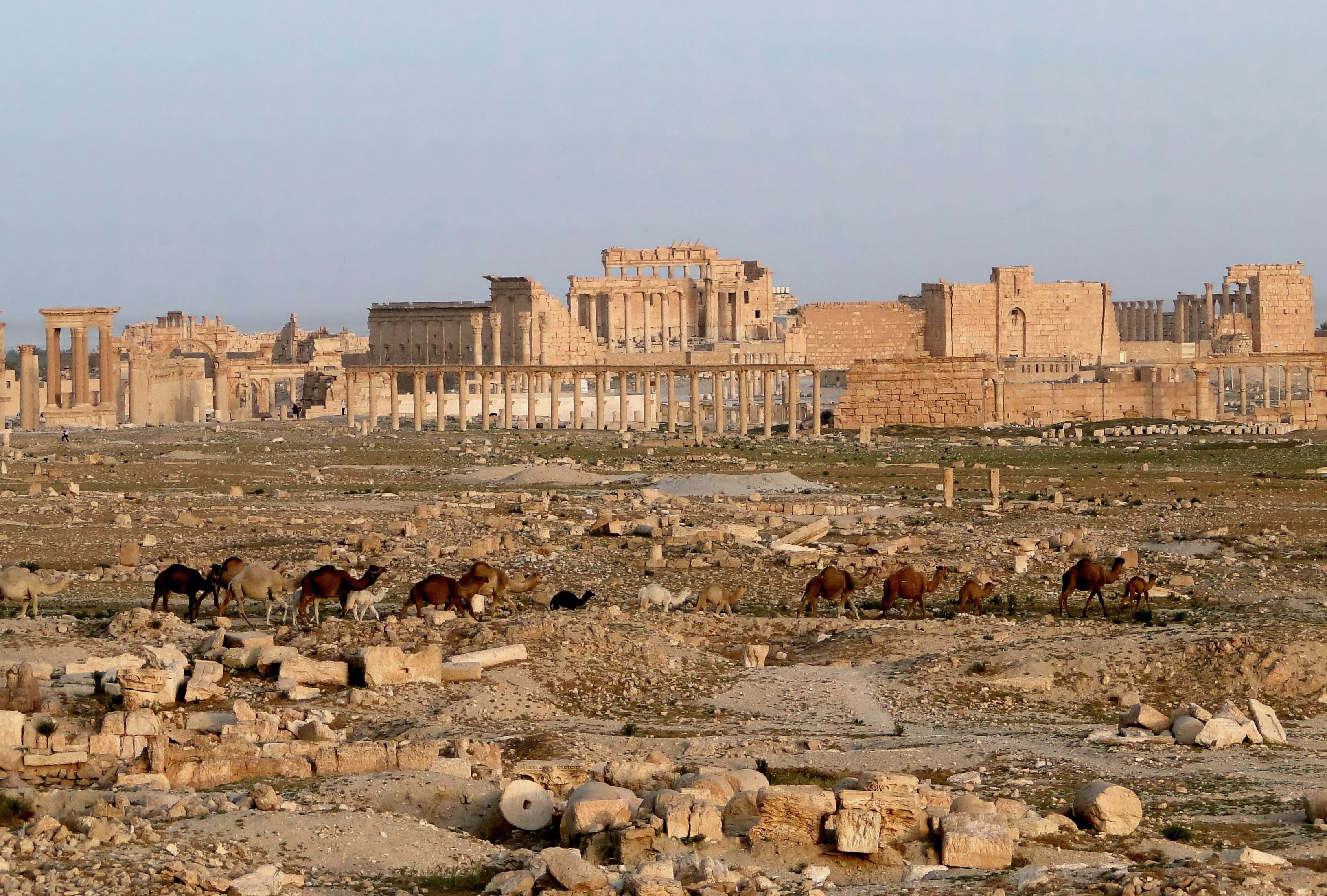
Palmyra developed a distinctive culture combining Semitic, Greek, Roman, and eastern influences. Monumental temples, colonnaded streets, funerary towers, inscriptions, and sculpture testify to the wealth of the city.

During the third century AD Palmyra reached exceptional political prominence under Odaenathus and Queen Zenobia before Roman forces reasserted control.

Modern Identification

Ancient Palmyra is securely identified with the extensive ruins beside modern Tadmor in central Syria.

The question for biblical geography is not the location of Palmyra but whether the Tadmor mentioned in 2 Chronicles 8:4 represents this same oasis city during Solomon's reign.

AVWJ should therefore identify Palmyra and Tadmor as the same well-known historical city while clearly qualifying the proposed Solomonic connection because of the textual and historical uncertainties.

Scripture References

Related Resources

Sources

Bible: 1 Kings 9:17-19, 2 Chronicles 8:3-6; classical and Semitic inscriptions from Palmyra; historical and archaeological studies of Tadmor/Palmyra and Syrian desert trade routes; textual studies concerning Tamar and Tadmor in 1 Kings 9:18