
Bible Location

Nile

Old Testament
Also known as: Nile river
A Visit With Jesus

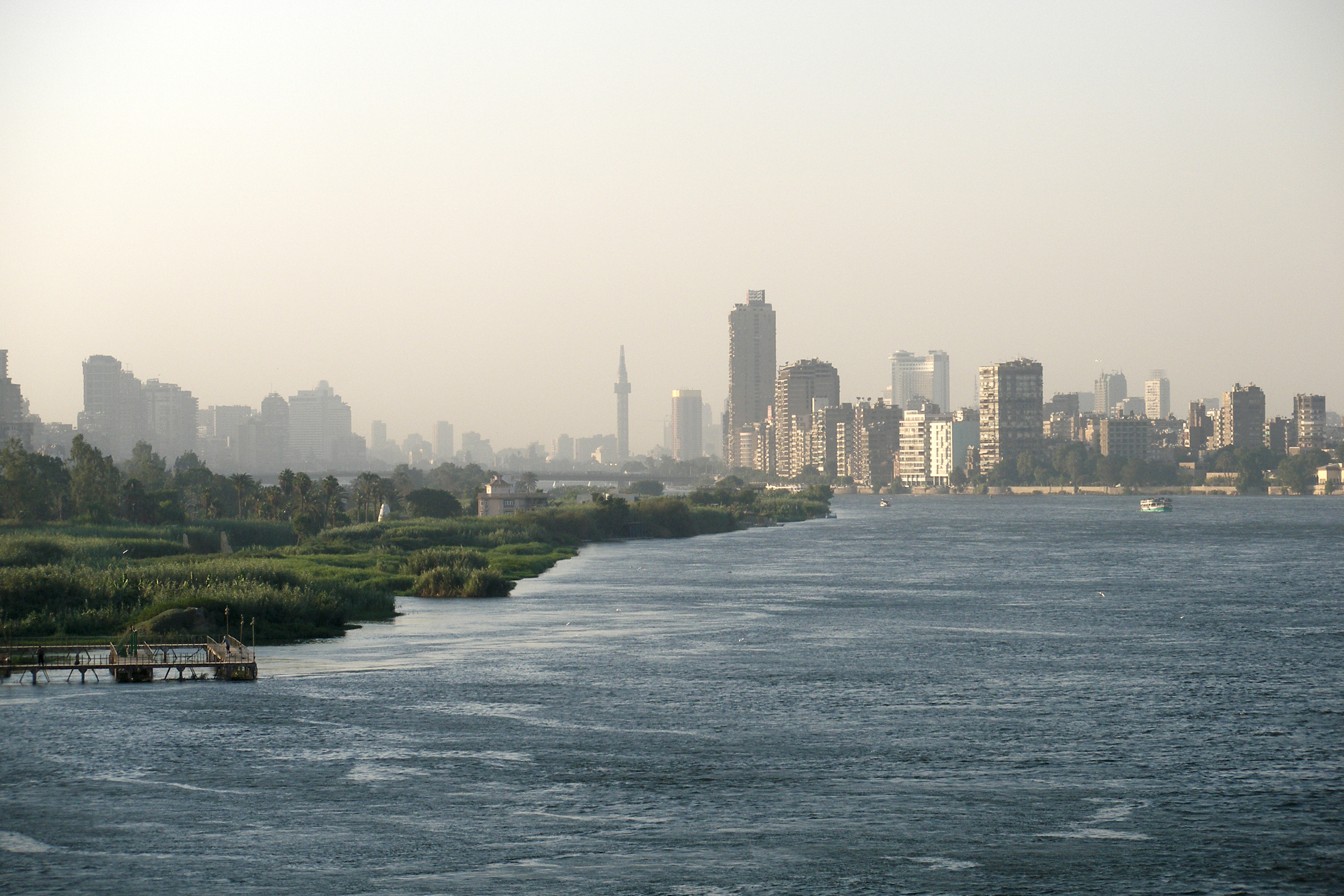
The Nile is the great river of northeastern Africa and the geographical foundation of ancient Egyptian civilization. Its annual flooding historically supplied water and fertile silt to the otherwise arid Nile Valley and Delta.

The Nile forms an important background to the biblical accounts concerning Egypt. The infant Moses was placed among the reeds along the river, the first plague turned its waters to blood, and the prophets repeatedly used the Nile as a symbol of Egypt's wealth and power.

Biblical texts often simply call the Nile "the river" or refer to its branches and canals.

Nile

Biblical Significance

Pharaoh ordered Hebrew male infants to be thrown into the Nile. Moses' mother instead placed him in a basket among the reeds at the riverbank, where Pharaoh's daughter discovered him.

During Moses' confrontation with Pharaoh, the Nile became the setting of the first plague. Its waters were struck and turned to blood, demonstrating God's judgment upon Egypt.

The prophets later used the Nile in oracles concerning Egypt. Isaiah, Jeremiah, and Ezekiel describe the river and its waters in connection with Egyptian agriculture, commerce, political pride, and divine judgment.

Historical Background

Egyptian civilization depended upon the Nile. Before the construction of modern dams, seasonal inundation deposited fertile soil along the valley and allowed intensive agriculture within an otherwise desert environment.

The river also served as Egypt's principal transportation artery. Boats carried people, stone, grain, livestock, military forces, and trade goods between Upper and Lower Egypt.

Ancient Egyptian religion treated the river and its inundation as central to the maintenance of life and cosmic order, making biblical events involving the Nile especially significant within their Egyptian setting.

Modern Identification

The biblical Nile is unquestionably the modern Nile River of northeastern Africa.

Its ancient course through Egypt broadly corresponds to the modern river, although the Delta's distributary branches have changed substantially over time and modern dams have transformed the traditional flood cycle.

Specific biblical events along the Nile generally cannot be assigned to exact modern locations unless additional geographical information is provided by the text.

Scripture References

Related Resources

Sources

Bible: Genesis 41, Exodus 1:22, Exodus 2:1-10, Exodus 7:14-25, Isaiah 19:5-10, Isaiah 23:3, Jeremiah 46:7-8, Ezekiel 29:1-10; ancient Egyptian texts; historical and geographical studies of the Nile Valley and Delta