
Bible Location

Nineveh

Also known as: Nineveh Capital of Assyria
A Visit With Jesus

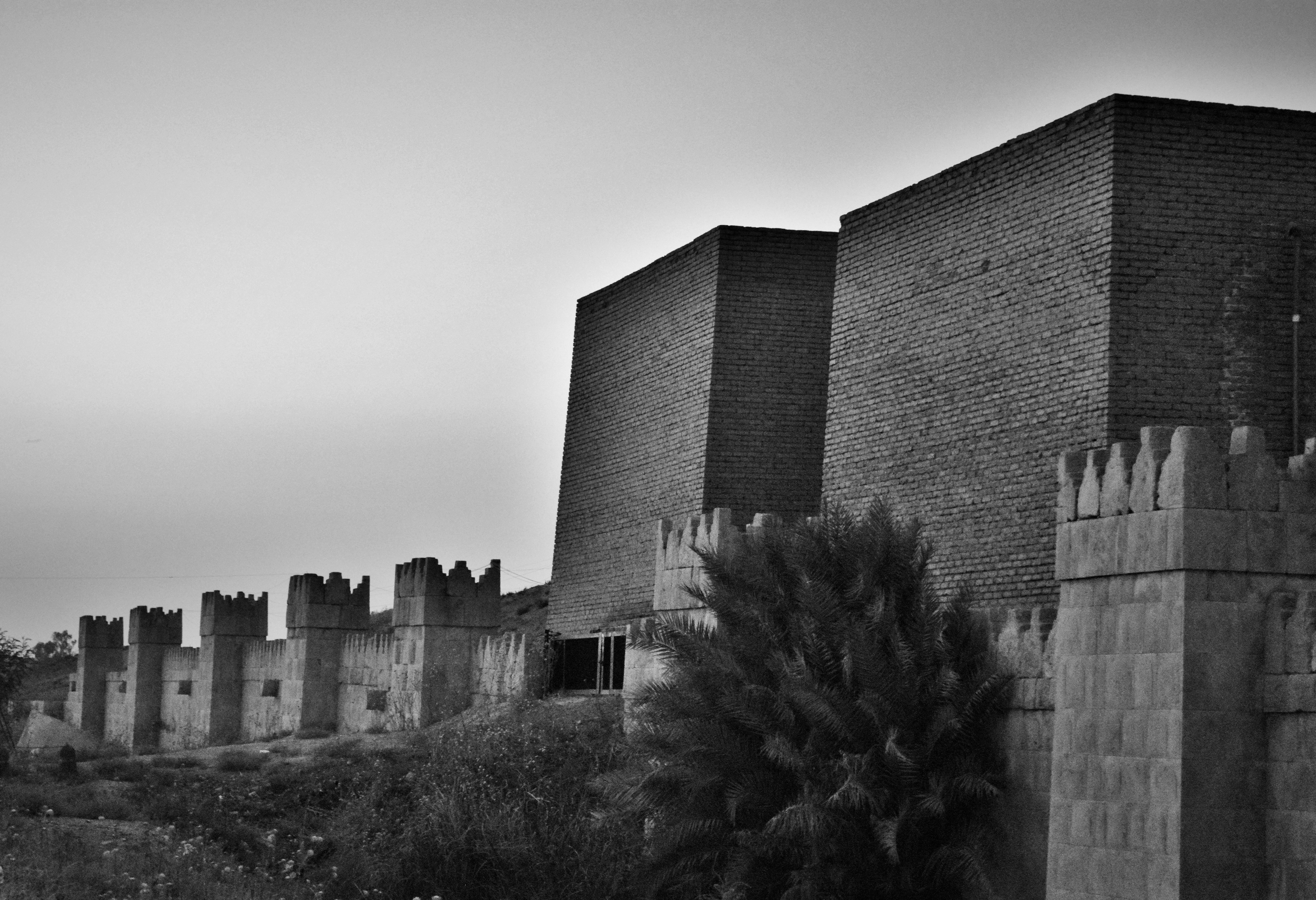
Nineveh was one of the greatest cities of the ancient Assyrian Empire and became its final imperial capital. It stood on the eastern bank of the Tigris River opposite the center of modern Mosul in northern Iraq.

Nineveh is best known biblically as the city to which the prophet Jonah was sent to proclaim judgment. It also appears in accounts and prophecies concerning Assyria, including the reign of Sennacherib and the eventual destruction of the Assyrian capital.

The ancient city is securely identified with the great mounds of Kuyunjik and Nebi Yunus.

Nineveh

Biblical Significance

Genesis includes Nineveh among the great cities associated with ancient Assyria. During the monarchy, Nineveh became closely connected with the Assyrian power that threatened and conquered much of the biblical world.

After his unsuccessful campaign against Jerusalem, Sennacherib returned to Nineveh. Second Kings records that he was later assassinated while worshiping in the temple of his god.

The book of Jonah centers upon God's command that Jonah preach against Nineveh because of its wickedness. After Jonah eventually proclaimed the warning, the Ninevites repented, and the threatened destruction was withheld.

The prophet Nahum later announced Nineveh's downfall. The city fell to a coalition of Babylonian and Median forces in 612 BC, bringing the Assyrian imperial center to an end.

Historical Background

Nineveh was an ancient settlement long before it became the Assyrian capital. Its greatest expansion occurred under Sennacherib, who transferred the imperial capital there and undertook enormous construction projects.

Sennacherib built his "Palace Without Rival," expanded the city's defenses, and constructed an elaborate system of canals and aqueducts to supply water.

Later, Ashurbanipal assembled a great royal library at Nineveh containing thousands of cuneiform tablets. Texts discovered there have transformed modern knowledge of Mesopotamian literature, religion, science, and administration.

In 612 BC Babylonian and Median forces captured and devastated Nineveh during the collapse of the Assyrian Empire.

Modern Identification

Ancient Nineveh is securely identified with extensive archaeological remains on the eastern side of the Tigris at modern Mosul in northern Iraq.

The principal mounds are Kuyunjik and Nebi Yunus, enclosed within the line of the ancient city walls.

Archaeological excavations have uncovered Assyrian palaces, reliefs, inscriptions, gates, temples, and thousands of cuneiform tablets, leaving no significant uncertainty concerning the identification.

Scripture References

Related Resources

Sources

Bible: Genesis 10:11-12, 2 Kings 19:36-37, Isaiah 37:37, Jonah 1-4, Nahum 1-3, Zephaniah 2:13-15; Assyrian royal inscriptions; Babylonian Chronicles; archaeological excavations at Nineveh; Sennacherib and Ashurbanipal palace archives and inscriptions