
Bible Location

Nimrud

Also known as: Nimrud later name for the Assyrian city of Calah
A Visit With Jesus

Nimrud is the modern archaeological name for ancient Kalhu, the city called Calah in many English translations of Genesis. Located south of Nineveh near the Tigris and Great Zab Rivers, it became one of the principal royal cities of the Assyrian Empire.

Genesis includes Calah among the great cities associated with the early Mesopotamian kingdom described in the account of Nimrod and Asshur.

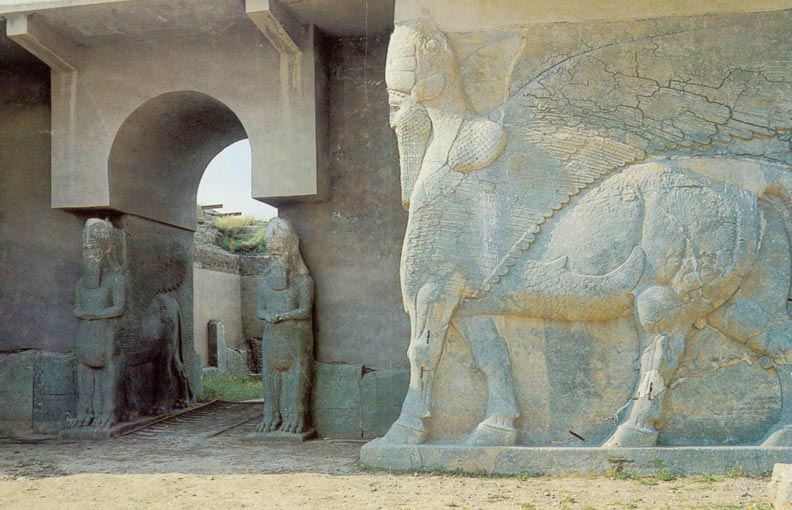
Centuries later the Assyrian king Ashurnasirpal II transformed Kalhu into an imperial capital. Excavations at Nimrud have uncovered palaces, temples, monumental sculptures, inscriptions, ivories, and royal archives.

Nimrud

Biblical Significance

Genesis 10 places Calah among the important cities of ancient Assyria and Mesopotamia. The Hebrew text has generated discussion concerning whether Nimrod or Asshur is the subject of the statement describing the construction of Nineveh, Rehoboth-Ir, Calah, and Resen.

Although Calah receives little direct attention elsewhere in the Bible, it became one of the principal administrative and military centers of the Assyrian Empire that later dominated the kingdoms of Israel and Judah.

Assyrian kings who ruled from or developed Kalhu conducted campaigns throughout the Levant, and inscriptions and artworks recovered from the city contain important evidence concerning biblical Israel.

Historical Background

The ancient Assyrian name of the city was Kalhu. The site was occupied long before the height of the Assyrian Empire, but its greatest transformation occurred under Ashurnasirpal II in the ninth century BC.

Ashurnasirpal made Kalhu his royal capital and constructed an enormous Northwest Palace decorated with carved stone reliefs and colossal guardian figures.

Among the most famous discoveries at Nimrud is the Black Obelisk of Shalmaneser III, which depicts tribute from Jehu of Israel. Royal correspondence recovered from the site also illuminates Assyrian administration during the period when Assyria increasingly intervened in Israel and Judah.

Kalhu remained a major Assyrian city until the collapse of the empire near the end of the seventh century BC.

Modern Identification

Ancient Kalhu or biblical Calah is securely identified with the archaeological site known as Nimrud in northern Iraq, south of modern Mosul.

The name Nimrud is much later than the Assyrian city and should not be confused with proof that the biblical person Nimrod personally founded or lived at this archaeological site.

The identification of Nimrud with ancient Kalhu is established by Assyrian inscriptions and archaeology.

Scripture References

Related Resources

Sources

Bible: Genesis 10:8-12; Assyrian royal inscriptions; Black Obelisk of Shalmaneser III; Nimrud Letters; archaeological excavations of Kalhu/Nimrud; studies of the Northwest Palace and Assyrian imperial administration