
Bible Location

Mount Zion

A Visit With Jesus

Mount Zion is one of the most important geographical and theological names associated with Jerusalem. In its earliest biblical usage, Zion referred to the Jebusite stronghold captured by David and incorporated into the City of David.

As Jerusalem developed, the name Zion acquired a broader meaning and could refer to Jerusalem generally, particularly as the city of God and the location of His sanctuary.

Later Jewish and Christian tradition applied the name Mount Zion to the southwestern hill of Jerusalem, creating an important distinction between the earliest biblical location of Zion and the hill called Mount Zion today.

Mount Zion

Biblical Significance

Second Samuel 5 records David's capture of the Jebusite stronghold of Zion, which became the City of David. David established Jerusalem as his capital and subsequently brought the Ark of the Covenant into the city.

Zion became increasingly associated with God's presence, kingship, Temple, and covenant promises. The Psalms frequently celebrate Zion as God's chosen dwelling place and the city of the great King.

The prophets use Zion both geographically and symbolically. Zion may represent Jerusalem, its inhabitants, the covenant people, or the restored city anticipated in prophetic hope.

The New Testament continues this theological use. Hebrews contrasts earthly Sinai with Mount Zion and the heavenly Jerusalem, while Revelation depicts the Lamb standing on Mount Zion.

Historical Background

The original stronghold of Zion captured by David belonged to the southeastern ridge of ancient Jerusalem, the area commonly called the City of David today.

As Jerusalem expanded northward and westward, the geographical use of the name Zion also broadened. Biblical poetry and prophecy frequently use Zion as a synonym for Jerusalem as a whole.

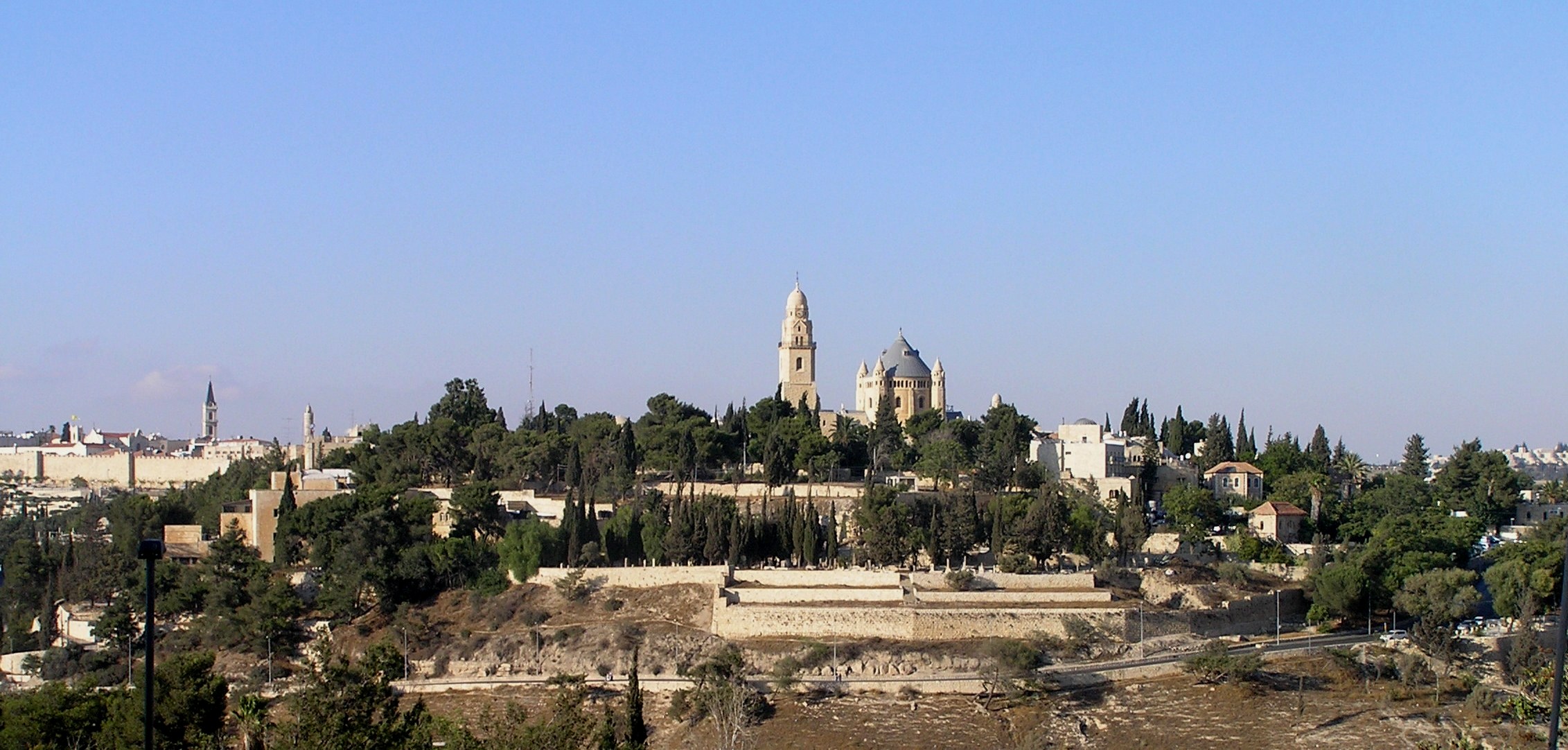
During later antiquity the name Mount Zion became attached to Jerusalem's southwestern hill. Christian traditions associated that area with events including the Last Supper and the early Jerusalem church.

Modern Identification

The earliest biblical Zion should be identified with the City of David on Jerusalem's southeastern ridge, rather than automatically with the hill presently called Mount Zion.

The modern Mount Zion lies southwest of the Temple Mount outside the present Old City walls. The transfer of the name to this hill occurred in later tradition.

AVWJ should preserve this distinction because both locations are historically important but represent different stages in the use of the name Zion.

Scripture References

Related Resources

Sources

Bible: 2 Samuel 5:6-10, 1 Kings 8, Psalms 2:6, Psalms 48, Psalms 87, Psalms 132, Isaiah 2:3, Isaiah 52, Micah 4:2, Hebrews 12:22, Revelation 14:1; archaeological and historical studies of the City of David and ancient Jerusalem