
Bible Location

Mount of Olives

A Visit With Jesus

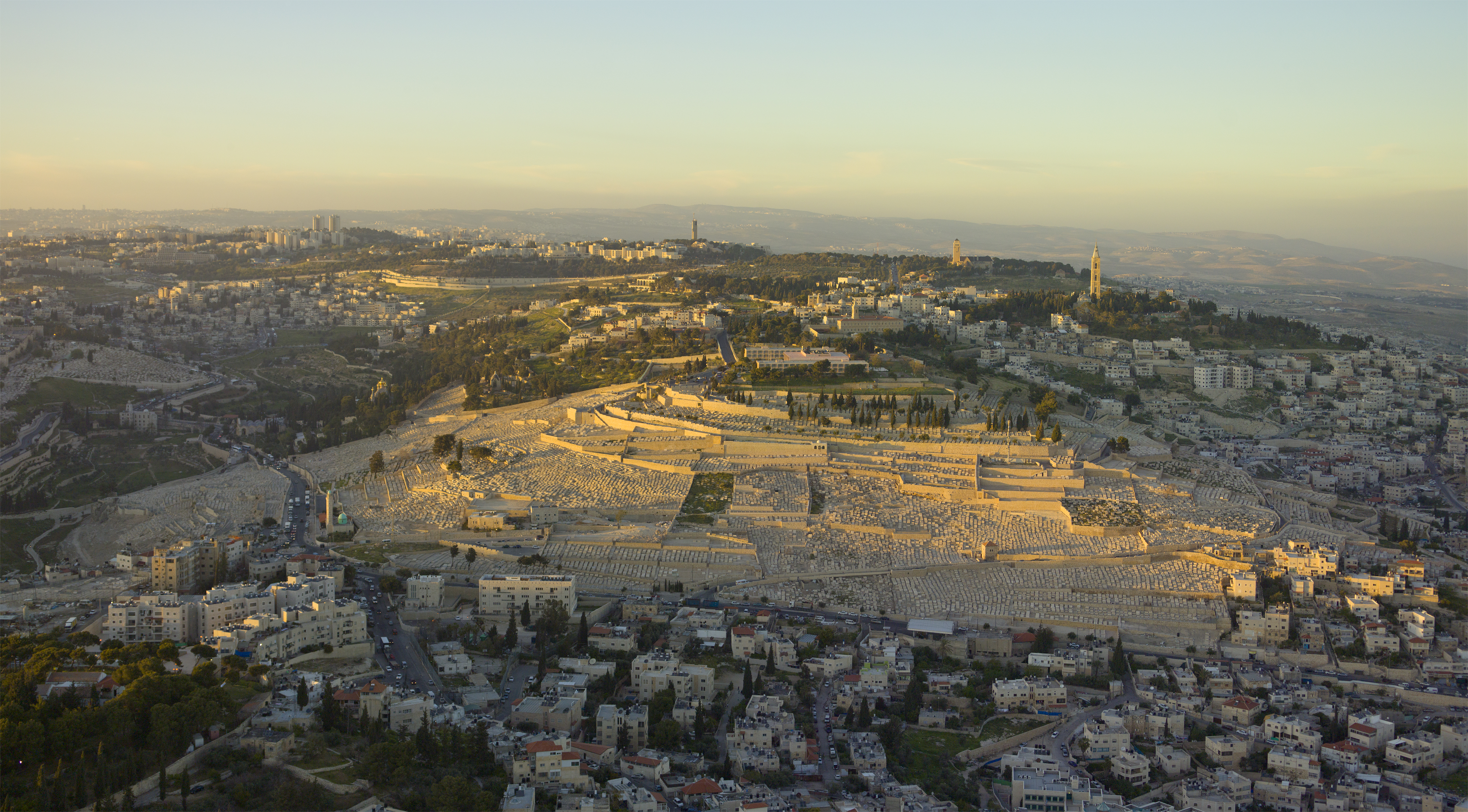
The Mount of Olives is the prominent ridge immediately east of Jerusalem, separated from the city by the Kidron Valley. Its name reflects the olive groves that historically covered its slopes.

The mountain appears in both Testaments but is particularly important in the final week of Jesus' earthly ministry. Jesus approached Jerusalem across the Mount of Olives, taught His disciples there, prayed nearby on the night of His arrest, and after His resurrection ascended from the vicinity of the mountain.

The Mount of Olives remains one of the most securely identifiable locations associated with biblical Jerusalem.

Mount of Olives

Biblical Significance

David crossed the Mount of Olives weeping and barefoot while fleeing Jerusalem during Absalom's rebellion. Solomon later established pagan high places on the mountain east of Jerusalem, which King Josiah subsequently defiled during his reforms.

Zechariah gives the Mount of Olives a prominent role in his prophetic description of the day of the Lord.

In the New Testament, Jesus approached Jerusalem from Bethany and Bethphage by way of the Mount of Olives during His triumphal entry. From the mountain He delivered the discourse concerning Jerusalem and future events recorded in the Synoptic Gospels.

Jesus went to the Mount of Olives on the night of His betrayal, with Gethsemane situated on or near its western foot. Acts states that after His ascension the disciples returned to Jerusalem from the mount called Olivet.

Historical Background

The Mount of Olives is a north-south ridge overlooking Jerusalem from the east. The Kidron Valley separates it from the Temple Mount and the ancient city.

Its position provides one of the most commanding views of Jerusalem and explains its repeated role in movements approaching or departing the city from the east.

The slopes and summit contain extensive ancient burial grounds. Jewish burial on the mountain developed over many centuries, reflecting its proximity to Jerusalem and later religious traditions concerning resurrection and the coming of the Messiah.

Christian churches and memorial sites from Byzantine and later periods preserve traditions concerning Jesus' teaching, prayer, and ascension.

Modern Identification

The Mount of Olives is securely identified with the ridge immediately east of Jerusalem's Old City across the Kidron Valley.

The mountain itself is certain, but many individual locations associated with particular Gospel events depend upon ancient tradition rather than archaeological proof.

Gethsemane, Bethphage, the traditional ascension site, and locations associated with Jesus' teaching should therefore be distinguished according to the strength of evidence for each specific identification.

Scripture References

Related Resources

Sources

Bible: 2 Samuel 15:30, 1 Kings 11:7, 2 Kings 23:13, Zechariah 14:4, Matthew 21:1, Matthew 24:3, Matthew 26:30-36, Mark 11-14, Luke 19:29-44, Luke 21:37, Luke 22:39, Acts 1:9-12; Josephus; archaeological and historical studies of Jerusalem and the Mount of Olives