
Bible Location

Mount Hermon

A Visit With Jesus

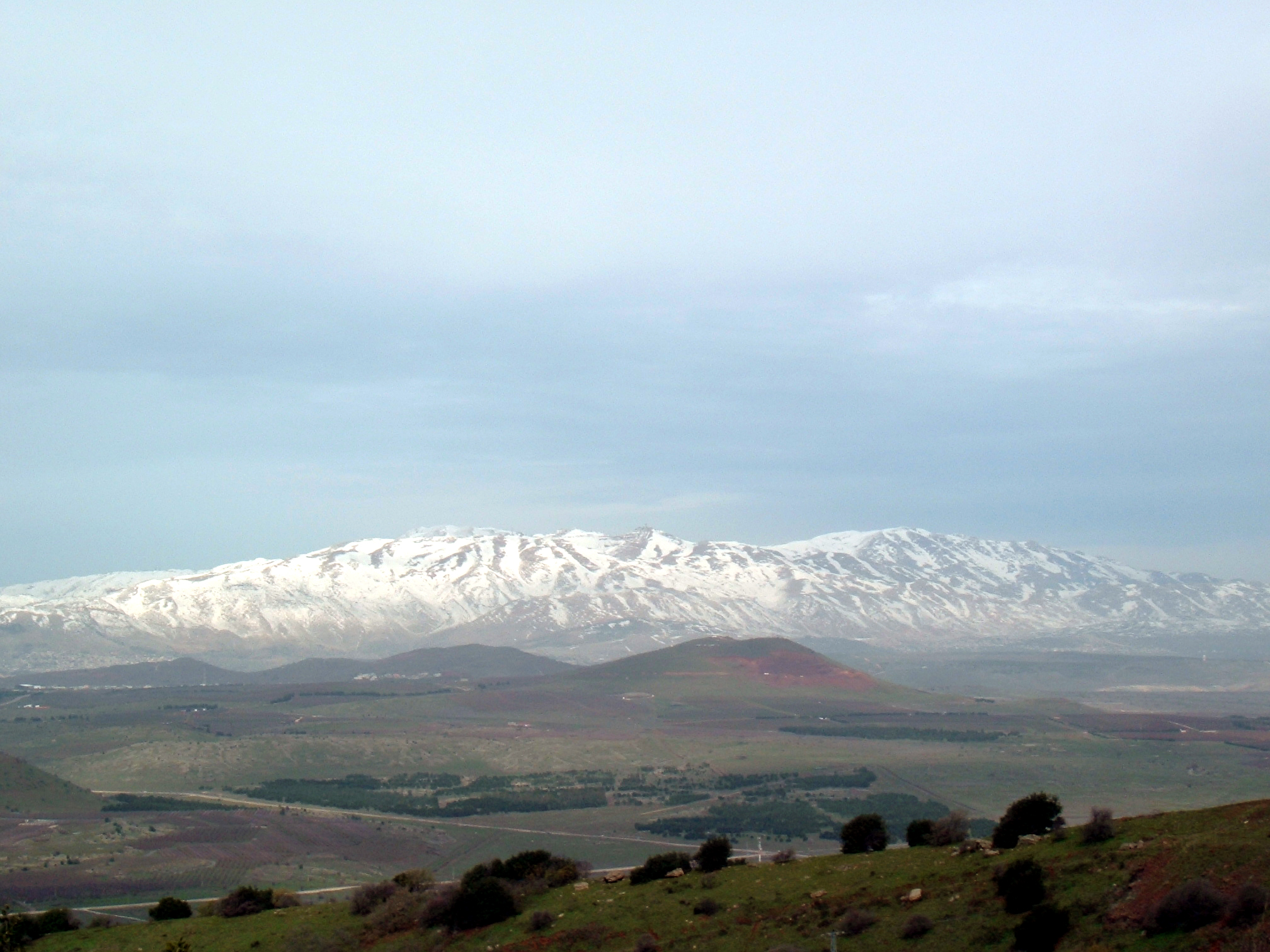
Mount Hermon is the great mountain massif rising at the northern end of the biblical land. Its snow-covered summit dominates the surrounding region and feeds important springs and streams that contribute to the headwaters of the Jordan River.

Hermon appears repeatedly in biblical descriptions of Israel's northern geography and is celebrated poetically for its height, moisture, and beauty.

The mountain forms part of the Anti-Lebanon range and today lies along the borders of Lebanon, Syria, and territory controlled by Israel.

Mount Hermon

Biblical Significance

Deuteronomy and Joshua use Mount Hermon as an important northern geographical landmark when describing territory east and north of the Jordan.

The mountain was known by several names among neighboring peoples. Deuteronomy states that the Sidonians called Hermon Sirion while the Amorites called it Senir.

Psalm 133 uses the dew of Hermon as an image of abundant blessing, while Psalm 89 joins Tabor and Hermon in praise of God.

The New Testament does not name Hermon directly. Because Caesarea Philippi lies near its southern base, some interpreters have proposed Hermon as the location of the Transfiguration, but the Gospels do not identify the mountain.

Historical Background

Mount Hermon rises to more than 2,800 meters and is one of the most prominent mountains of the Levant. Winter snow and precipitation make the massif an important water source for the surrounding region.

Its position at the intersection of ancient territories made Hermon an important geographical and cultural landmark. Ancient sanctuaries and inscriptions found around the mountain indicate religious activity there during multiple periods.

The mountain's visibility and distinctive snowy summit explain its frequent use as a geographical marker in ancient descriptions.

Modern Identification

Biblical Mount Hermon is securely identified with the modern Mount Hermon massif in the Anti-Lebanon range.

The massif spans modern political boundaries, so the biblical mountain should not be represented as belonging exclusively to one modern country.

Although Hermon is a plausible candidate for the unnamed mountain of Jesus' Transfiguration because of its proximity to Caesarea Philippi, AVWJ should identify that association as a proposal rather than a biblical fact.

Scripture References

Related Resources

Sources

Bible: Deuteronomy 3:8-9, Deuteronomy 4:48, Joshua 11:3-17, Joshua 12:1-5, Joshua 13:5-11, Judges 3:3, 1 Chronicles 5:23, Psalms 42:6, Psalms 89:12, Psalms 133:3; historical geography and archaeological studies of Mount Hermon