
Bible Location

Mount Ephraim

Also known as: Mount Ephraim (Hill Country of Ephraim)
A Visit With Jesus

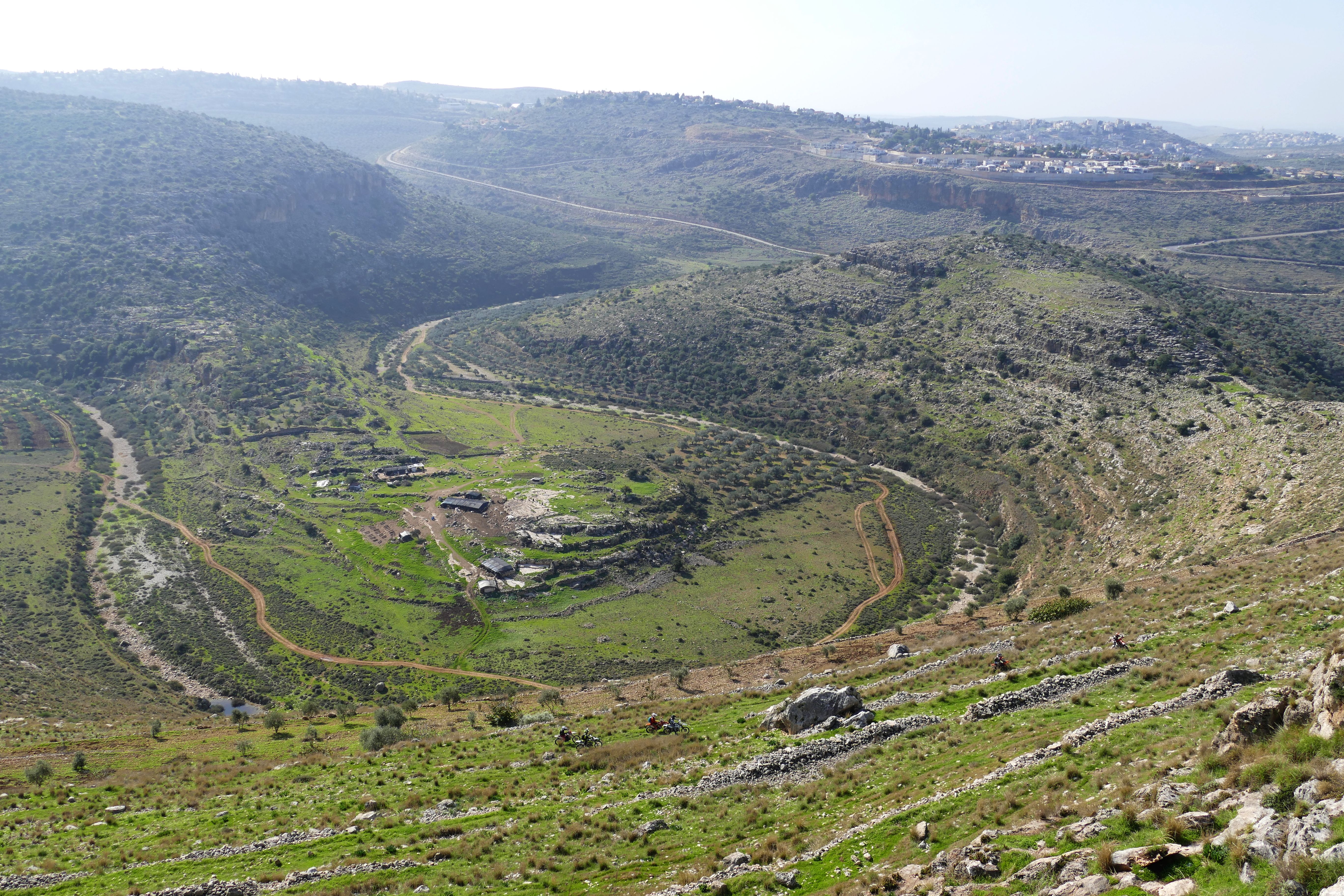
Mount Ephraim, more accurately called the hill country of Ephraim, was the mountainous central region occupied principally by the tribe of Ephraim. It was not a single mountain such as Mount Ebal or Mount Gerizim.

The region contained important biblical locations including Shiloh, where the tabernacle stood during the period of the judges, and lay near Shechem, Bethel, and other major centers of Israelite life.

The hill country of Ephraim became part of the geographical heartland of the northern kingdom of Israel.

Mount Ephraim

Biblical Significance

Joshua describes Ephraim receiving territory in the central highlands of Canaan. The expression "Mount Ephraim" or "hill country of Ephraim" subsequently occurs repeatedly as a regional designation.

Joshua himself was buried at Timnath-serah in the hill country of Ephraim. During the period of the judges, Ehud summoned Israelites from the hill country of Ephraim, and Deborah lived in the region between Ramah and Bethel.

Samuel's family is introduced as coming from Ramathaim-zophim in the hill country of Ephraim.

The region later formed an important part of the northern kingdom and was associated closely with the tribe whose name sometimes became a designation for the northern kingdom itself.

Historical Background

The hill country of Ephraim occupies the central highlands north of the territory traditionally associated with Benjamin and south of much of Manasseh.

Its valleys and western slopes offered considerably more agricultural potential than some parts of the Judean highlands. Olive cultivation, vineyards, grain production, and pastoral activity supported numerous settlements.

Archaeological surveys have documented substantial settlement growth in the central highlands during the early Iron Age, a development central to discussions concerning the emergence of ancient Israel.

Modern Identification

Mount Ephraim should be understood as a region rather than an individual peak. It corresponds broadly to the central hill country north of Jerusalem and extending through the territory traditionally associated with Ephraim.

The inherited AVWJ `wiki_name` value "Mount Ephraim (Ebal)" is misleading. Mount Ebal is a specific mountain immediately north of Shechem, whereas Mount Ephraim is a much larger highland region.

AVWJ should therefore present this record as "Hill Country of Ephraim" or "Mount Ephraim" without identifying it with Mount Ebal.

Scripture References

Related Resources

Sources

Bible: Joshua 17:15, Joshua 19:50, Joshua 20:7, Joshua 24:30, Judges 2:9, Judges 3:27, Judges 4:5, Judges 7:24, 1 Samuel 1:1; historical geography and archaeological surveys of the central highlands and territory of Ephraim