
Bible Location

Mount Carmel

A Visit With Jesus

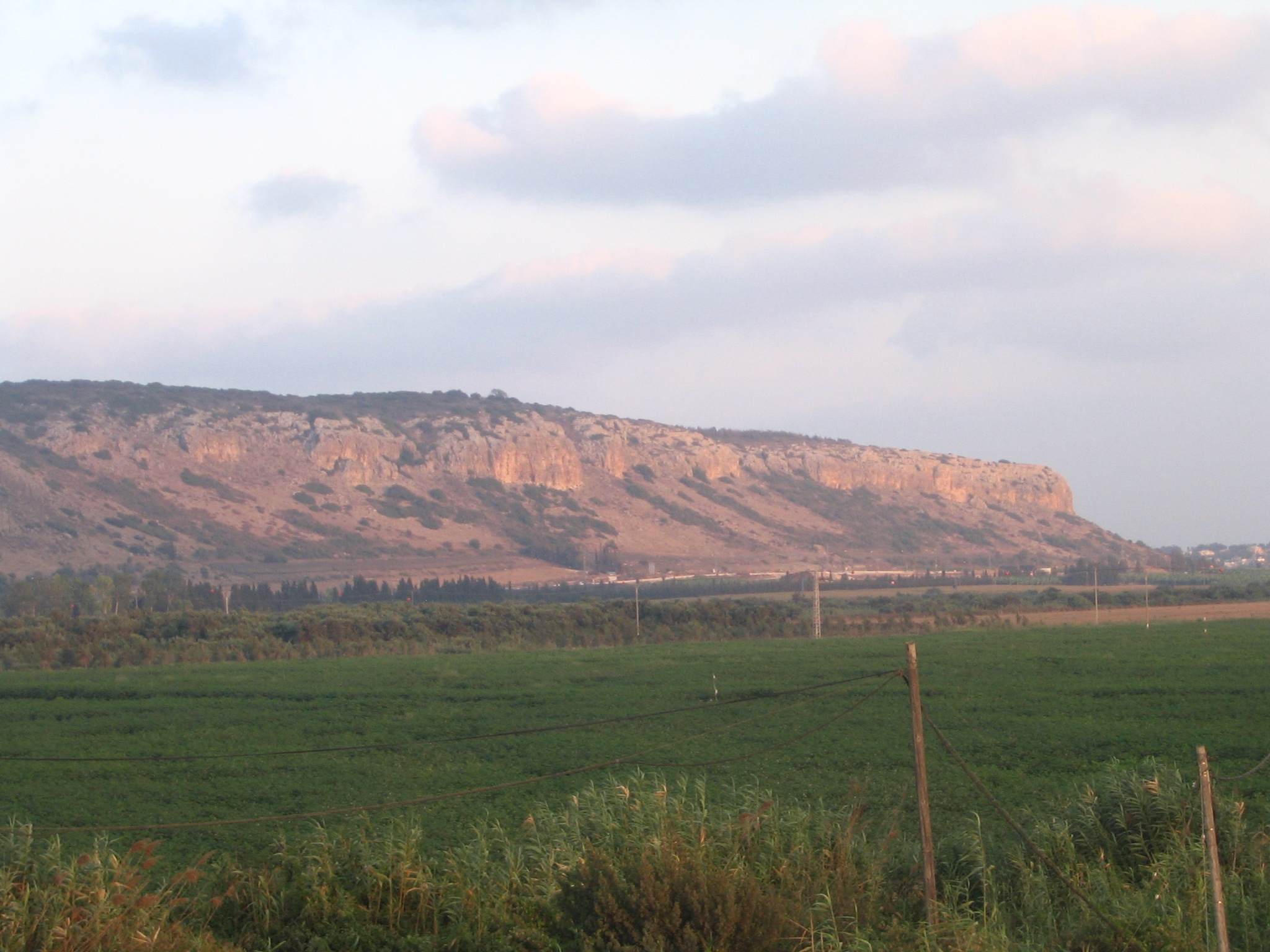
Mount Carmel is a prominent mountain ridge extending northwestward toward the Mediterranean Sea from the central highlands of northern Israel. Its fertile slopes and forests made Carmel a biblical symbol of beauty and abundance.

Mount Carmel is especially associated with the prophet Elijah and his confrontation with the prophets of Baal during the reign of Ahab. Elijah challenged Israel to choose between the Lord and Baal, and God answered Elijah's sacrifice with fire.

The Carmel ridge remains a clearly identifiable geographical feature today.

Mount Carmel

Biblical Significance

Mount Carmel appears in descriptions of the territory and landscape of Israel, but its most famous biblical association is the contest between Elijah and the prophets of Baal in 1 Kings 18.

During a severe drought, Elijah summoned King Ahab, the people of Israel, and the prophets of Baal to Carmel. He challenged the people concerning their divided loyalty and proposed that the God who answered by fire should be recognized as God.

After the prophets of Baal failed to receive an answer, Elijah repaired the altar of the Lord, prepared the sacrifice, and prayed. Fire fell and consumed the offering. The people responded by confessing that the Lord is God.

From Carmel, Elijah subsequently watched for the return of rain and saw a small cloud rising from the Mediterranean Sea.

Historical Background

The Carmel ridge forms a major geographical barrier between the coastal plain and the Jezreel Valley. Its elevation and projection toward the Mediterranean make it a prominent landmark.

The Hebrew name Carmel is associated with fruitful or cultivated land, and biblical writers repeatedly use Carmel as an image of fertility and natural beauty.

The precise location on the extensive ridge where Elijah's confrontation occurred is not identified in Scripture. Later tradition associates the event with the southeastern end of the ridge at a location known as el-Muhraqa.

Modern Identification

Mount Carmel is securely identified with the modern Carmel mountain range in northern Israel, extending southeastward from the Mediterranean coast near Haifa.

The identification of the range is certain, but the precise site of Elijah's altar and confrontation with the prophets of Baal cannot be demonstrated archaeologically.

El-Muhraqa is a longstanding traditional location and offers geographical features consistent with the narrative, but AVWJ should identify it as traditional rather than certain.

Scripture References

Related Resources

Sources

Bible: Joshua 12:22, Joshua 19:26, 1 Samuel 15:12, 1 Kings 18:19-46, 2 Kings 2:25, 2 Kings 4:25, Song of Solomon 7:5, Isaiah 35:2, Amos 1:2; historical geography and archaeological studies of Mount Carmel