
Bible Location

Tel Megiddo

Also known as: Megiddo
A Visit With Jesus

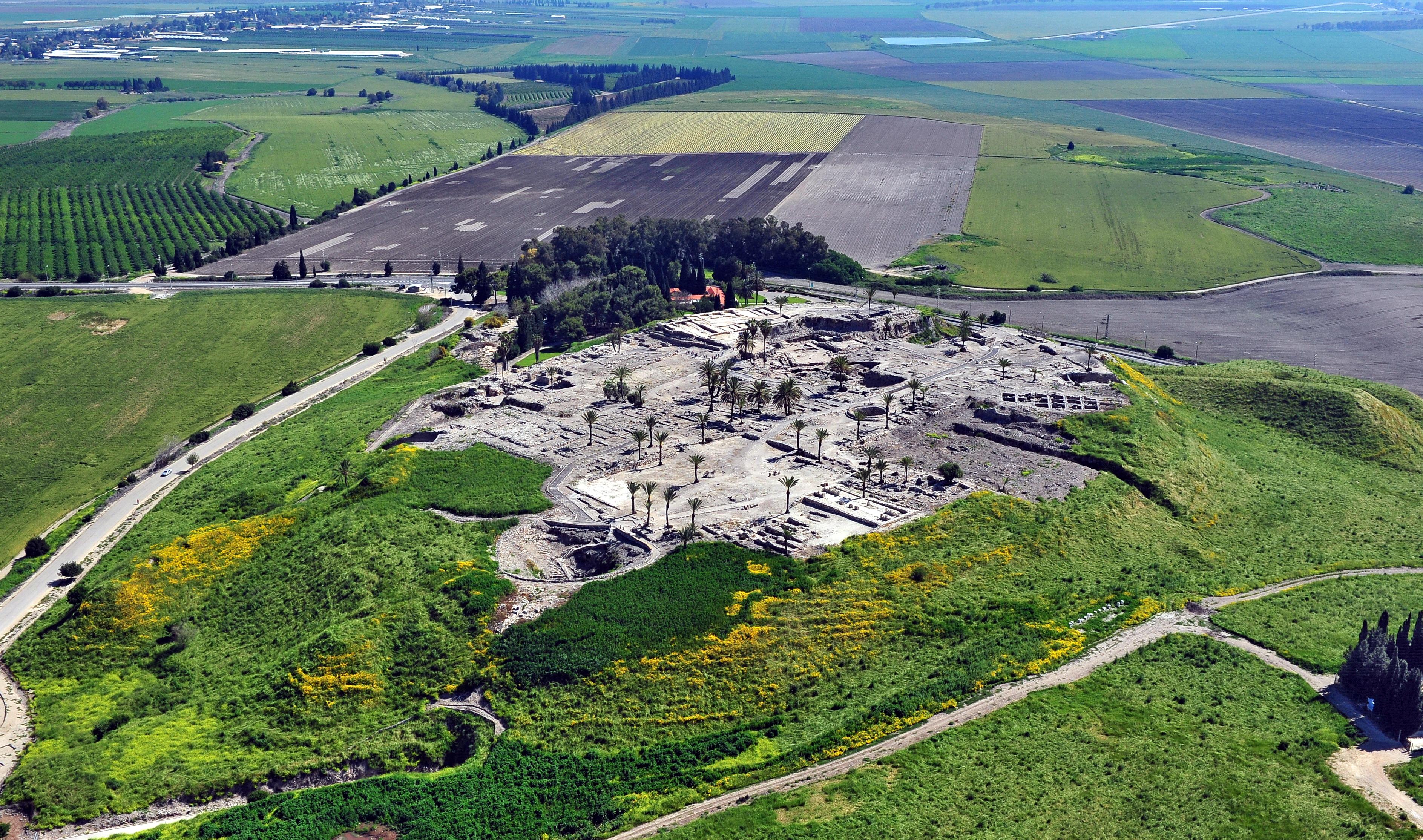
Megiddo was one of the most strategically important cities of ancient Canaan and Israel. It occupied a commanding position above the Jezreel Valley where a major international route passed through the Carmel range.

Because armies traveling between Egypt and Syria frequently passed through this corridor, Megiddo and its surrounding plain witnessed numerous military campaigns over many centuries.

The biblical city is securely identified with Tel Megiddo, also known as Tell el-Mutesellim. The name later contributed to the New Testament term Armageddon.

Tel Megiddo

Biblical Significance

Joshua lists the king of Megiddo among the Canaanite rulers defeated during Israel's conquest, although Judges indicates that the tribe of Manasseh initially failed to drive out the inhabitants of Megiddo.

Megiddo later became an important administrative city during the Israelite monarchy. First Kings associates Megiddo with Solomon's building activities.

King Ahaziah of Judah died following the revolt of Jehu after fleeing toward Megiddo. More famously, King Josiah confronted Pharaoh Neco near Megiddo and was mortally wounded, an event remembered as a national tragedy.

Revelation 16 uses the name Harmagedon or Armageddon, traditionally understood as "Mount of Megiddo," for the place associated symbolically with the final gathering of kings for battle.

Historical Background

Megiddo controlled the entrance to the Wadi Ara pass, one of the principal routes linking Egypt and the southern Levant with the Jezreel Valley, Galilee, Syria, and Mesopotamia. This strategic position accounts for the city's extraordinary military importance.

The mound contains more than thirty settlement layers extending across thousands of years. Bronze Age Megiddo was a major Canaanite city and appears in Egyptian records.

Pharaoh Thutmose III fought a famous battle at Megiddo in the fifteenth century BC and subsequently besieged the city. Egyptian accounts of this campaign provide one of the earliest detailed descriptions of an ancient military battle.

Iron Age Megiddo contained monumental gates, palaces, fortifications, water installations, and large pillared structures whose functions and dates have generated extensive archaeological discussion. Assyria captured the city in the eighth century BC and incorporated the region into its provincial system.

Modern Identification

Biblical Megiddo is securely identified with Tel Megiddo, Tell el-Mutesellim, overlooking the western side of the Jezreel Valley in northern Israel.

The geographical position, ancient Egyptian records, archaeological remains, and continuity of the historical name make the identification certain.

The modern mound preserves remains from many different periods. Individual structures should therefore be dated independently rather than automatically assigned to Solomon or another biblical ruler.

Scripture References

Related Resources

Sources

Bible: Joshua 12:21, Joshua 17:11, Judges 1:27, Judges 5:19, 1 Kings 4:12, 1 Kings 9:15, 2 Kings 9:27, 2 Kings 23:29-30, 2 Chronicles 35:20-25, Zechariah 12:11, Revelation 16:16; Egyptian records of Thutmose III; Assyrian records; archaeological excavations at Tel Megiddo