
Bible Location

Marah (Bible)

Also known as: Marah
A Visit With Jesus

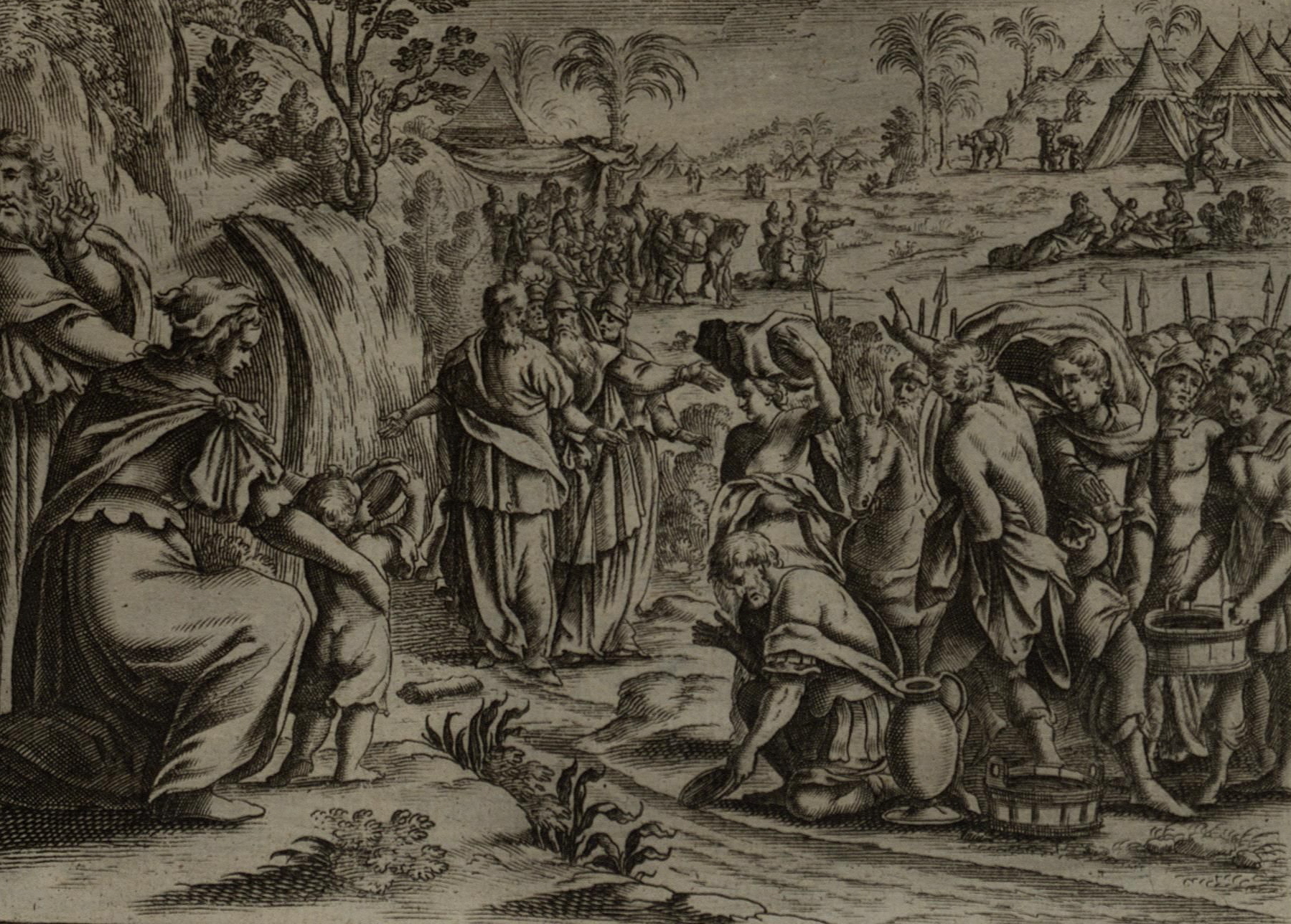
Marah was an oasis or watering place encountered by the Israelites shortly after crossing the sea during the Exodus. After traveling three days into the wilderness without finding water, they reached Marah but discovered that its water was too bitter to drink.

At God's direction Moses threw a piece of wood into the water, after which the water became drinkable. The name Marah is associated with the Hebrew word for bitterness.

The exact location of Marah has not been established.

Marah (Bible)

Biblical Significance

Exodus 15 places Marah immediately after the song celebrating Israel's deliverance at the sea. Moses led Israel into the wilderness of Shur, where the people traveled for three days without finding water.

When they reached Marah, they could not drink its bitter water and complained to Moses. Moses cried to the Lord, who showed him a piece of wood that he cast into the water, making it suitable to drink.

The narrative describes the event as a place of testing and connects it with God's call for Israel to listen diligently and obey His commandments.

Numbers 33 includes Marah in the itinerary of Israel's wilderness journey, placing it between the crossing of the sea and the encampment at Elim.

Historical Background

Attempts to reconstruct the Exodus itinerary depend heavily upon disputed identifications of the sea crossing, the wilderness of Shur, Elim, and Mount Sinai. Consequently, the location of Marah cannot be determined independently with confidence.

Several springs in western Sinai have been proposed because of their position along possible routes and because some contain brackish or mineral-rich water.

The biblical narrative itself provides only relative geographical information: Marah was reached after three days in the wilderness and preceded the encampment at Elim.

Modern Identification

No modern site can be securely identified as biblical Marah.

Ain Hawarah in western Sinai has frequently been proposed because of its location and brackish water, while other springs have also been suggested depending upon the proposed route of the Exodus.

AVWJ should describe Ain Hawarah, if shown on a map, only as a traditional or proposed identification and not as an established archaeological location.

Scripture References

Related Resources

Sources

Bible: Exodus 15:22-26, Numbers 33:8-9; historical-geographical studies of the Exodus itinerary and western Sinai; biblical geographical reference works concerning Marah and the wilderness of Shur