
Bible Location

Lystra

A Visit With Jesus

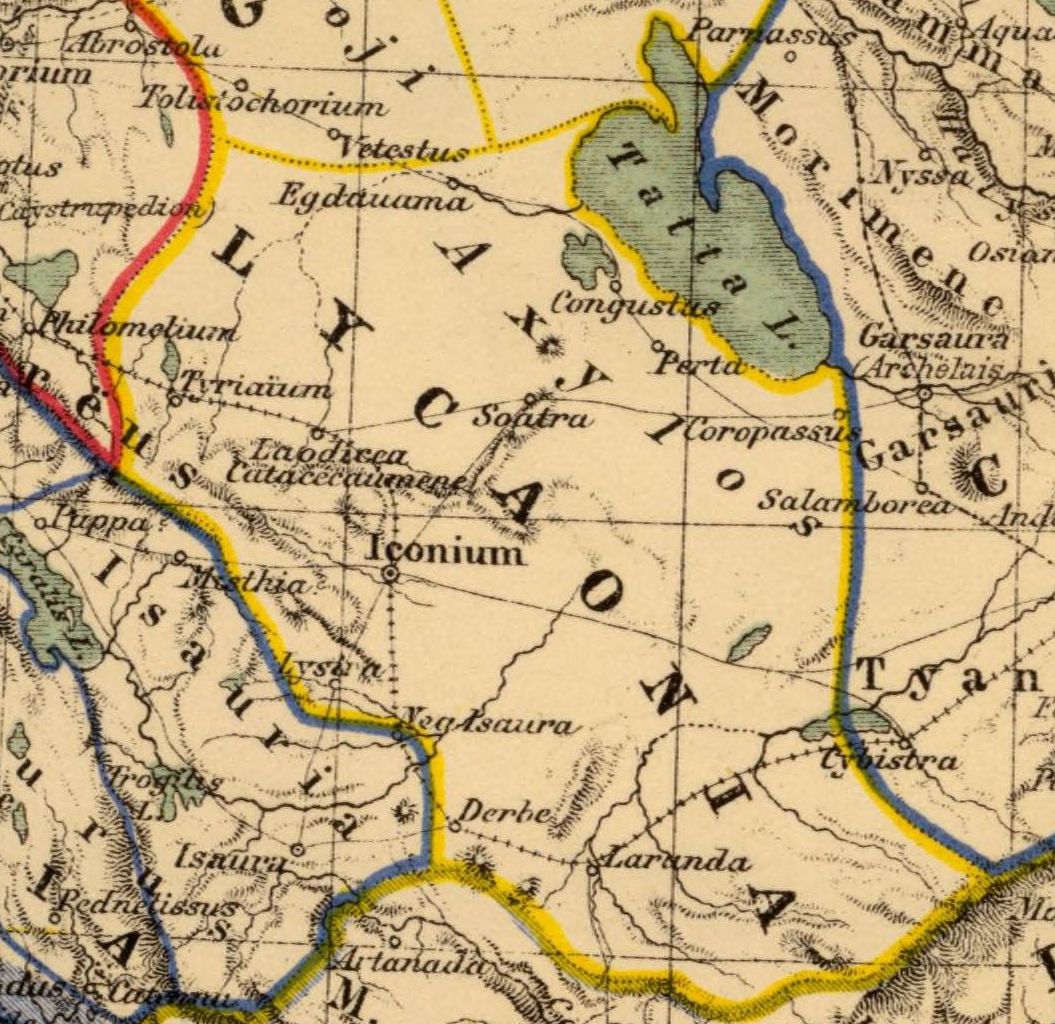
Lystra was a city of southern Asia Minor visited repeatedly by Paul during his missionary journeys. It lay in the Roman province of Galatia and contained both a local Anatolian population and people influenced by Greek and Roman culture.

At Lystra Paul healed a man unable to walk from birth. The crowd mistakenly identified Paul and Barnabas as gods and attempted to offer sacrifices to them. Soon afterward Paul was stoned and left for dead outside the city.

Lystra was also associated with Timothy, who became one of Paul's closest coworkers.

Lystra

Biblical Significance

Paul and Barnabas traveled to Lystra during their first missionary journey after opposition arose at Iconium. Paul healed a man who had been unable to walk from birth.

The crowd interpreted the miracle through their pagan religious traditions and called Barnabas Zeus and Paul Hermes. The priest of Zeus brought animals and garlands intending to offer sacrifice, but Paul and Barnabas urgently rejected the worship and called the people to turn from idols to the living God.

Opponents later arrived from Antioch and Iconium, persuaded the crowd against Paul, and stoned him. Believing him dead, they dragged him outside the city, but Paul arose and subsequently continued his mission.

Paul returned to the region on a later journey and met Timothy, a young disciple with a Jewish mother and Greek father, who then accompanied Paul in his missionary work.

Historical Background

Lystra belonged to the region of Lycaonia and became a Roman colony under Augustus. Its colonial status brought Roman political and military influence into a predominantly Anatolian cultural environment.

The account in Acts reflects this mixed setting. The inhabitants spoke the Lycaonian language while also recognizing the Greco-Roman gods Zeus and Hermes.

An inscription discovered in the region referring to a dedication to Zeus has contributed to understanding the local religious background, although it does not refer directly to the event recorded in Acts.

Modern Identification

Ancient Lystra is generally identified with the mound known as Zoldra Hoyuk near Hatunsaray, south of modern Konya in Turkey.

Inscriptions discovered in the vicinity naming Lystra provide strong support for the identification. The precise locations of Paul's preaching, healing, and stoning within the ancient settlement cannot be determined.

Scripture References

Related Resources

Sources

Bible: Acts 14:6-23, Acts 16:1-3, 2 Timothy 3:10-11; inscriptions from the Lystra region; archaeological and historical studies of Roman Galatia and Lycaonia