
Bible Location

Lycia

Also known as: Lycia Nation in Asia Minor
A Visit With Jesus

Lycia was an ancient region along the southwestern coast of Asia Minor, in what is now southwestern Turkey. Its rugged mountains, fertile valleys, and Mediterranean harbors gave the region a distinctive culture while also connecting it with major maritime routes.

Lycia appears in Acts during Paul's travels. Paul passed through the Lycian port of Patara while returning toward Jerusalem and later reached Myra in Lycia while being transported as a prisoner toward Rome.

Important Lycian cities included Xanthos, Patara, and Myra.

Lycia

Biblical Significance

Acts 21 records Paul and his companions sailing from Rhodes to Patara, an important Lycian port. There they found a ship sailing across the eastern Mediterranean toward Phoenicia and continued their journey toward Jerusalem.

Lycia appears again during Paul's voyage to Rome. After sailing along the coasts of Cilicia and Pamphylia, the ship carrying Paul reached Myra in Lycia.

At Myra the Roman centurion found an Alexandrian grain ship sailing toward Italy and transferred Paul and the other prisoners to it. This vessel subsequently encountered the storm described in Acts 27.

Historical Background

Lycia possessed a distinctive indigenous culture before coming under Persian, Hellenistic, and eventually Roman control. Lycian inscriptions preserve a local language related to the Anatolian language family.

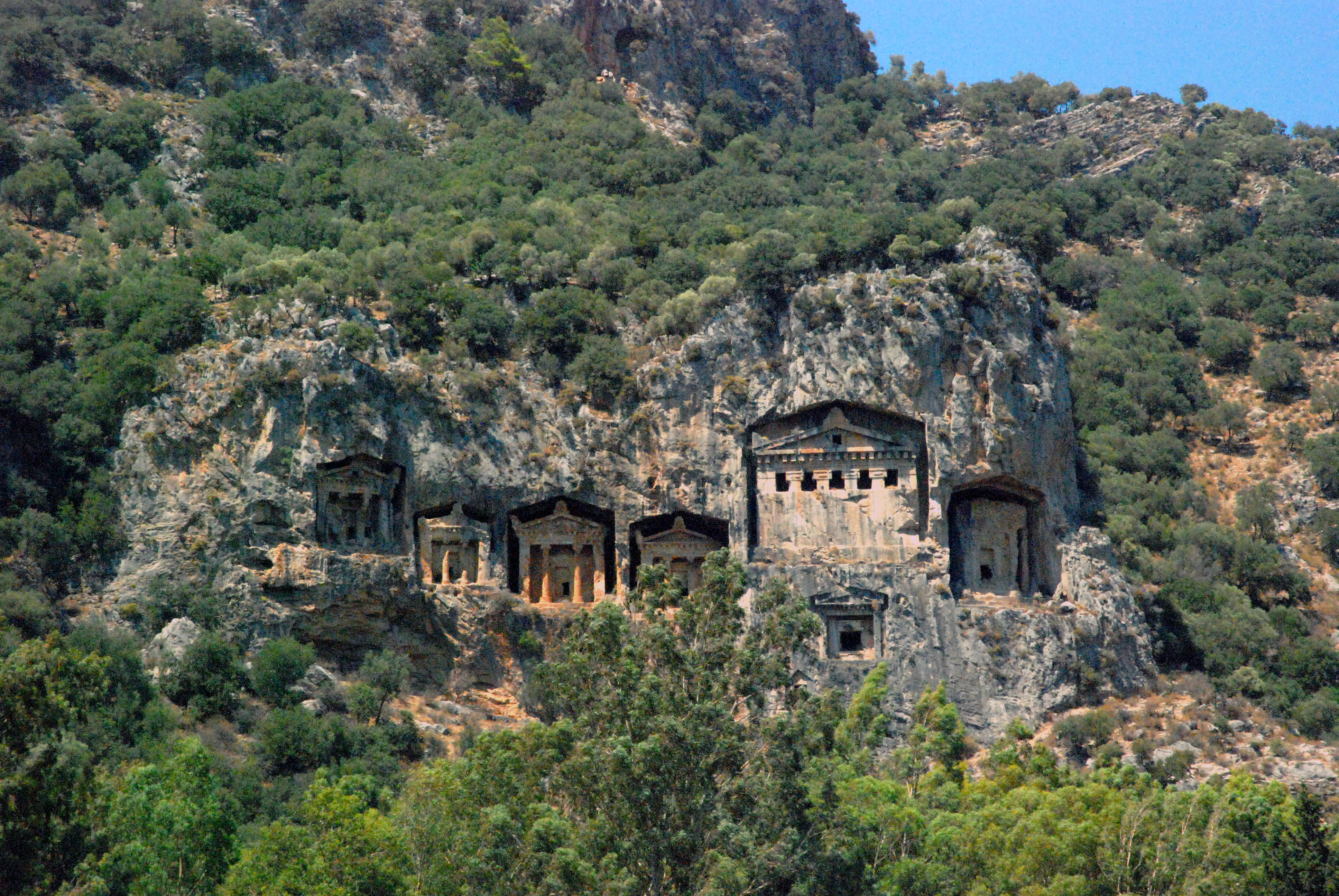
The region was famous for its rock-cut tombs and monumental funerary architecture. During the Hellenistic period Lycian cities formed a federation commonly known as the Lycian League.

Under Roman rule Lycia became increasingly integrated with neighboring Pamphylia while its ports remained important to eastern Mediterranean shipping.

Modern Identification

Ancient Lycia occupied the mountainous southwestern coast of modern Turkey, principally within portions of the present-day provinces of Antalya and Mugla.

Its historical boundaries changed over time, so Lycia should be displayed as a region rather than assigned a single modern political boundary.

Scripture References

Related Resources

Sources

Bible: Acts 21:1-2, Acts 27:5-6; ancient Greek and Roman geographical sources; inscriptions and archaeological studies of Xanthos, Patara, Myra, and the Lycian League