
Bible Location

Keilah

A Visit With Jesus

Keilah was a fortified town in the Shephelah of Judah, the foothill region between the Judean highlands and the Philistine coastal plain. Its location made it vulnerable to conflict between Judah and the Philistines.

Keilah is best known from the period when David was fleeing from King Saul. David rescued the town from Philistine raiders but later learned that its inhabitants would surrender him to Saul if he remained there.

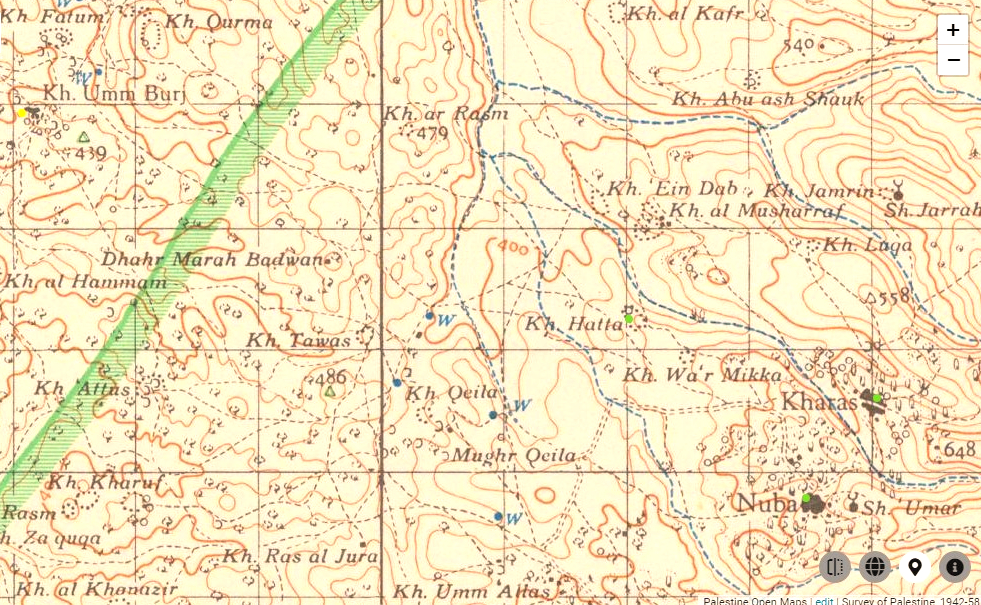
The biblical town is generally identified with Khirbet Qila, northwest of Hebron.

Keilah

Biblical Significance

Joshua 15:44 includes Keilah among the towns allotted to Judah in the Shephelah.

First Samuel 23 provides the principal biblical account concerning the city. David learned that the Philistines were attacking Keilah and robbing its threshing floors. After seeking God's direction, David and his men attacked the Philistines and rescued the inhabitants.

Saul subsequently learned that David was inside the fortified town and planned to surround him. David consulted the Lord through Abiathar and learned that the leaders of Keilah would surrender him to Saul. David and his men therefore left the town before Saul arrived.

After the Babylonian exile, leaders associated with districts of Keilah participated in rebuilding the walls of Jerusalem under Nehemiah.

Historical Background

Keilah occupied the frontier zone between the Judean hill country and Philistine territory. The biblical reference to Philistines raiding its threshing floors fits the agricultural character and vulnerable location of the Shephelah.

A place called Qiltu or Qilti appears in the Amarna correspondence of the fourteenth century BC and is commonly associated with Keilah. The letters reflect political struggles among local rulers in the southern Canaanite highlands and foothills.

The site continued to be occupied during later periods and retained a recognizable form of its ancient name.

Modern Identification

Keilah is generally identified with Khirbet Qila, northwest of Hebron and east of the ancient region of Mareshah and Beit Guvrin.

The geographical setting, preservation of the name, ancient literary descriptions, and archaeological remains all support the identification. No inscription naming Keilah has yet provided the kind of direct confirmation available at some other biblical sites.

Scripture References

Related Resources

Sources

Bible: Joshua 15:44, 1 Samuel 23:1-13, Nehemiah 3:17-18; Amarna Letters; Eusebius, Onomasticon; archaeological and historical-geographical studies of Khirbet Qila and the Judean Shephelah