
Bible Location

Judea

A Visit With Jesus

Judea was the historical region centered upon Jerusalem and the southern hill country. Its name derives from Judah, but "Judea" is particularly useful for describing the region during the Persian, Hellenistic, Hasmonean, Herodian, and Roman periods.

In the New Testament, Judea forms one of the principal geographical settings alongside Galilee and Samaria. Jerusalem was its dominant city and religious center.

Jesus was born at Bethlehem in Judea, traveled repeatedly to Jerusalem, ministered in the region, and was crucified and raised there. The earliest Christian church began in Jerusalem before spreading throughout Judea and beyond.

Judea

Biblical Significance

Matthew identifies Bethlehem as a town of Judea and describes Herod ruling the region at the time of Jesus' birth. John the Baptist later preached in the wilderness of Judea and baptized people who came from Jerusalem and the surrounding country.

The Gospels distinguish Judea from Galilee while describing Jesus traveling between these regions. Jerusalem and the Temple made Judea the center of Jewish religious life.

Acts 1:8 gives Judea an important place in the geographical expansion of the Christian mission: the disciples were to be witnesses in Jerusalem, throughout Judea and Samaria, and ultimately to the ends of the earth.

Acts subsequently records Christian communities spreading beyond Jerusalem into the surrounding Judean region.

Historical Background

The name Judea developed from Judah and continued to designate the region around Jerusalem after the fall of the Davidic kingdom. Under Persian rule the province was known as Yehud.

During the Hellenistic period the region passed between competing successor kingdoms before the Maccabean revolt led to the establishment of the Hasmonean state.

Rome intervened in Judean affairs during the first century BC. Herod the Great eventually ruled a much larger client kingdom that included Judea, Galilee, and other territories.

After Herod's death, his realm was divided. Judea later came under direct Roman administration governed by prefects or procurators, including Pontius Pilate. Roman-Jewish conflict eventually culminated in the destruction of Jerusalem and the Temple in AD 70.

Modern Identification

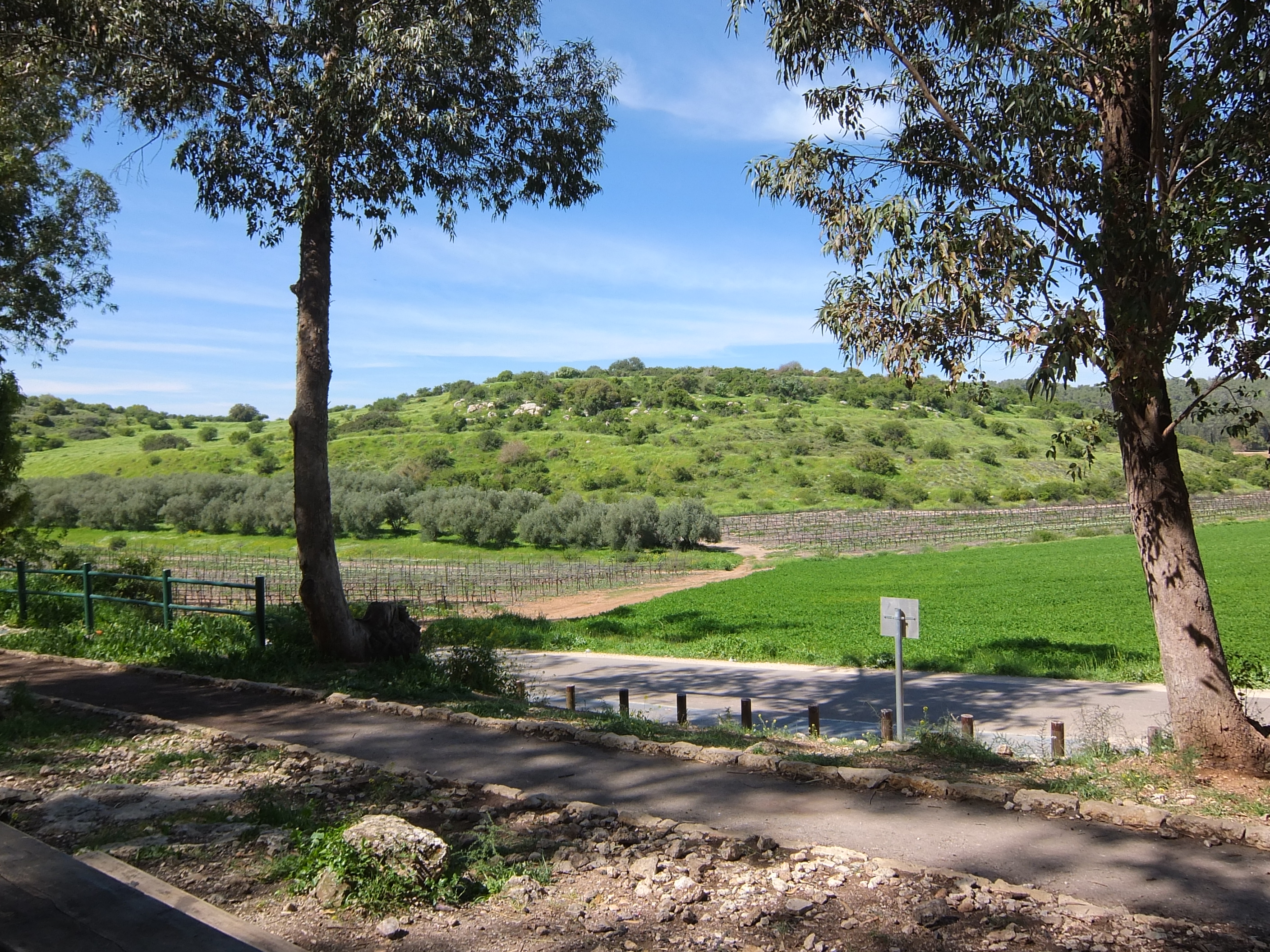
Ancient Judea centered upon Jerusalem and the hill country extending generally southward toward Hebron, with the Judean Desert descending toward the Dead Sea and Jordan Valley.

The precise boundaries varied substantially according to historical period. Administrative Judea under Rome was not necessarily identical with biblical tribal Judah or the earlier Kingdom of Judah.

AVWJ should therefore distinguish "Judea" from "Kingdom of Judah." They overlap geographically, but they represent different historical and administrative concepts.

Related Resources

Sources

Bible: Matthew 2:1-6, Matthew 3:1-6, Mark 1:5, Luke 1-3, John 3:22, John 4:3, Acts 1:8, Acts 8-12; Josephus, Jewish Antiquities and Jewish War; Roman administrative sources; historical and archaeological studies of Persian Yehud, Hasmonean Judea, Herodian Judea, and Roman Judaea