
Bible Location

Jericho

A Visit With Jesus

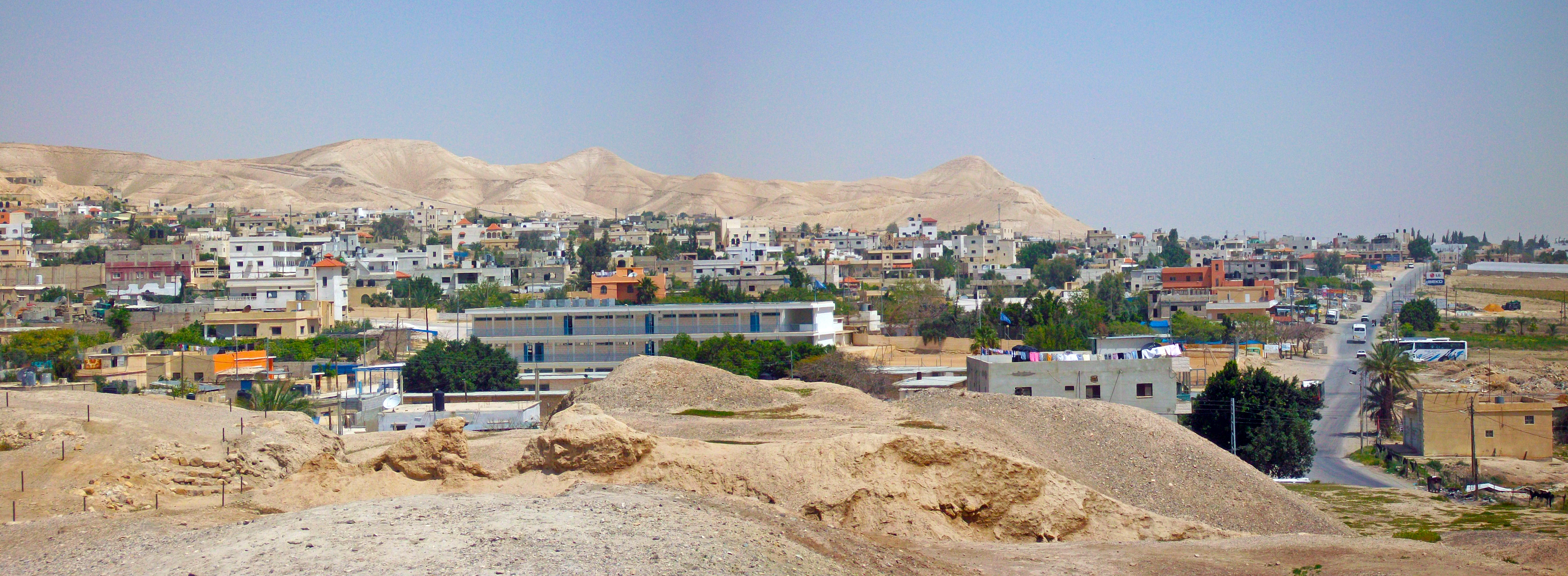
Jericho is an ancient oasis city in the Jordan Valley northwest of the Dead Sea. Its abundant spring water and warm climate supported settlement for thousands of years, making the site one of the oldest continuously or repeatedly inhabited places known in the ancient Near East.

Jericho plays major roles in both Testaments. Joshua describes Israel crossing the Jordan and capturing the fortified city, while the New Testament records Jesus passing through Jericho, healing the blind, and encountering Zacchaeus.

The principal mound of ancient Jericho is Tell es-Sultan. The New Testament city expanded farther south around major Herodian palace complexes.

Jericho

Biblical Significance

Jericho was the first major Canaanite city encountered by Israel after crossing the Jordan. Joshua 6 describes the Israelites marching around the city for seven days before its walls fell and the city was captured. Rahab and her household were spared because she had protected the Israelite spies.

Jericho subsequently appears in accounts involving the prophets Elijah and Elisha. Near Jericho, Elijah crossed the Jordan shortly before being taken away, and Elisha later healed the city's water.

In the New Testament, Jesus used the road from Jerusalem to Jericho as the setting for the parable of the Good Samaritan. Near Jericho He healed blind men, and Luke records His encounter with Zacchaeus, the chief tax collector who climbed a sycamore tree to see Him.

Historical Background

Tell es-Sultan contains an extraordinary archaeological sequence extending back to the Neolithic period. By the ninth to eighth millennium BC, the settlement possessed substantial architecture including a stone wall and monumental tower.

Jericho later developed into a fortified Bronze Age city. The interpretation and dating of destruction levels at the site in relation to the conquest account in Joshua have been debated extensively among archaeologists and biblical scholars.

During the Hasmonean and Herodian periods, the focus of elite settlement expanded southward. Herod the Great constructed elaborate winter palaces near the Wadi Qelt, taking advantage of the oasis climate and abundant water.

Modern Identification

Ancient Jericho is securely identified with Tell es-Sultan beside the spring of Ain es-Sultan, northwest of the center of modern Jericho.

The mound preserves settlement remains from many different periods and should not be treated as representing one single biblical city level.

The Jericho encountered by Jesus during the first century included development extending beyond the ancient mound, particularly toward the Hasmonean and Herodian palace complexes. Consequently, Old Testament and New Testament events associated with Jericho may involve somewhat different parts of the oasis.

Related Resources

Sources

Bible: Joshua 2-6, 1 Kings 16:34, 2 Kings 2:4-22, Luke 10:30-37, Luke 18:35-43, Luke 19:1-10, Matthew 20:29-34, Mark 10:46-52; archaeological excavations at Tell es-Sultan; UNESCO Ancient Jericho/Tell es-Sultan; archaeological studies of the Hasmonean and Herodian palaces at Jericho