
Bible Location

Jarmuth

Old Testament
Also known as: Jarmuth (Yarmut)
A Visit With Jesus

Jarmuth was an ancient Canaanite city in the Shephelah, the foothill region between the Judean highlands and the Mediterranean coastal plain. It appears prominently in Joshua as one of the cities whose kings joined a coalition against Gibeon and Israel.

After the conquest, Jarmuth was included among the towns allotted to the tribe of Judah. The name appears again after the Babylonian exile among towns inhabited by people of Judah.

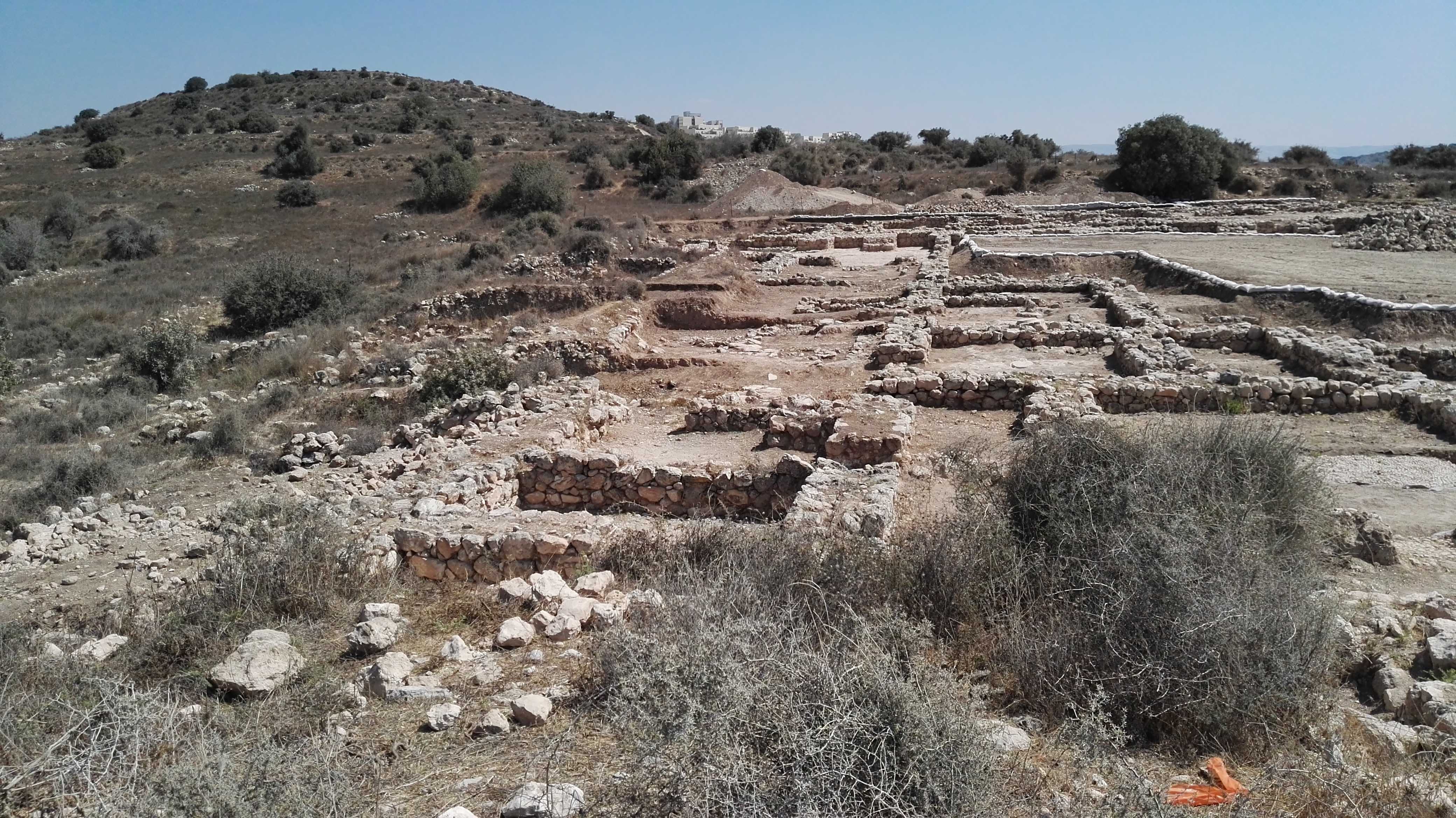
Biblical Jarmuth is securely identified with Tel Yarmuth, an extensive archaeological mound west of Jerusalem.

Jarmuth

Biblical Significance

Joshua 10 identifies Piram king of Jarmuth as one of five Amorite kings who joined the king of Jerusalem in attacking Gibeon after the Gibeonites made peace with Israel.

Joshua came to the aid of Gibeon, and the coalition was defeated. The five kings fled and hid in a cave at Makkedah, where they were captured and later executed.

Joshua 15:35 includes Jarmuth among the towns allotted to Judah in the Shephelah. Nehemiah 11:29 indicates that the settlement or its surrounding region was again occupied by Judeans following the exile.

Historical Background

Tel Yarmuth was a major fortified urban center during the Early Bronze Age, substantially earlier than the biblical monarchy. Archaeological excavations have uncovered massive fortifications, monumental architecture, residential areas, and evidence for complex urban organization.

The settlement history of the mound extended through multiple periods, although its size and importance changed considerably through time.

Its position in the Shephelah placed Jarmuth within a strategically important zone connecting the coastal plain with the Judean hill country.

Modern Identification

Biblical Jarmuth is very securely identified with Tel Yarmuth, also known as Khirbet Yarmuk, near modern Beit Shemesh.

The preservation of the ancient name, geographical correspondence with the biblical descriptions, and archaeological evidence strongly support the identification.

AVWJ can therefore present Tel Yarmuth confidently as the location of biblical Jarmuth while avoiding claims that particular excavated structures can be associated with the king or events described in Joshua.

Scripture References

Related Resources

Sources

Bible: Joshua 10:3-27, Joshua 12:11, Joshua 15:35, Nehemiah 11:29; archaeological excavations at Tel Yarmuth; historical and archaeological studies of the Shephelah and ancient Jarmuth