Bible Figure
Philip II of Macedon

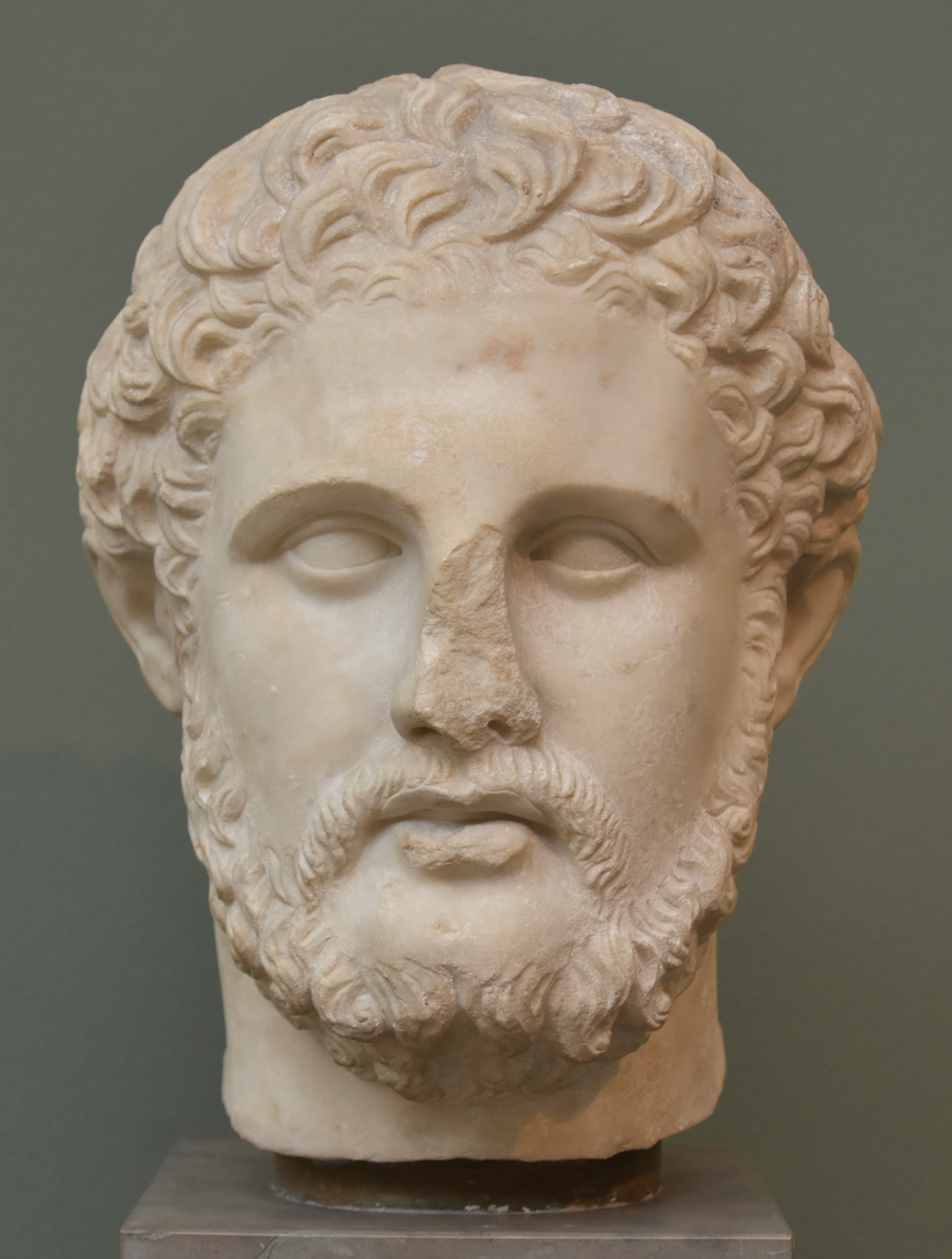
Philip II was king of Macedonia from 359 to 336 BC and the father of Alexander the Great. Through military reform, diplomacy, warfare, and political consolidation, Philip transformed Macedonia from a vulnerable kingdom into the dominant power of Greece. The army and political system he created became the foundation for Alexander's conquest of the Persian Empire.
Biography
Philip II came to power in 359 BC when Macedonia faced severe internal and external dangers. He proved an exceptionally capable organizer and ruler. Philip restructured the Macedonian army, developing the famous infantry phalanx armed with the long sarissa while coordinating infantry with elite Companion cavalry, engineers, and siege forces. These reforms helped him defeat neighboring rivals and steadily expand Macedonian authority. He also used marriages, alliances, bribery, and diplomacy alongside military force. His involvement in Greek affairs culminated in victory over the allied forces of Athens and Thebes at Chaeronea in 338 BC. Philip then organized most of the Greek states in the League of Corinth and prepared a major campaign against the Persian Empire. Before he could personally lead that invasion, he was assassinated at Aegae in 336 BC. His young son Alexander inherited not an unstable frontier kingdom but a disciplined army, a dominant position in Greece, substantial resources, and an already planned Persian expedition. Alexander used those advantages to create an empire extending deep into Asia.
Biblical Significance
Philip II does not belong to the biblical narrative itself, but his historical importance to the biblical world is substantial through the consequences of his reign. By creating the Macedonian military and political power inherited by Alexander, Philip helped make possible the conquests that ushered the Near East into the Hellenistic age. That age profoundly affected Judea, Jewish culture, the Greek translation of Scripture, and eventually the linguistic and political environment of the New Testament.