Bible Figure
Antiochus III the Great

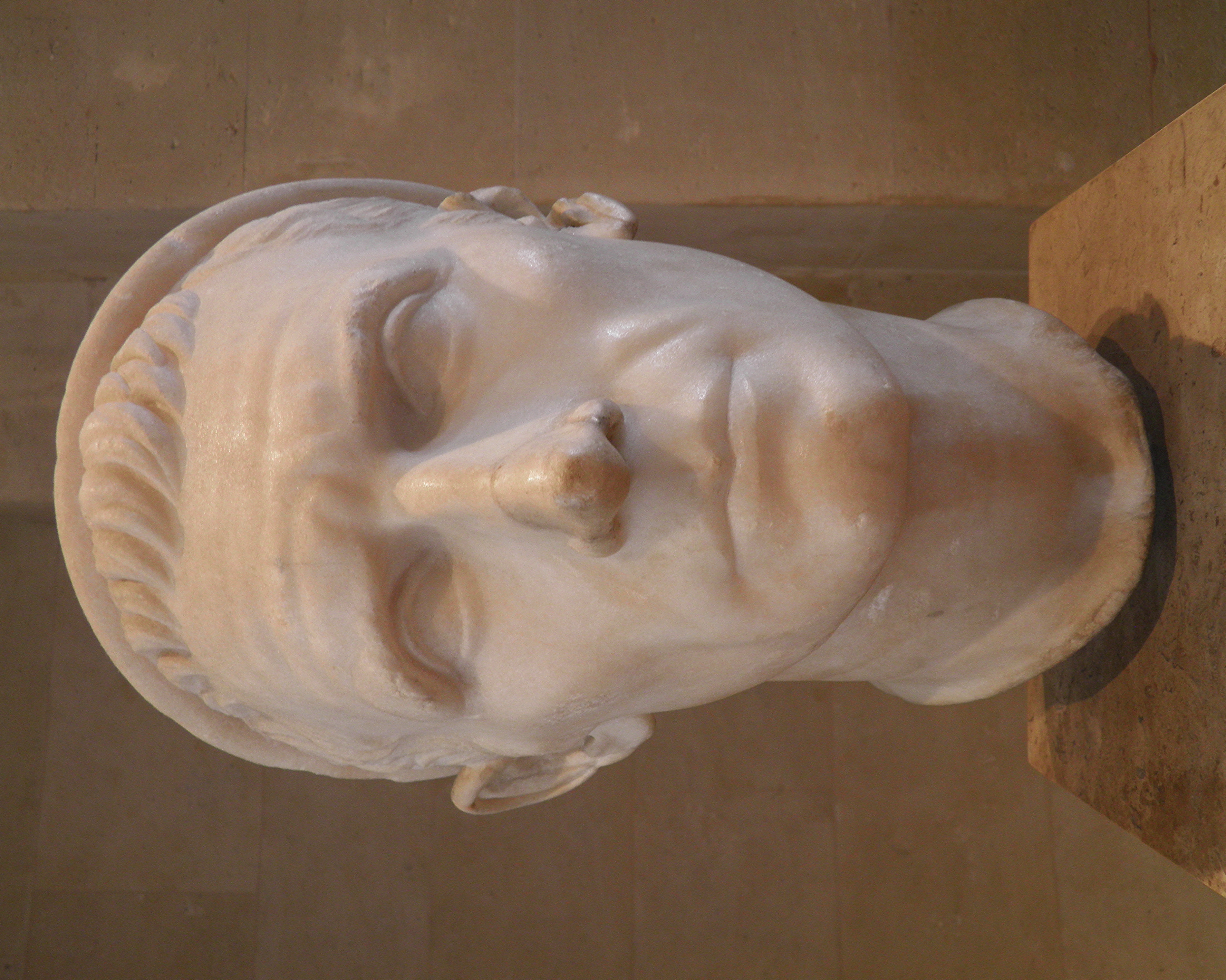
Antiochus III the Great was Seleucid king from 223 to 187 BC. Through extensive campaigns he restored much of the power of the Seleucid Empire and eventually defeated the Ptolemies for control of Coele-Syria, bringing Judea under Seleucid authority. His later war against Rome ended in major defeat and imposed heavy financial obligations on the Seleucid kingdom.
Biography
Antiochus III inherited a Seleucid realm weakened by internal rebellion and territorial losses. During a long reign he campaigned across the eastern provinces, reasserted authority over much of the empire, and earned the epithet 'the Great.' Of particular importance for Jewish history was his prolonged conflict with Ptolemaic Egypt over Coele-Syria and Palestine. After earlier setbacks, Antiochus defeated Ptolemaic forces at Panium around 200 BC, and Judea passed from Ptolemaic to Seleucid control. Jewish sources preserve a generally favorable memory of his initial policy toward Jerusalem, including recognition of traditional religious practices and privileges. Antiochus later became involved in western Asia Minor and Greece, bringing him into conflict with the expanding Roman Republic. Roman forces defeated him decisively at Magnesia in 190 BC. The subsequent Treaty of Apamea stripped the Seleucid kingdom of territory in Asia Minor, limited its military power, and imposed a very large indemnity. Antiochus died in 187 BC while attempting to obtain resources in the east. The financial and political pressures inherited by his successors contributed to the instability of the Seleucid state.
Biblical Significance
Antiochus III matters to biblical background because his victory over the Ptolemies transferred Judea into the Seleucid sphere. That political change set the stage for the later policies of Antiochus IV Epiphanes, the desecration of the Temple, and the Maccabean revolt. His conflict with Rome also foreshadowed the growing Roman influence that would eventually dominate the eastern Mediterranean and Judea.