Bible Figure
Moses
Abrahamic prophet said to have led the Israelites out of Egypt

Moses was the prophet and leader chosen by God to bring Israel out of slavery in Egypt and lead the people toward the Promised Land. Preserved from death as an infant and raised in Pharaoh's household, he later fled Egypt and lived in Midian. God called him from the burning bush and sent him back to confront Pharaoh. Through Moses, God brought the plagues upon Egypt, instituted the Passover, divided the Red Sea, gave Israel the Law at Sinai, and organized the covenant community. Moses led Israel for forty years in the wilderness but died before entering Canaan. Scripture remembers him as Israel's great lawgiver, prophet, and servant of God.
Biography
Moses was born in Egypt when Pharaoh had ordered the death of Hebrew male infants. His mother hid him and then placed him in a basket among the reeds of the Nile. Pharaoh's daughter discovered him and raised him as her son, while his own mother was providentially employed to nurse him.
As an adult Moses saw an Egyptian beating a Hebrew and killed the Egyptian. When the act became known, Moses fled to Midian. There he married Zipporah, daughter of Jethro, and worked as a shepherd. At Horeb, God appeared to him in the burning bush and commissioned him to return to Egypt and bring the Israelites out of bondage. Moses protested his inadequacy, but God promised His presence and appointed Aaron to assist him.
Moses and Aaron confronted Pharaoh, and Egypt experienced a series of devastating plagues. After the death of the firstborn and the institution of Passover, Pharaoh allowed Israel to leave. When the Egyptians pursued, God delivered Israel through the Red Sea.
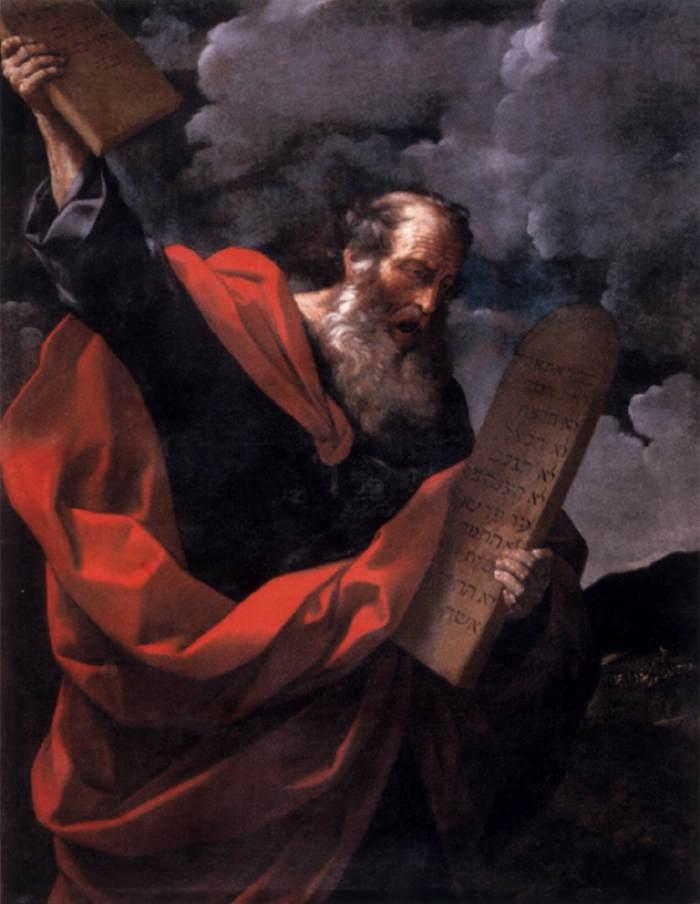
At Mount Sinai, Moses served as mediator of the covenant. He received God's commandments and instructions for Israel's worship and community life. When Israel worshiped the golden calf, Moses interceded for the people. He repeatedly stood between a rebellious nation and divine judgment.
Moses led Israel through forty years of wilderness wandering. He faced complaints, opposition, and rebellion while continuing to teach and govern the people. At Meribah, however, he failed to honor God as commanded, and God told him that he would not lead Israel into Canaan.
Near the end of his life Moses delivered the addresses preserved in Deuteronomy, appointed Joshua as his successor, viewed the Promised Land from Mount Nebo, and died in Moab. Deuteronomy closes by emphasizing his unique relationship with God and the mighty works performed through him.
Biblical Significance
Moses occupies a unique place in Scripture as prophet, deliverer, covenant mediator, and lawgiver. Through him God rescued Israel from Egypt, revealed His covenant law, established the Passover, and ordered Israel's worship and national life. The exodus under Moses became the great Old Testament pattern of divine redemption. Yet Moses also points beyond himself. He foretold that God would raise up a prophet like him, and the New Testament presents Jesus as the fulfillment of God's redemptive purposes in a way that surpasses Moses. Moses remains a model of faithful service and intercession, while his own failures also demonstrate that even Israel's greatest human leader needed God's grace.