Bible Figure
Adam and Eve

Adam and Eve are the first man and woman in Genesis and the parents of the human family. Created by God in His image and placed in Eden, they disobeyed God's command concerning the tree of the knowledge of good and evil, bringing sin, shame, exile, and death into human experience.
Biography
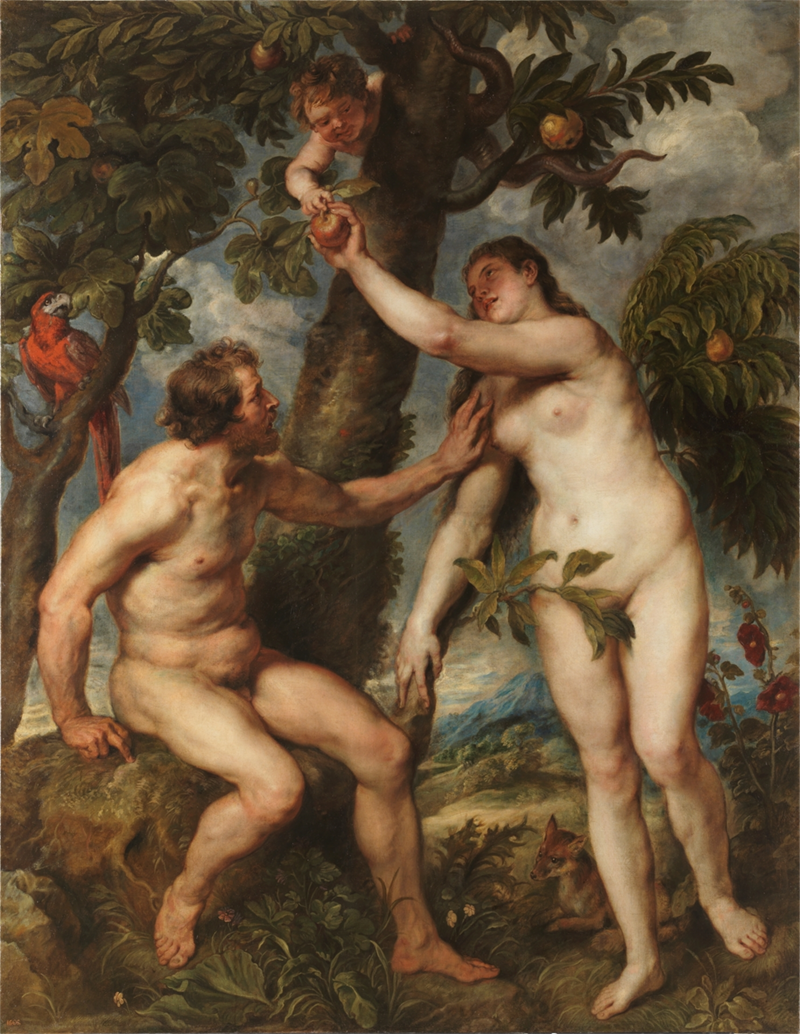
Genesis 1 presents humanity, male and female, as created in the image of God and commissioned to be fruitful, fill the earth, and exercise stewardship over creation. Genesis 2 gives a more focused account: God formed Adam from the dust, breathed life into him, placed him in the garden of Eden, and commanded him not to eat from the tree of the knowledge of good and evil. Seeing that it was not good for the man to be alone, God fashioned the woman from his side, establishing the foundational marriage union. Genesis 3 recounts the serpent's temptation. Eve ate the forbidden fruit and gave some to Adam, who also ate. Their eyes were opened to shame, and they hid from God. God pronounced judgments upon the serpent, woman, man, and ground, yet also clothed Adam and Eve before expelling them from Eden so they could not eat from the tree of life in their fallen condition. Eve later bore Cain, Abel, Seth, and other children. The New Testament repeatedly returns to Adam: Paul contrasts Adam's disobedience and death with Christ's obedience and life, while Jesus and the apostles appeal to the creation account in teaching about marriage and human origins.
Biblical Significance
Adam and Eve are foundational to the Bible's account of creation, marriage, sin, death, and redemption. Their fall explains humanity's alienation from God, while the New Testament's Adam-Christ comparison presents Jesus as the obedient head of a renewed humanity who brings righteousness and resurrection.