Bible Figure
Paul the Apostle

Paul the Apostle, formerly Saul of Tarsus, was a Jewish Pharisee who persecuted the church until the risen Jesus confronted him on the road to Damascus. Called to carry Christ's name especially among the Gentiles, Paul became the most extensively documented missionary of the apostolic age and the author of a major portion of the New Testament.
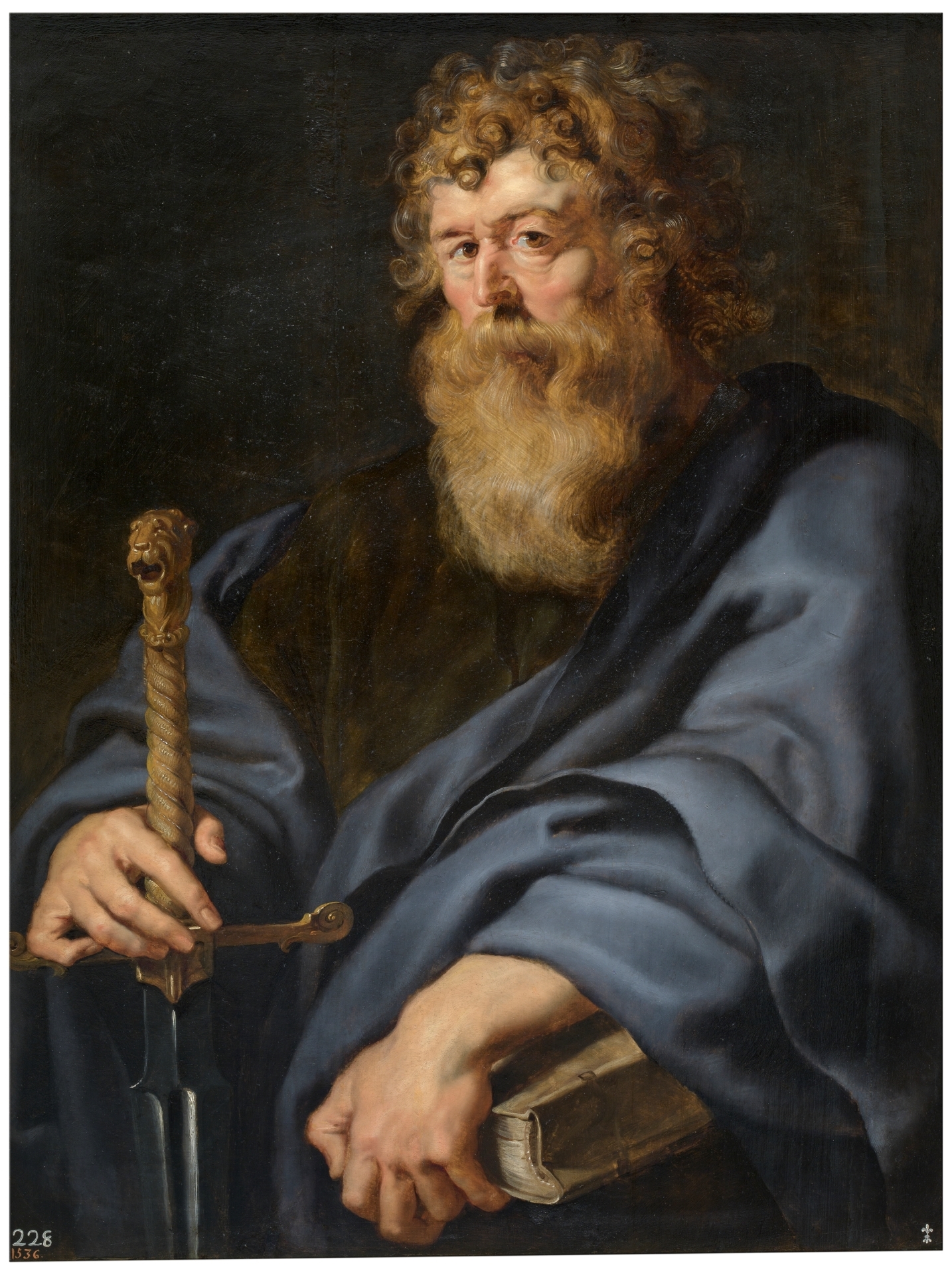
Biography
Paul was born a Jew in Tarsus of Cilicia and possessed Roman citizenship. He was trained rigorously in Jewish law and later said that he had studied under Gamaliel and advanced in Judaism beyond many contemporaries. As Saul, he approved Stephen's execution and aggressively persecuted followers of Jesus, entering houses and seeking authority to arrest believers beyond Jerusalem. While traveling to Damascus, he was overwhelmed by a heavenly light and confronted by Jesus: 'Saul, Saul, why are you persecuting me?' Blinded, he was led into Damascus, where the disciple Ananias restored his sight and received him as a brother. Saul was baptized and soon proclaimed Jesus as the Son of God and Messiah. After periods of early ministry and opposition, Barnabas brought him into the leadership of the church at Antioch. The Holy Spirit then set Barnabas and Saul apart for missionary work. Across repeated journeys Paul preached in Cyprus, Asia Minor, Macedonia, Greece, and major urban centers such as Philippi, Thessalonica, Corinth, and Ephesus. His practice often began in synagogues before extending to Gentiles. He endured beatings, imprisonment, riots, rejection, and intense controversy over whether Gentile believers needed to adopt Jewish covenant markers such as circumcision. Paul insisted that justification is through faith in Christ and that Gentiles are incorporated into God's people through Christ rather than through conversion to Judaism. Arrested in Jerusalem, he defended his testimony before Jewish and Roman authorities, appealed to Caesar as a Roman citizen, survived shipwreck, and eventually reached Rome under guard, where Acts closes with him proclaiming the kingdom of God and teaching about Jesus openly. Paul's letters reveal his pastoral work, theology, sufferings, relationships, and determination to preach Christ crucified and risen. The New Testament does not narrate his death; early Christian tradition places his martyrdom at Rome.
Biblical Significance
Paul is central to the New Testament's account of the Gospel's expansion from a predominantly Jewish setting into the Gentile world. His letters articulate major Christian teachings concerning sin, grace, justification, union with Christ, the church, the Holy Spirit, resurrection, Christian ethics, and the return of Christ. His own transformation from persecutor to apostle also stands as a powerful testimony to divine grace.