Bible Figure
Blastus
Biblical character (Acts of the Apostles)

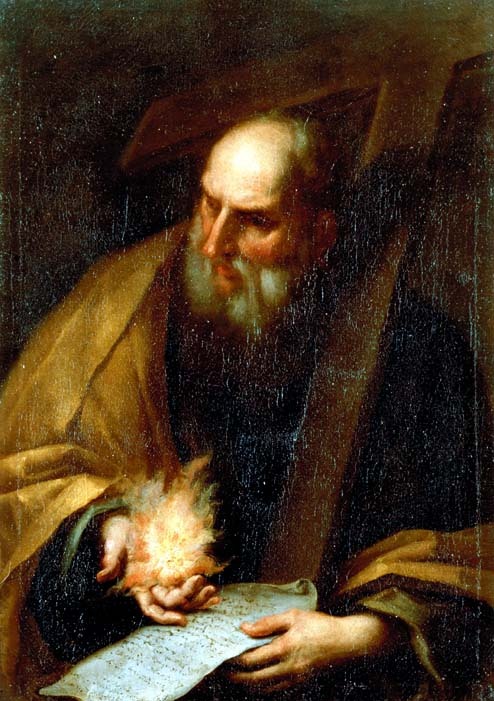
Blastus was the chamberlain or trusted royal official of Herod Agrippa I mentioned in Acts 12. Representatives from Tyre and Sidon won his support while seeking reconciliation with the king because their territory depended economically on the king's country.
Biography
Acts mentions Blastus only in connection with the final episode of Herod Agrippa I's life. Herod was angry with the people of Tyre and Sidon. Because their region depended on the king's territory for food, they sought peace and persuaded Blastus, described as the king's chamberlain or personal attendant, to support their appeal. On an appointed day Herod addressed the people, who acclaimed his voice as that of a god rather than a man. Herod failed to give glory to God and was struck down. Blastus' role is therefore political and intermediary rather than religious, and Scripture gives no further biography.
Biblical Significance
Blastus is a minor figure, but his appearance helps establish the courtly and economic setting of Herod Agrippa I's death. The larger narrative contrasts human royal influence and flattery with God's sovereign judgment.