Bible Figure
Barnabas

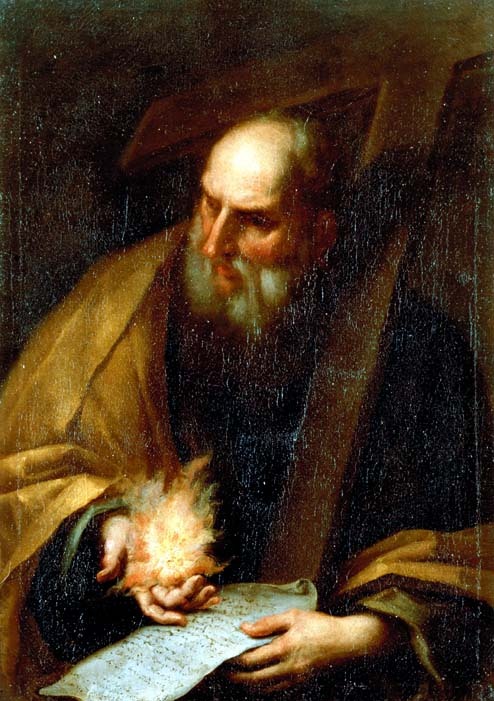
Barnabas was an influential leader of the early church, a Levite from Cyprus whose given name was Joseph. The apostles called him Barnabas, meaning 'son of encouragement.' He supported the newly converted Saul, helped lead the church at Antioch, accompanied Paul on the first missionary journey, and later continued ministry with John Mark.
Biography
Barnabas first appears in Acts 4 as Joseph, a Levite from Cyprus, who sold a field and laid the proceeds at the apostles' feet. His generosity fits the name the apostles gave him, Barnabas. When Saul came to Jerusalem after his conversion and other disciples feared him, Barnabas took him to the apostles and vouched for the reality of his encounter with Christ and bold preaching. Later the Jerusalem church sent Barnabas to investigate the growing Gentile work at Antioch. Luke describes him as a good man, full of the Holy Spirit and faith. Seeing God's grace, Barnabas rejoiced, then traveled to Tarsus to find Saul and brought him to Antioch, where they taught together for a year. The Holy Spirit subsequently set Barnabas and Saul apart for missionary work. They traveled through Cyprus and Asia Minor, preaching in synagogues and to Gentiles. Barnabas participated in the Jerusalem discussions concerning Gentile believers. Later he and Paul disagreed sharply over whether to take John Mark on another journey. Barnabas wanted to give Mark another opportunity; Paul did not. They separated, with Barnabas taking Mark to Cyprus. Paul's later letters nevertheless speak respectfully of Barnabas, suggesting that the disagreement did not erase their shared Christian service.
Biblical Significance
Barnabas embodies encouragement expressed through concrete action. He used resources generously, defended Saul when others were afraid, recognized God's work among Gentiles, recruited another leader rather than protecting his own prominence, and gave John Mark a second opportunity after failure. His ministry was crucial to both Paul's early acceptance and the development of the Antioch mission.