Bible Figure
Matthew the Apostle
Christian evangelist and apostle (10-74)

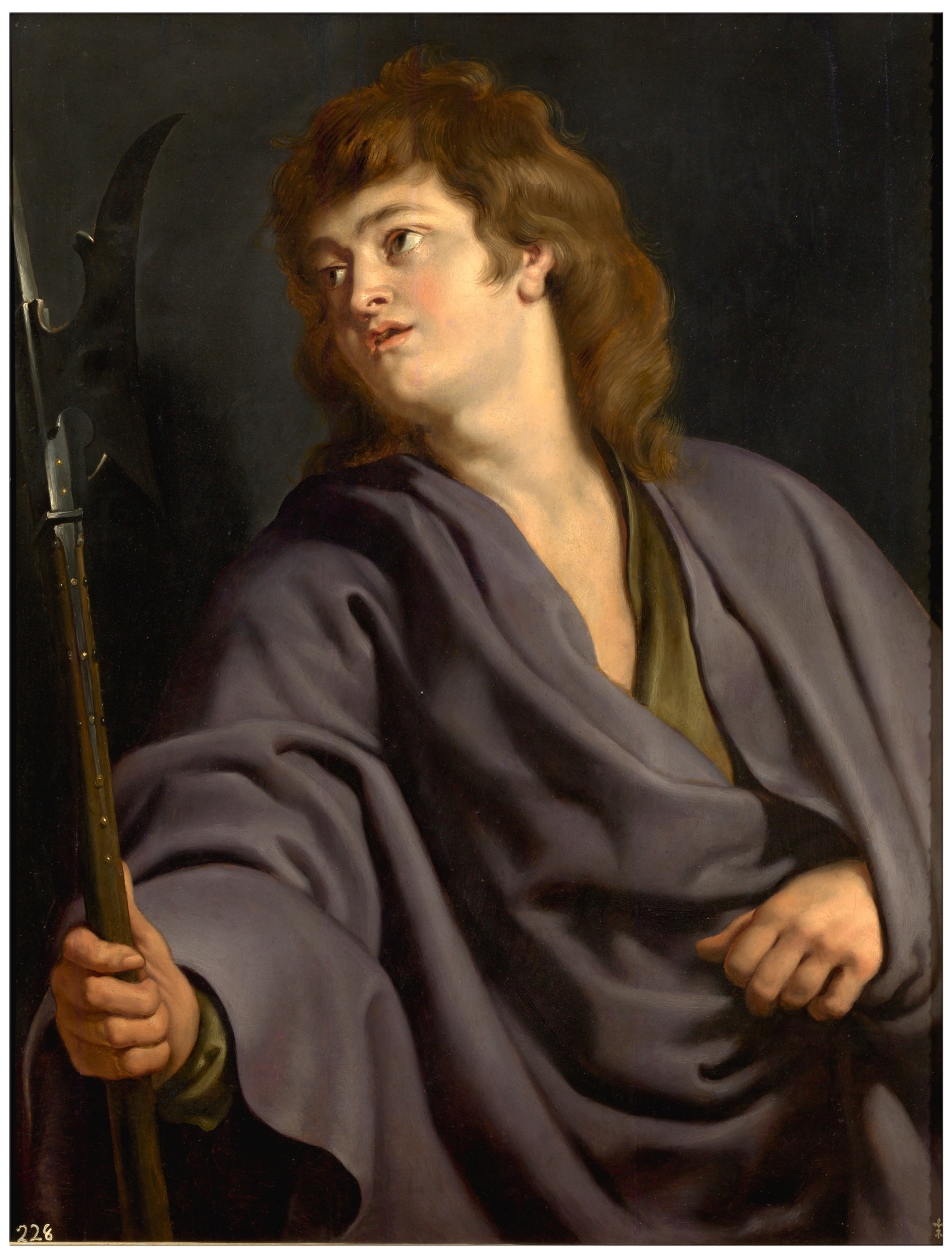
Matthew was a tax collector called by Jesus to become a disciple and one of the Twelve apostles. Matthew's Gospel names him as the man sitting at the tax booth who rose and followed Jesus. He is commonly identified with Levi in Mark and Luke, whose call is described in closely parallel terms. Christian tradition also identifies Matthew as the author of the Gospel bearing his name.
Biography
Matthew appears dramatically when Jesus encounters him at a tax office and commands, 'Follow me.' He rises and follows. Matthew 10 later lists him among the Twelve and uniquely calls him 'Matthew the tax collector,' preserving the socially disfavored occupation from which Jesus called him. Mark and Luke tell the same kind of call story about a tax collector named Levi, followed by a banquet at which Jesus eats with tax collectors and sinners. Because the settings and sequence are so similar, Matthew and Levi have traditionally been identified, although Mark calls Levi a son of Alphaeus and the New Testament never explicitly says, 'Levi was Matthew.' Jesus' fellowship with tax collectors provoked criticism from religious leaders, to which He answered that the sick need a physician and that He came to call sinners. Matthew remains with the apostolic group through the Gospel period and is listed among the apostles in Acts after the ascension. The Gospel of Matthew is formally anonymous within its text, but early Christian tradition consistently associates it with the apostle Matthew. The exact literary history of the Gospel should be distinguished from the secure biblical facts about the apostle.
Biblical Significance
Matthew's calling powerfully illustrates the reach of Jesus' grace. A man associated with a despised revenue system becomes one of the Twelve and a foundational witness to Christ. The tradition connecting him with the First Gospel further associates Matthew with a Gospel especially concerned with Jesus as the fulfillment of Israel's Scriptures and the promised Messiah.